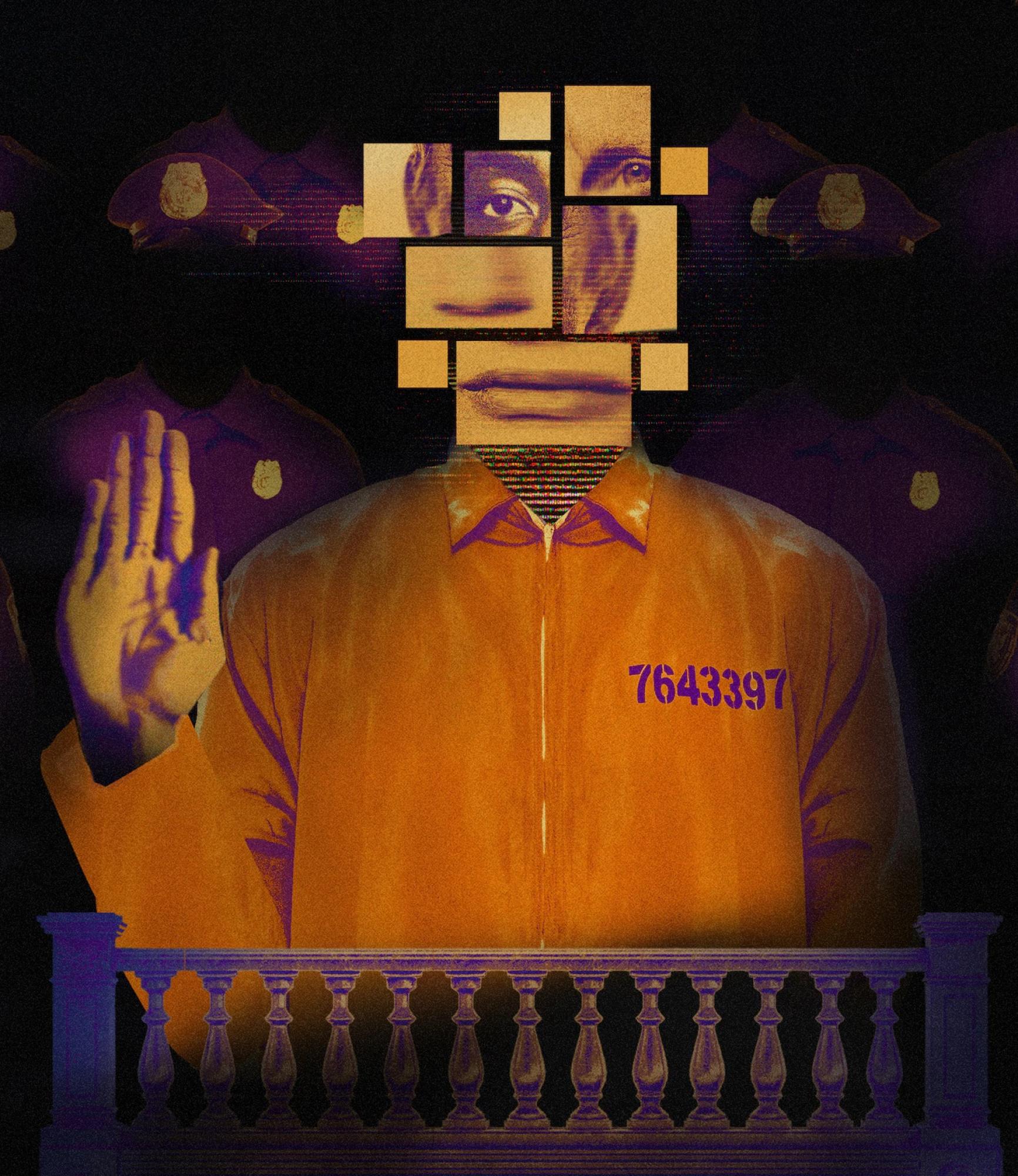
Police departments in 15 states provided The Post with rarely seen records documenting their use of facial recognition in more than 1,000 criminal investigations over the past four years. According to the arrest reports in those cases and interviews with people who were arrested, authorities routinely failed to inform defendants about their use of the software denying them the opportunity to contest the results of an emerging technology that is prone to error. Officers often obscured their reliance on the software in public-facing reports, saying that they identified suspects "through investigative means" or that a human source such as a witness or police officer made the initial identification. Defense lawyers and civil rights groups argue that people have a right to know about any software that identifies them as part of a criminal investigation, especially a technology that has led to false arrests. The reliability of the tool has been successfully challenged in a handful of recent court cases around the country, leading some defense lawyers to posit that police and prosecutors are intentionally trying to shield the technology from court scrutiny. Misidentification by this type of software played a role in the wrongful arrests of at least seven innocent Americans, six of whom were Black. Charges were later dismissed against all of them. Federal testing of top facial recognition software has found the programs are more likely to misidentify people of color.
Latest
Latest News
Each news summary is created according to strict standards. Here's how we do it.
Each summary is created using a consistent editorial procedure. The target length is approximately 16 lines of 11-point Arial text in a 650-pixel-wide column. Up to 25% of a summary may be set in bold to emphasize the most important ideas. Summaries are composed of verbatim excerpts presented in the same sequence as they appear in the original news source, with very minor editorial additions. Where material has been omitted between excerpts, the omission is indicated with ellipses (...). Any words added by an editor for clarity or context appear in [brackets]. Our original news editor was Fred Burks. Tod Fletcher edited most summaries from 2007 through 2014, and Mark Bailey has served as news editor since 2014.