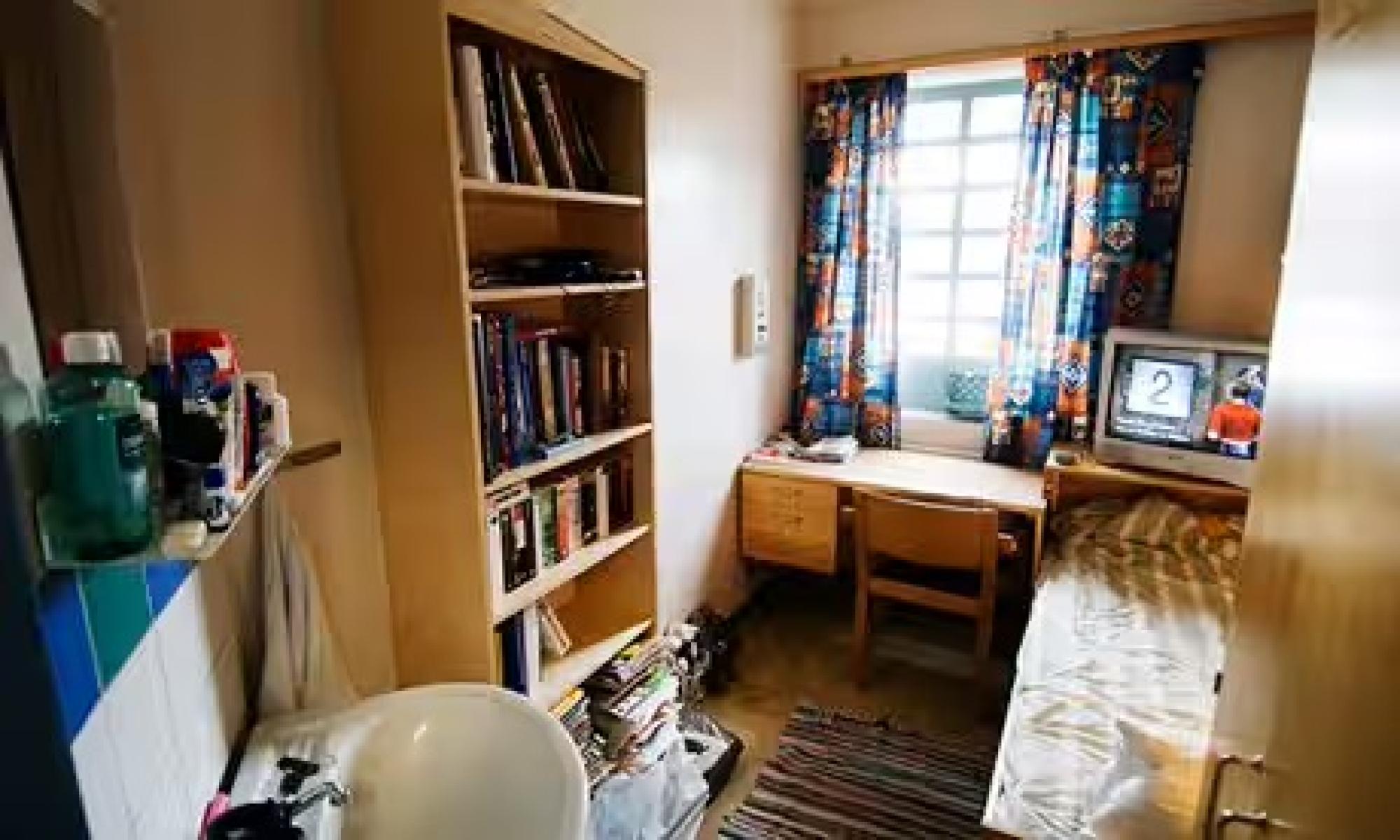
Swedish prisons have long had a reputation around the world as being liberal and progressive. The head of Sweden's prison and probation service, Nils Oberg, announced in November that four Swedish prisons are to be closed due to an out of the ordinary" decline in prisoner numbers. Although there has been no fall in crime rates, between 2011 and 2012 there was a 6% drop in Sweden's prisoner population, now a little over 4,500. A similar decrease is expected this year and the next. The Swedes [have] managed to maintain a broadly humane approach to sentencing, even of the most serious offenders: jail terms rarely exceed 10 years; those who receive life imprisonment can still apply to the courts after a decade to have the sentence commuted to a fixed term, usually in the region of 18 to 25 years. Sweden was the first country in Europe to introduce the electronic tagging of convicted criminals and continues to strive to minimise short-term prison sentences wherever possible by using community-based measures proven to be more effective at reducing reoffending. The overall reoffending rate in Sweden stands at between 30 and 40% over three years around half that in the UK. One likely factor that has kept reoffending down and the rate of incarceration in Sweden below 70 per 100,000 head of population less than half the figure for England and Wales is that the age of criminal responsibility is set at 15. Unlike the UK, where a life sentence can be handed down to a 10-year-old, in Sweden no young person under the age of 21 can be sentenced to life and every effort is made to ensure that as few juvenile offenders as possible end up in prison.
Latest
Latest News
Each news summary is created according to strict standards. Here's how we do it.
Each summary is created using a consistent editorial procedure. The target length is approximately 16 lines of 11-point Arial text in a 650-pixel-wide column. Up to 25% of a summary may be set in bold to emphasize the most important ideas. Summaries are composed of verbatim excerpts presented in the same sequence as they appear in the original news source, with very minor editorial additions. Where material has been omitted between excerpts, the omission is indicated with ellipses (...). Any words added by an editor for clarity or context appear in [brackets]. Our original news editor was Fred Burks. Tod Fletcher edited most summaries from 2007 through 2014, and Mark Bailey has served as news editor since 2014.