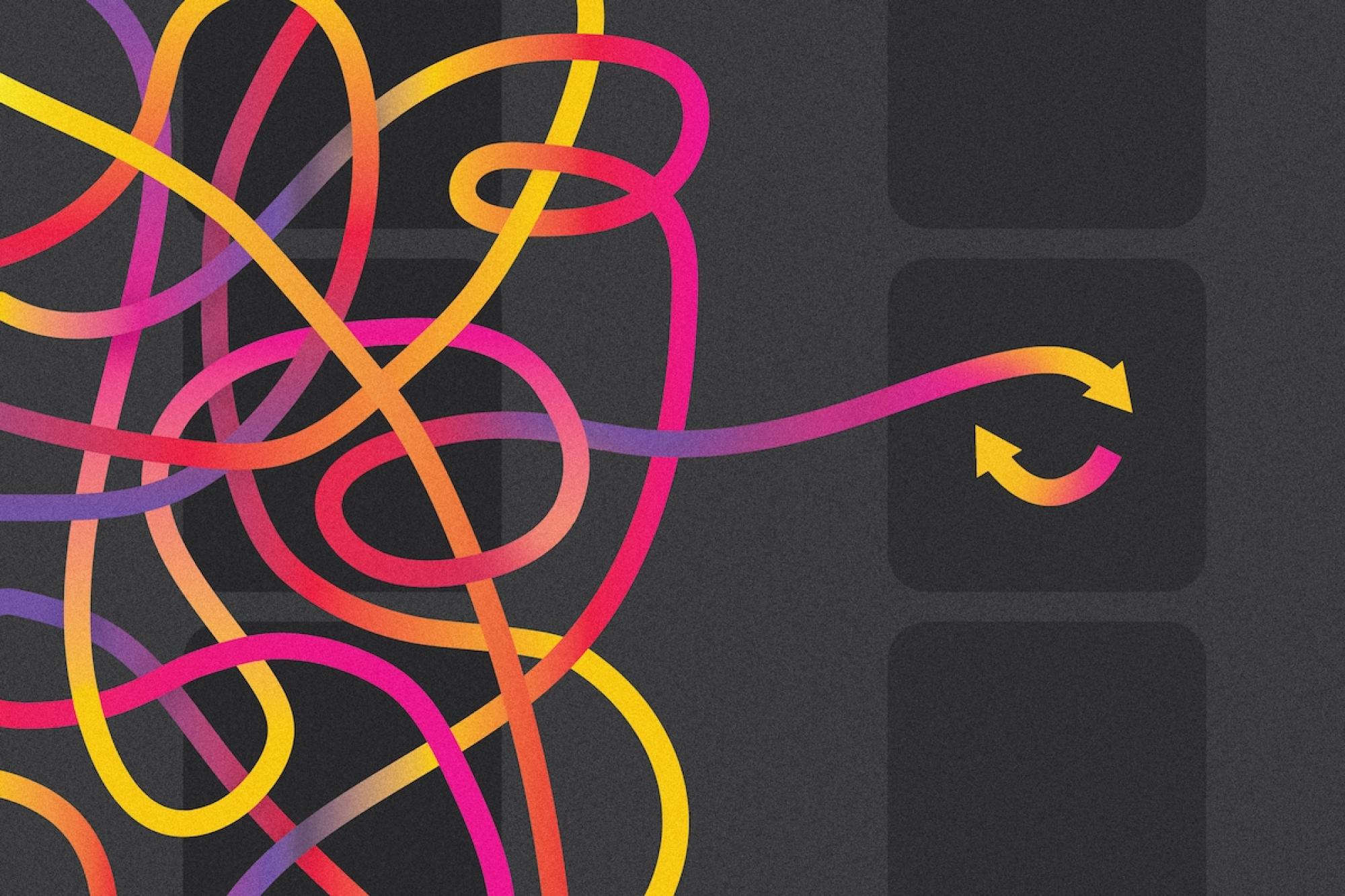
Instagram has released a long-promised "reset" button to U.S. users that clears the algorithms it uses to recommend you photos and videos. TikTok offers a reset button, too. And with a little bit more effort, you can also force YouTube to start fresh with how it recommends what videos to play next. It means you now have the power to say goodbye to endless recycled dance moves, polarizing Trump posts, extreme fitness challenges, dramatic pet voice-overs, fruit-cutting tutorials, face-altering filters or whatever other else has taken over your feed like a zombie. I know some people love what their apps show them. But the reality is, none of us are really in charge of our social media experience anymore. Instead of just friends, family and the people you choose to follow, nowadays your feed or For You Page is filled with recommended content you never asked for, selected by artificial-intelligence algorithms. Their goal is to keep you hooked, often by showing you things you find outrageous or titillating " not joyful or calming. And we know from Meta whistleblower Frances Haugen and others that outrage algorithms can take a particular toll on young people. That's one reason they're offering a reset now: because they're under pressure to give teens and families more control. So how does the algorithm go awry? It tries to get to know you by tracking every little thing you do. They're even analyzing your "dwell time," when you unconsciously scroll more slowly.
Latest
Latest News
Each news summary is created according to strict standards. Here's how we do it.
Each summary is created using a consistent editorial procedure. The target length is approximately 16 lines of 11-point Arial text in a 650-pixel-wide column. Up to 25% of a summary may be set in bold to emphasize the most important ideas. Summaries are composed of verbatim excerpts presented in the same sequence as they appear in the original news source, with very minor editorial additions. Where material has been omitted between excerpts, the omission is indicated with ellipses (...). Any words added by an editor for clarity or context appear in [brackets]. Our original news editor was Fred Burks. Tod Fletcher edited most summaries from 2007 through 2014, and Mark Bailey has served as news editor since 2014.