

































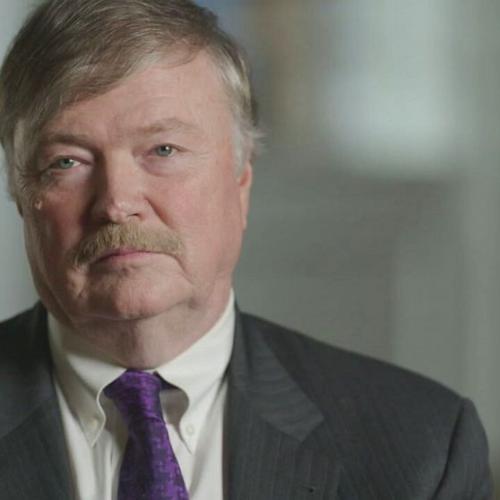





Sibel Edmonds
Firing by FBI Draws
Rebuke from Inspector General - New York Times
Dear friends,
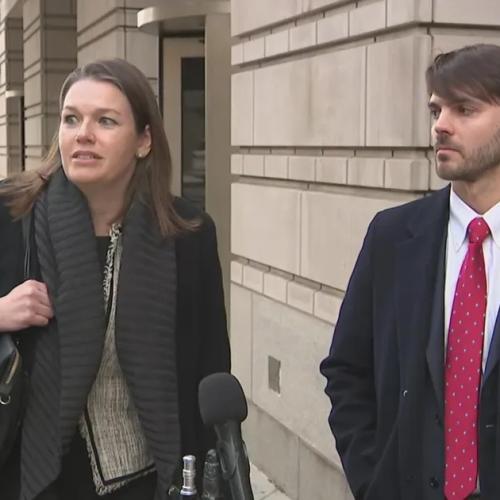
Sibel Edmonds is one of many people who have either been fired or forced out of their jobs for exposing information around a major 9/11 cover-up. Working as a translator for the FBI, she uncovered information which she claims will bring down some very high level people in government once it is finally released. Attorney General John Ashcroft, invoking a rarely used power, declared her case to be a matter of "state secret" privilege, and the Justice Department retroactively classified a 2002 Congressional briefing about it. The below New York Times article raises some questions, but only skims the surface of all of the severe manipulations in this important case.
As a fellow linguist in the US government, I have been in contact with Ms. Edmonds for over a year. I strongly support her compelling case, as do a growing number of influential people, including several prominent congressman. An excellent interview in the little known Baltimore Chronicle (available at https://www.WantToKnow.info/911whistlebloweredmonds ) is one of the very few articles to really cover her crucial story adequately. A revealing letter she wrote to Ashcroft at https://www.WantToKnow.info/sibeledmonds fills in other important details. Why won't the major media report this brave whistleblower's devastating allegations?
For more on the vitally important 9/11 cover-up, see our summary at https://www.WantToKnow.info/911/9-11-facts which provides easily verifiable facts from major media sources. By sharing the important information with your friends and colleagues, and by presenting this as an opportunity to work together for the good of all, I know that we can and will build a brighter future together. Thanks for caring.
With very best wishes,
Fred Burks for WantToKnow.info
Jan. 31, 2005
Above link to New York Times website requires $2.95 to view article
Inspector General
Rebukes F.B.I. over
Espionage Case and
Firing of Whistle-Blower
By Eric Lichtblau
The New York Times
Saturday 15 January 2005
Washington - The F.B.I. has failed to aggressively investigate accusations of espionage against a translator at the bureau and fired the translator's co-worker in large part for bringing the accusations, the Justice Department's inspector general concluded on Friday.
In a long-awaited report that the Justice Department sought for months to keep classified, the inspector general issued a sharp rebuke to the F.B.I. over its handling of claims of espionage and ineptitude made by Sibel Edmonds, a bureau translator who was fired in 2002 after superiors deemed her conduct "disruptive."
Ms. Edmonds, who translated material in Turkish, Persian and Azerbaijani, had complained about slipshod translations and management problems in the bureau's translation section and raised accusations of possible espionage against a fellow linguist.
The report from the office of Glenn A. Fine, the Justice Department's inspector general, reached no conclusions about whether Ms. Edmonds's co-worker had actually engaged in espionage, and it did not give details about the espionage accusations because they remain classified. But officials have said Ms. Edmonds said the co-worker, a fellow Turkish linguist, had blocked the translation of material involving foreign acquaintances of hers who had come under suspicion.
In general, Mr. Fine's investigation found that many of Ms. Edmonds's accusations "were supported, that the F.B.I. did not take them seriously enough and that her allegations were, in fact, the most significant factor in the F.B.I.'s decision to terminate her services."
Ms. Edmonds's case has become a cause célèbre for critics who accused the bureau of retaliating against her and other whistle-blowers who have sought to expose management problems related to the campaign against terrorism.
The American Civil Liberties Union joined her cause earlier this week, asking an appellate court to reinstate a whistle-blower lawsuit she brought against the government. The suit was dismissed last year after Attorney General John Ashcroft, invoking a rarely used power, declared her case to be a matter of "state secret" privilege, and the Justice Department retroactively classified a 2002 Congressional briefing about it.
Responding to the investigation's calls for improvements in the management of translation services, the F.B.I. said Friday that it had taken steps to reorganize the operation and instituted "competency models" for hiring and training translators. A broader review by the inspector general released in September had found systematic problems in the F.B.I.'s translation capabilities and large backlogs in its translation of terrorism-related material.
The F.B.I. also said Friday that it was continuing to investigate Ms. Edmonds's claims and restated its commitment to ensuring that whistle-blowers "who raise good faith concerns" do not face retaliation.
Ms. Edmonds, for her part, said she viewed the inspector general's report as "an absolute vindication."
After all the delays in getting this story out, I wasn't expecting a lot," she said in an interview. "This report is certainly more than I expected, and I'm actually pretty pleased."
Senators Patrick J. Leahy of Vermont, a Democrat, and Charles E. Grassley of Iowa, a Republican, who have been two of the F.B.I.'s toughest critics, said the report underscored their broader concerns about the bureau's treatment of dissenters, particularly on critical matters involving terrorism and espionage.
"This report confirms that the F.B.I. failed to treat this case as seriously as the situation demanded," Mr. Leahy said. "It is unacceptable, and it deeply concerns us, that in the wake of the Robert Hanssen spy case, and in the months following Sept. 11, the F.B.I. failed to vigorously investigate these grave allegations."
- Inform your media and political representatives of this vital information on 9/11. To contact those close to you, click here. Urge them to call for the release of classified documents and videos and to press for a new, impartial investigation.
- Explore the wealth of reliable, verifiable information on 9/11, including several excellent documentaries, in our 9/11 Information Center available here.
- Learn more about 9/11 and the secret societies likely involved in this powerful lesson from the free Insight Course.
- Explore inspiring ideas on building a brighter future by reading this short essay.
- Spread this news to your friends and colleagues, and recommend this article on key social networking websites so that we can fill the role at which the major media is sadly failing. Together, we can make a difference.
See our exceptional archive of revealing news articles.
Please support this important work: Donate here.
www.momentoflove.org - Every person in the world has a heart
www.personalgrowthcourses.net - Dynamic online courses powerfully expand your horizons
www.WantToKnow.info - Reliable, verifiable information on major cover-ups
www.weboflove.org - Strengthening the Web of Love that interconnects us all
Subscribe/Unsubscribe/Change email address: The WantToKnow.info email list (two messages a week)