































































Corruption in Science News Articles
Below are key excerpts of revealing news articles on science corruption from reliable news media sources. If any link fails to function, a paywall blocks full access, or the article is no longer available, try these digital tools.

If you follow the news about health research, you risk whiplash. First garlic lowers bad cholesterol, thenafter more studyit doesnt. Hormone replacement reduces the risk of heart disease in postmenopausal women, until a huge study finds that it doesnt. But what if wrong answers arent the exception but the rule? More and more scholars who scrutinize health research are now making that claim. It isnt just an individual study here and there thats flawed, they charge. Instead, the very framework of medical investigation may be off-kilter, leading time and again to findings that are at best unproved and at worst dangerously wrong. The result is a system that leads patients and physicians astrayspurring often costly regimens that wont help and may even harm you. Even a cursory glance at medical journals shows that once heralded studies keep falling by the wayside. A major study concluded theres no good evidence that statins (drugs like Lipitor and Crestor) help people with no history of heart disease. The study ... was based on an evaluation of 14 individual trials with 34,272 patients. Cost of statins: more than $20 billion per year. Positive drug trials, which find that a treatment is effective, and negative trials, in which a drug fails, take the same amount of time to conduct. But negative trials took an extra two to four years to be published. With billions of dollars on the line, companies are loath to declare a new drug ineffective. As a result of the lag in publishing negative studies, patients receive a treatment that is actually ineffective. From clinical trials of new drugs to cutting-edge genetics, biomedical research is riddled with incorrect findings.
Note: For the good of your health, the entire article at the link above is well worth reading. For lots more on how the profit-oriented health profession puts public health at risk, click here and here.
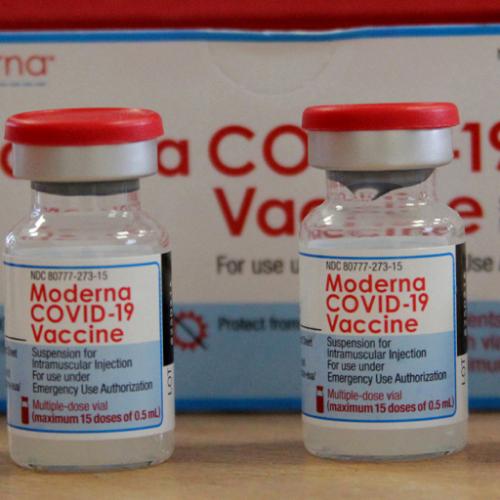
They're some of the most trusted voices in the defense of vaccine safety: the American Academy of Pediatrics, Every Child By Two, and pediatrician Dr. Paul Offit. But CBS News has found these three have something more in common - strong financial ties to the industry whose products they promote and defend. The vaccine industry gives millions to the Academy of Pediatrics for conferences, grants, medical education classes and even helped build their headquarters. The totals are kept secret, but public documents reveal bits and pieces. A $342,000 payment from Wyeth, maker of the pneumococcal vaccine - which makes $2 billion a year in sales. A $433,000 contribution from Merck, the same year the academy endorsed Merck's HPV vaccine - which made $1.5 billion a year in sales. Every Child By Two, a group that promotes early immunization for all children, admits the group takes money from the vaccine industry, too - but wouldn't tell us how much. Then there's Paul Offit, perhaps the most widely-quoted defender of vaccine safety. He's gone so far as to say babies can tolerate "10,000 vaccines at once." In fact, he's a vaccine industry insider. Offit holds a $1.5 million dollar research chair at Children's Hospital, funded by Merck. He holds the patent on an anti-diarrhea vaccine he developed with Merck. And future royalties for the vaccine were just sold for $182 million cash.
Note: An excellent report endorsed by many respected doctors and nurses reveals the serious risks of vaccines. Read an incisive list of questions regarding vaccines that are rarely raised by the media. The report accessible on this US government webpage states, "Since 1988, over 24,200 petitions have been filed with the VICP [Vaccine Injury Compensation Program] ... with 8,162 of those determined to be compensable. Total compensation paid over the life of the program is approximately $4.5 billion." Why isn't that huge price tag for vaccine injuries being talked about?
Researchers have long known that any single antidepressant drug is little more effective than a placebo in the majority of trials, shown to be less effective than a placebo in some studies, and generally found to be “clinically negligible” with respect to depression remission, while often resulting in severe adverse effects; for example, resulting in a higher percentage of sexual dysfunction than depression remission. However, for nearly twenty years, psychiatry and Big Pharma have told us that while one antidepressant may not work for the majority of patients, in the “real world,” doctors provide patients who have been failed by their initial antidepressant with another antidepressant, and if that fails, still another; and that this real-world treatment is successful for nearly 70% of patients. The problem with this “nearly 70%” story is that the research that has been used to justify it, a 2006 report on the results of the Sequenced Treatment Alternatives to Relieve Depression (STAR*D), has long been disputed by researchers. Moreover, a recent reanalysis of previously undisclosed data reveals that STAR*D, owing to scientific misconduct that dramatically inflated remission rates, may go down in US medical history as one of its most harmful scandals. Even [STAR*D's] fabricated 67% depression remission rate should never have been celebrated. 85% of depressed individuals who go without somatic treatments spontaneously recover within 1 year.
Note: Read more important news articles we've summarized on medical and scientific corruption regarding antidepressants. For more along these lines, see concise summaries of deeply revealing news articles on Big Pharma corruption from reliable major media sources.
Last week, the report Merchants of Poison: How Monsanto Sold the World on a Toxic Pesticide was published by authors Stacy Malkan, Kendra Klein and Anna Lappé. [In 2012], pesticide and processed food companies spent $45 million to defeat a ballot initiative to label GMOs (genetically modified foods) in California. This campaign was led by Monsanto, one of the planet’s largest producers of GMOs. Monsanto created a PR storm through the mouths of so-called third-party “experts” from across the fields of academia and science. It was later revealed that these allegedly neutral voices were closely tied to Monsanto. The World Health Organization (WHO) in 2015 concluded that glyphosate—the chemical contained within herbicides that most GMO crops have been engineered to resist—is likely a human carcinogen. Thousands sued Monsanto claiming that their exposure of Monsanto’s glyphosate-based product, Roundup, caused their cancers. Monsanto employees ghostwrote scientific papers on the safety of glyphosate and strategized how to discredit journalists and scientists raising concerns about the pesticide. Major universities, including University of California Davis and University of Florida, played a significant role in legitimizing and amplifying pesticide industry product-defense efforts. The Bill & Melinda Gates Foundation, Cornell University, and the American Academy for the Advancement of Science (AAAS) ... also provided essential aid and cover for pesticide industry propaganda.
Note: A 2019 study found that glyphosate increases cancer risk by 41%. For more along these lines, see concise summaries of deeply revealing news articles on GMOs and science corruption from reliable major media sources.
Over the past three years, more than 60 institutions, including several of the world's most prestigious research centers, have been criticized by the U.S. government for failing to protect human subjects adequately. As recently as 1974 individual scientists and their financial backers could decide for themselves what constituted ethical research. Most of the time their judgment was sound, but there were plenty of appalling exceptions. In the 1950s Army doctors gave LSD to soldiers without telling them what it was. In 1963 researchers injected prisoners and terminally ill patients with live cancer cells to test their immune responses; they were told only that it was a "skin test." In the 1950s mentally retarded children at Willowbrook, a state institution in New York, were deliberately infected with hepatitis so that scientists could work on an experimental vaccine. And in perhaps the most infamous case on record, doctors at Georgia's Tuskegee Institute, starting in the 1930s, deliberately withheld treatment from syphilis-infected African-American men for 40 years to monitor the course of the disease. Financial conflicts of interest can extend not only to the institutions but also to the researchers themselves. Jesse Gelsinger's death in the University of Pennsylvania's gene-therapy trial in 1999 seemed especially scandalous [because] James Wilson, the principal investigator in the study, held a 30% equity stake in Genovo, which owned the rights to license the drug Wilson was studying; the university owned 3.2% of the company. When Targeted Genetics Corp. acquired Genovo, Wilson reportedly earned $13.5 million and Penn $1.4 million.
Note: For a powerful, reliable list of astounding incidents in which government and medical professionals used humans as guinea pigs over the past hundred years and continuing to the present, click here. Links are provided to reliable sources for verification. For key facts on government mind control programs, click here.
A recent Cochrane Evidence Synthesis and Methods article examines internal pharma industry documents, primarily obtained through litigation. The study finds that the pharmaceutical industry employs numerous ghost management strategies to corrupt research, circumvent and undermine regulations, manipulate consumers, and protect its interests. The authors write: “The scientific literature using internal documents confirmed widespread corporate influence in the pharmaceutical sector. While the academic literature used internal documents related to only a handful of products, our research results, based on ghostmanagement categories, demonstrate the extent of corporate influence in every interstice of pharmaceutical markets, particularly in clinical research and clinical practice.” Analysis of the articles revealed several common ghost management strategies the pharmaceutical industry utilizes. Ghost management is a system of behind-the-scenes processes by which the industry corrupts researchers, clinicians, and regulatory agencies with gifts and bribes and determines what research will be funded, what scientific journals can publish, and how physicians, etc., will present their product. The present research reveals eight broad categories of ghost management: scientific capture, professional capture, regulatory capture, media capture, market capture, technological capture, civil society capture, and others. Scientific capture was the most commonly analyzed ghost management strategy.
Note: For more along these lines, see concise summaries of deeply revealing news articles on Big Pharma corruption from reliable major media sources.
A leading medical journal is launching a global campaign to separate medicine from big pharma. The BMJ [British Medical Journal] says doctors are being unduly influenced by industry-sponsored education events and industry-funded trials for major drugs. Those trials cannot be trusted, the journal's editor and a team of global healthcare leaders write in a scathing editorial. The "endemic financial entanglement with industry is distorting the production and use of healthcare evidence, causing harm to individuals and waste for health systems", they write. They are calling for governments to start funding independent trials of new drugs and medical devices, rather than relying on industry-funded studies. Sponsored research is more likely to find a favourable result compared to independent research. And they want medical associations to discourage doctors from going to industry-funded education events. Assistant Professor Ray Moynihan [is a] researcher studying the link between money and medicine and is one of the leaders of The BMJ's campaign. When we want to decide on a medicine or a surgery, a lot of the evidence we used to inform that decision is biased," he says. "It cannot be trusted. Because so much of that has been produced and funded by the manufacturers of those healthcare products." Dr Moynihan points to ... Johnson & Johnson, which sold pelvic mesh to thousands of Australian women. It knew the mesh could cause serious harm, but never properly warned women of the risks.
Note: Read the highly revealing comments of Marcia Angell, former editor-in-chief of the New England Journal of Medicine, on the massive corruption she found in the medical industry. For more along these lines, see concise summaries of deeply revealing news articles on health from reliable major media sources.
The Coalition for Mercury-free Drugs (CoMeD) exposes communications between Centers for Disease Control (CDC) personnel and vaccine researchers revealing U.S. officials apparently colluded in covering-up the decline in Denmark's autism rates following the removal of mercury from vaccines. Documents obtained via the Freedom of Information Act (FOIA) show that CDC officials were aware of Danish data indicating a connection between removing Thimerosal (49.55% mercury) and a decline in autism rates. Despite this knowledge, these officials allowed a 2003 article to be published in Pediatrics that excluded this information, misrepresented the decline as an increase, and led to the mistaken conclusion that Thimerosal in vaccines does not cause autism. In Denmark, Thimerosal, a controversial mercury compound used as a preservative in certain vaccines, was removed from all Danish vaccines in 1992. The well-publicized Danish study published in Pediatrics 2003 claimed that autism rates actually increased after Thimerosal was phased out. This study subsequently became a cornerstone for the notion that mercury does not cause autism. However, one of the FOIA documents obtained from CDC clearly indicates that this study omitted large amounts of data showing autism rates actually dropping after mercury was removed from Danish vaccines.
Note: For the complete text of the article, which has been taken down from the Sacramento Bee website, click here. Read about a key scientific study which showed that monkeys given standard human vaccines developed autism symptoms, at this link. And an MSNBC/Associated Press report shows that the FDA rejected limits on thimerosal and that "most doses of flu vaccine still contain thimerosal."
Dr. Fiona Godlee, editor of the BMJ [British Medical Journal], specializes in the unexpected. [A marionette puppet on her desk is] dressed as a doctor, complete with a stethoscope around its neck. Its strings represent the hidden hand of the pharmaceutical industry. Godlee keeps it ... to remind her of the dark forces at work in science and medicine. And she is blunt about the results: "I think we have to call it what it is. It is the corruption of the scientific process." Hundreds of papers are being pulled from the scientific record, for falsified data, for plagiarism, and for a variety of other reasons that are often never explained. Sometimes it's an honest mistake. But it's estimated that 70 per cent of the retractions are based on some form of scientific misconduct. As the editor of one of the oldest and most influential medical journals, Godlee is leading several campaigns to change the way science is reported, including opening up data for other scientists to review, and digging up data from old and abandoned trials for a second look. She has strong words about the overuse of drugs, and the influence of industry on the types of questions that scientists ask, and the conclusions that are drawn from the evidence. "I do have a belief in the fundamentality of science to correct itself. We can't do that under the blanket of secrecy," she says. It matters, Godlee says, because bad science can be dangerous. "We do know that patients are harmed, and we know that the health systems are harmed as a result of poor science."
Note: Retraction Watch is fascinating reading for anyone interested in what goes on behind science's closed doors. Read also the revealing comments of Marcia Angell, former editor-in-chief of the New England Journal of Medicine, on the massive corruption she found in the health industry. For more along these lines, see concise summaries of deeply revealing science corruption news articles from reliable major media sources.
Peer review is supposed to be the pride of the rigorous academic publishing process. But increasingly journals are finding out that those supposedly authoritative checks are being rigged. In the latest episode of the fake peer review phenomenon, one of the worlds largest academic publishers, Springer, has retracted 64 articles from 10 of its journals after discovering that their reviews were linked to fake e-mail addresses. The announcement comes nine months after 43 studies were retracted by BioMed Central (one of Springers imprints) for the same reason. Retraction Watch co-founder Ivan Oransky ... said he didnt know of any instances of retractions for faked peer reviews before 2012. In a report for the journal Nature last fall, Oransky and his colleagues told the story of a ... researcher who wrote peer reviews for 28 of his own papers. Investigations ... have also uncovered a number of services selling names and contact information for made-up experts guaranteed to give an expedited, positive review. In a statement on its Web site in February, the Committee on Publication Ethics (COPE) detailed these agencies systematic, inappropriate attempts to manipulate the process. COPEs chair Ginny Barbour wrote in December, The uncovering of companies systematically manipulating publications, by the use of fake reviewers and more, offers an alarming glimpse into what can happen if reward systems are implemented with no thought or oversight.
Note: The editor of a top medical journal recently suggested that half all of scientific literature may simply be untrue. For more along these lines, see concise summaries of deeply revealing news articles about corruption in science.
Shocking as it may seem, U.S. government doctors once thought it was fine to experiment on disabled people and prison inmates. Such experiments included giving hepatitis to mental patients in Connecticut, squirting a pandemic flu virus up the noses of prisoners in Maryland, and injecting cancer cells into chronically ill people at a New York hospital. Much of this horrific history is 40 to 80 years old, but it is the backdrop for a meeting in Washington this week by a presidential bioethics commission. The meeting was triggered by the government's apology last fall for federal doctors infecting prisoners and mental patients in Guatemala with syphilis 65 years ago. U.S. officials also acknowledged there had been dozens of similar experiments in the United States. Inevitably, they will be compared to the well-known Tuskegee syphilis study. In that episode, U.S. health officials tracked 600 black men in Alabama who already had syphilis but didn't give them adequate treatment even after penicillin became available. Though people in the studies were usually described as volunteers, historians and ethicists have questioned how well these people understood what was to be done to them and why, or whether they were coerced. In the last 15 years, two international studies sparked outrage. U.S.-funded doctors failed to give the AIDS drug AZT to all the HIV-infected pregnant women in a study in Uganda even though it would have protected their newborns. The other study, by Pfizer Inc., gave an antibiotic named Trovan to children with meningitis in Nigeria, although there were doubts about its effectiveness. Critics blamed the experiment for the deaths of 11 children and the disabling of scores of others. Pfizer settled a lawsuit with Nigerian officials for $75 million but admitted no wrongdoing.
Note: Though it appears these highly unethical studies have stopped in the US, the article points out that many drug companies are now doing their studies in countries where ethical codes are not strong. For an astounding list of government-sponsored programs where humans were used as guinea pigs, click here. For a two-page summary of solid evidence of government involvement in mind control programs, click here.
In Minnesota, pigs are being born with human blood in their veins. In Nevada, there are sheep whose livers and hearts are largely human. In California, mice peer from their cages with human brain cells firing inside their skulls. Biologists call these hybrid animals chimeras, after the mythical Greek creature with a lion's head, a goat's body and a serpent's tail. Chimeras are allowing scientists to watch, for the first time, how nascent human cells and organs mature and interact ... inside the bodies of living creatures. But with no federal guidelines in place ... how human must a chimera be before more stringent research rules should kick in? Chimerism becomes a more sensitive topic when it involves growing entire human organs inside animals. And it becomes especially sensitive when it deals in brain cells. Imagine, said Robert Streiffer, a professor of philosophy and bioethics at the University of Wisconsin, a human-chimpanzee chimera endowed with speech ... what some have called a "humanzee." Perhaps the most ambitious efforts to make use of chimeras come from Irving Weissman, director of Stanford University's Institute of Cancer/Stem Cell Biology and Medicine. Weissman helped make the first mouse with a nearly complete human immune system. More recently his team injected human neural stem cells into mouse fetuses, creating mice whose brains are about 1 percent human. Now Weissman says he is thinking about making chimeric mice whose brains are 100 percent human.
Note: If the above link fails, click here.
The remains of what has been described as a huge lost city may force historians and archaeologists to radically reconsider their view of ancient human history. Marine scientists say archaeological remains discovered 36 metres (120 feet) underwater in the Gulf of Cambay off the western coast of India could be over 9,000 years old. The vast city - which is five miles long and two miles wide - is believed to predate the oldest known remains in the subcontinent by more than 5,000 years. Debris recovered from the site - including construction material, pottery, sections of walls, beads, sculpture and human bones and teeth has been carbon dated and found to be nearly 9,500 years old. The city is believed to be even older than the ancient Harappan civilisation, which dates back around 4,000 years. Author and film-maker Graham Hancock - who has written extensively on the uncovering of ancient civilisations [said,] "Cities on this scale are not known in the archaeological record until roughly 4,500 years ago when the first big cities begin to appear in Mesopotamia. Nothing else on the scale of the underwater cities of Cambay is known. There's a huge chronological problem in this discovery. It means that the whole model of the origins of civilisation with which archaeologists have been working will have to be remade from scratch," he said.
Note: Dozens of manmade complexes found under the ocean have been found, yet mainstream archeologists are largely ignoring these finds because they don't fit the academic consensus. For an excellent compilation of reliable, mainstream media news articles showing both the hidden history and suppressed archeology of our world, click here. For an interview with former Economist reporter Graham Hancock, who finds lots of solid, astounding evidence of a lost civilization, click here.
Weren't we taught that radio was invented by an Italian named Guglielmo Marconi? And that the legendary Thomas Alva Edison devised today's electrical power system? "We were taught wrong," said Toby Grotz, president of the International Tesla Society. Two years before Marconi demonstrated his wireless radio transmission, [Nikola Tesla] performed an identical feat at the 1893 World's Fair in Chicago. On June 21, 1943, in the case of Marconi Wireless Telegraph Co. vs. the United States, the Supreme Court ruled that that Tesla's radio patents had predated those of the Italian genius. To be sure, Edison invented the incandesent light bulb. But he powered it and all of his other projects with inefficient direct current (DC) electricity. It was Tesla who discovered how to use the far more powerful phased form of alternating current (AC) electricity that is virtually the universal type of electricity employed by modern civilization. There are indications that Tesla also discovered many of the devices ... for the Pentagon's controversial Star Wars antimissile defense system. "Tesla dreamed of supplying limitless amounts of power freely and equally available to all persons on Earth," said Grotz. And he was convinced he could do so by broadcasting electrical power across large distances just as radio transmits far smaller amounts of energy. [Tesla's] tests ... caused lights to burn as much as 26 miles away, according to news reports of the time.
Note: Tesla was written out of history texts likely because he advocated providing methods for extremely cheap electricity available to everyone. He successfully transmitted electricity through the air to lights 26 miles away. Yet the rich energy power brokers of his time could not stand for this. Only the little known Supreme Court ruling mentioned above restored his claim as original inventor of the radio. For lots more on this most fascinating genius, click on the article link above and click here and here. For revealing major media articles showing the suppression of other energy inventions which could transform our world, click here.
[A] symposium – on the reproducibility and reliability of biomedical research, held at the Wellcome Trust in London last week – touched on one of the most sensitive issues in science today: the idea that something has gone fundamentally wrong. The case against science is straightforward: much of the scientific literature, perhaps half, may simply be untrue. Afflicted by studies with small sample sizes, tiny effects, invalid exploratory analyses, and flagrant conflicts of interest, together with an obsession for pursuing fashionable trends of dubious importance, science has taken a turn towards darkness. In their quest for telling a compelling story, scientists too often sculpt data to fit their preferred theory of the world. Journal editors deserve their fair share of criticism too. We aid and abet the worst behaviours. Journals are not the only miscreants. Universities are in a perpetual struggle for money and talent, endpoints that foster reductive metrics. National assessment procedures ... incentivise bad practices. And individual scientists, including their most senior leaders, do little to alter a research culture that occasionally veers close to misconduct. Part of the problem is that no-one is incentivised to be right. Instead, scientists are incentivised to be productive. The conclusion of the symposium was that something must be done. The good news is that science is beginning to take some of its worst failings very seriously. The bad news is that nobody is ready to take the first step to clean up the system.
Note: The Lancet is considered by many to be the most prestigious medical journal in the world. If the editor-in-chief of the Lancet is making these comments, who can we trust? Can we really "trust the science?" Read a powerfully revealing essay by former editor-in-chief of the New England Journal of Medicine Marcia Angell on how the drug companies blatantly manipulate science for profit.
Anthropologist Orisanmi Burton has blown the lid off a dark chapter in CIA history. Classified Agency files, recently obtained through Freedom of Information laws, expose shocking ties between the infamous MKULTRA program and nightmarish experiments on prisoners of color within the United States. Burton's findings expose MKULTRA's sinister mission to develop psychological warfare and behavioral manipulation tactics specifically aimed at people of color under the guise of "counterinsurgency." [In] 1968, the American Psychiatric Association's Diagnostic and Statistical Manual of Mental Disorders underwent an alarming update, adding "hostility" and "aggression" as prominent symptoms of schizophrenia. The implications were profound: civil rights activists daring to resist were at risk of being diagnosed and institutionalized. Prisoners refusing to bend to oppressive jail regimes could be conveniently labeled as "criminally insane." In August 2022, MintPress News revealed how Black Americans were disproportionately targeted by the CIA's monstrous mind control machinations. Many MKULTRA trials appeared to have been expressly conducted to gauge potentially varying reactions to psychedelic drugs in Black and White participants. The CIA had a specific – or greater – interest in the effect of certain substances on people of color, rather than the general civilian population. The CIA did indeed seek to determine optimal drugs for targeting Black Americans, if not other ethnic groups.
Note: The MKULTRA program was also used to create mind-controlled assassins. Government and business interests have a long history of experimenting on human beings. For more along these lines, see concise summaries of deeply revealing news articles on intelligence agency corruption and mind control from reliable major media sources.
Imagine a world where wireless devices are as small as a grain of salt. These miniaturized devices have sensors, cameras and communication mechanisms to transmit the data they collect back to a base in order to process. Today, you no longer have to imagine it: microelectromechanical systems (MEMS), often called motes, are real and they very well could be coming to a neighborhood near you. With such a small size, these devices can stay suspended in an environment just like a particle of dust. They can: Collect data including acceleration, stress, pressure, humidity, sound and more from sensors; Process the data with what amounts to an onboard computer system; Store the data in memory; Wirelessly communicate the data to the cloud, a base or other MEMs. Since smart dust devices are miniature sensors they can record anything that they are programmed to record. Since they are so small, they are difficult to detect. Your imagination can run wild regarding the negative privacy implications when smart dust falls into the wrong hands. Once billions of smart dust devices are deployed over an area it would be difficult to retrieve or capture them if necessary. The volume of smart dust that could be engaged by a rogue individual, company or government to do harm would make it challenging for the authorities to control. Many of the applications for smart dust are still in the concept stage. We might not know when it will progress to the point of wide-scale adoption, but ... its a question of when rather than if.
Note: This takes privacy issues to an entirely new level. This AP article states the supermicro chips are "just 0.002 inches by 0.002 inches and look like bits of powder. They're thin enough to be embedded in a piece of paper." They are also small enough to slip into a vaccine unnoticed. And check out another Forbes article titled "Stratospheric Balloons Will Rain Tiny Electronic Spies From The Sky." For more along these lines, see concise summaries of deeply revealing news articles on the disappearance of privacy from reliable major media sources.
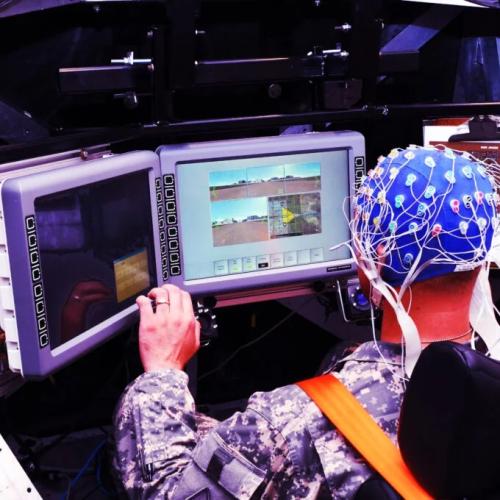
Billionaire Elon Musk’s brain-computer interface (BCI) company Neuralink made headlines earlier this year for inserting its first brain implant into a human being. Such implants ... are described as “fully implantable, cosmetically invisible, and designed to let you control a computer or mobile device anywhere you go." They can help people regain abilities lost due to aging, ailments, accidents or injuries, thus improving quality of life. Yet, great ethical concerns arise with such advancements, and the tech is already being used for questionable purposes. Some Chinese employers have started using “emotional surveillance technology” to monitor workers’ brainwaves. Governments and militaries are already ... describing the human body and brain as war’s next domain. On this new “battlefield,” an era of neuroweapons ... has begun. The Pentagon’s research arm DARPA directly or indirectly funds about half of invasive neural interface technology companies in the US. DARPA has initiated at least 40 neurotechnology-related programs over the past 24 years. As a 2024 RAND report speculates, if BCI technologies are hacked or compromised, “a malicious adversary could potentially inject fear, confusion, or anger into [a BCI] commander’s brain and cause them to make decisions that result in serious harm.” Academic Nicholas Evans speculates, further, that neuroimplants could “control an individual’s mental functions,” perhaps to manipulate memories, emotions, or even to torture the wearer. In a [military research paper] on neurowarfare: "Microbiologists have recently discovered mind-controlling parasites that can manipulate the behavior of their hosts according to their needs by switching genes on or off. Since human behavior is at least partially influenced by their genetics, nonlethal behavior modifying genetic bioweapons that spread through a highly contagious virus could thus be, in principle, possible.
Note: The CIA once used brain surgery to make six remote controlled dogs. For more, see important information on microchip implants and CIA mind control programs from reliable major media sources.
It was a faustian bargainand it certainly made editors at National Public Radio squirm. The deal was this: NPR, along with a select group of media outlets, would get a briefing about an upcoming announcement by the U.S. Food and Drug Administration a day before anyone else. But in exchange for the scoop, NPR would have to abandon its reportorial independence. The FDA would dictate whom NPR's reporter could and couldn't interview. My editors are uncomfortable with the condition that we cannot seek reaction, NPR reporter Rob Stein wrote back to the government officials offering the deal. Stein asked for a little bit of leeway to do some independent reporting but was turned down flat. Take the deal or leave it. NPR took the deal along with reporters from more than a dozen other top-tier media organizations, including CBS, NBC, CNN, the Washington Post, the Wall Street Journal and the New York Times. This kind of deal offered by the FDA - known as a close-hold embargo - is an increasingly important tool used by scientific and government agencies to control the behavior of the science press. By using close-hold embargoes and other methods, the FDA, like other sources of scientific information, are gaining control of journalists who are supposed to keep an eye on those institutions. The watchdogs are being turned into lapdogs. It is hard to tell when a close-hold embargo is afoot because, by its very nature, it is a secret.
Note: And to see how the media is censored by big money and a corrupt judicial system, watch this incredible video of two crack reporters who had their major investigation into a public health threat shut down. For more along these lines, see concise summaries of deeply revealing news articles about corruption in science and the manipulation of public perception.
Recently, secret documents have been unearthed detailing what the energy industry knew about the links between their products and global warming. In the 1980s, oil companies like Exxon and Shell carried out internal assessments of the carbon dioxide released by fossil fuels, and forecast the planetary consequences of these emissions. In 1982, for example, Exxon predicted that by about 2060, CO2 levels would reach around 560 parts per million double the preindustrial level and that this would push the planets average temperatures up by about 2C over then-current levels. in 1988, an internal report by Shell projected similar effects but also found that CO2 could double even earlier, by 2030. Privately, these companies did not dispute the links between their products, global warming, and ecological calamity. On the contrary, their research confirmed the connections. The effect is all the more chilling in view of the oil giants refusal to warn the public about the damage that their own researchers predicted. Although the details of global warming were foreign to most people in the 1980s, among the few who had a better idea than most were the companies contributing the most to it. Despite scientific uncertainties, the bottom line was this: oil firms recognized that their products added CO2 to the atmosphere, understood that this would lead to warming, and calculated the likely consequences. And then they chose to accept those risks on our behalf, at our expense, and without our knowledge.
Note: For more along these lines, see concise summaries of deeply revealing news articles on corporate corruption and climate change.
Important Note: Explore our full index to revealing excerpts of key major media news articles on several dozen engaging topics. And don't miss amazing excerpts from 20 of the most revealing news articles ever published.