





































Psychedelic Medicine News Articles
Below are key excerpts of inspiring news articles on psychedelic medicine from reliable news media sources. If any link fails to function, a paywall blocks full access, or the article is no longer available, try these digital tools.

Recent trials of psilocybin, a close pharmacological cousin to LSD, have demonstrated that a single guided psychedelic session can alleviate depression when drugs like Prozac have failed; can help alcoholics and smokers to break the grip of a lifelong habit; and can help cancer patients deal with their existential distress at the prospect of dying. At the same time, studies imaging the brains of people on psychedelics have opened a new window onto the study of consciousness, as well as the nature of the self and spiritual experience. Perhaps the most significant new evidence for the therapeutic value of psychedelics arrived in a pair of phase 2 trials (conducted at Johns Hopkins and NYU and published in the Journal of Psychopharmacology in 2016) in which a single high dose of psilocybin was administered to cancer patients struggling with depression, anxiety and the fear of death or recurrence. Eighty percent of the Hopkins cancer patients who received psilocybin showed clinically significant reductions in standard measures of anxiety and depression, an effect that endured for at least six months after their session. Results at NYU were similar. Curiously, the degree to which symptoms decreased in both trials correlated with the intensity of the mystical experience that volunteers reported, a common occurrence during a high-dose psychedelic session. Few if any psychiatric interventions for anxiety and depression have ever demonstrated such dramatic and sustained results.
Note: This entire article by best-selling author Michael Pollan is filled with the results of excellent studies in this exciting new field. If the above link fails, here is an alternative link. Articles like this suggest that the healing potentials of mind-altering drugs are gaining mainstream scientific credibility.
Can the mind-blowing effects of psychedelics help heal our traumas? The scientific community [says] it's an increasingly hopeful thumbs up. Despite the fact that psychedelics are illegal, the last decade has seen an explosion of research, with results so intriguing that governments are greenlighting studies around the world. Scientists are busily exploring the role of hallucinogens on treatment-resistant depression, post traumatic stress disorder, cancer-related anxiety, addictions, and even anorexia. During the '40s and early '50s tens of thousands of patients took LSD and other psychotropics to study their effects on cancer anxiety, alcoholism, opioid use disorder, depression, and ... PTSD. Researchers began to see psychedelics as possible "new tools for shortening psychotherapy." In the 1950s UK psychiatrist Dr. Humphry Osmond began giving LSD to treatment-resistent alcoholics: 40% to 45% of those who took LSD were still sober after a year. [Then] in 1970, President Richard Nixon ... classified hallucinogenics as Schedule I drugs -- the most restrictive category. [Fast forward to today and] MAPS is in the final phase of a gold-standard study administering MDMA [Ecstasy] to 300 people with severe PTSD. Results of the second phase showed 68% of the people no longer met the criteria for PTSD at a 12-month follow-up; before the study they had suffered from treatment-resistant PTSD for an average of 17.8 years. The results are so positive that in January the FDA declared MDMA-assisted psychotherapy for PTSD a "Breakthrough Therapy." Perhaps one day soon a trip to the therapist will include a trip into your mind, and hopefully, a quicker path to healing.
Note: The full article at the link above gives a concise, yet thorough survey of the use of psychedelics for healing and growth over the years. For more along these lines, see concise summaries of deeply revealing news articles on the powerful healing potentials of some psychedelics from reliable major media sources.
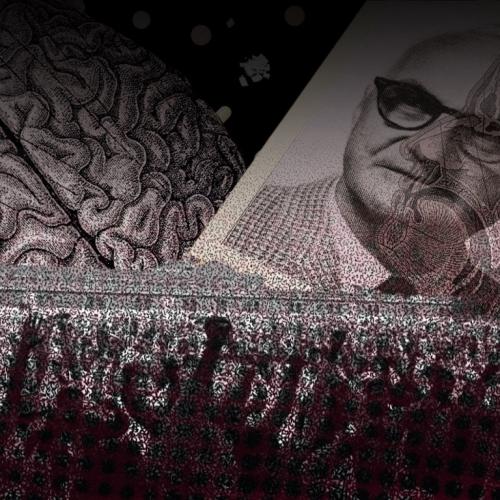
During the early period of the Cold War, the CIA became convinced that communists had discovered a drug or technique that would allow them to control human minds. In response, the CIA began its own secret program, called MK-ULTRA, to search for a mind control drug that could be weaponized against enemies. MK-ULTRA, which operated from the 1950s until the early '60s, was created and run by a chemist named Sidney Gottlieb. Some of Gottlieb's experiments were covertly funded at universities and research centers ... while others were conducted in American prisons and in detention centers in Japan, Germany and the Philippines. Many of his unwitting subjects endured psychological torture ranging from electroshock to high doses of LSD. In the early 1950s, he arranged for the CIA to pay $240,000 to buy the world's entire supply of LSD. He brought this to the United States, and he began spreading it around to hospitals, clinics, prisons and other institutions, asking them, through bogus foundations, to carry out research projects and find out what LSD was, how people reacted to it and how it might be able to be used as a tool for mind control. MK-ULTRA, was essentially a continuation of work that began in Japanese and Nazi concentration camps. Not only was it roughly based on those experiments, but the CIA actually hired the vivisectionists and the torturers who had worked in Japan and in Nazi concentration camps to come and explain what they had found out so that we could build on their research.
Note: Read more about the CIA's MK-ULTRA program. For more along these lines, see concise summaries of deeply revealing news articles on mind control from reliable major media sources.
The psychedelic drug in magic mushrooms may have lasting medical and spiritual benefits, according to new research from Johns Hopkins School of Medicine. The mushroom-derived hallucinogen, called psilocybin, is known to trigger transformative spiritual states, but at high doses it can also result in "bad trips" marked by terror and panic. "The important point here is that we found the sweet spot where we can optimize the positive persistent effects and avoid some of the fear and anxiety that can occur and can be quite disruptive," says lead author Roland Griffiths, professor of behavioral biology at Hopkins. Giffiths' study involved 18 healthy adults, average age 46. Nearly all the volunteers were college graduates and 78% participated regularly in religious activities; all were interested in spiritual experience. Fourteen months after participating in the study, 94% of those who received the drug said the experiment was one of the top five most meaningful experiences of their lives; 39% said it was the single most meaningful experience. Their friends, family members and colleagues also reported that the psilocybin experience had made the participants calmer, happier and kinder.
Stephen Ross spends most of his time helping people quit drugs. But early next year, he will begin administering MDMA in his ... medical research lab. MDMA, aka ecstasy, will still be an illegal drug. But its emerging as one of the most promising treatments for intractable post-traumatic stress disorder. Rick Doblin ... encountered MDMA for the first time [in 1982]. Two years later, he watched a patient suffering from PTSD undergo MDMA-assisted therapy. That completely persuaded me of its therapeutic potential, Doblin says. In 1985, Doblin learned that the DEA was moving to ban the drug ... and founded a nonprofit - the Multidisciplinary Association for Psychedelic Studies - to fight the prohibition. In 2000 [Doblin] met Michael Mithoefer, a therapist specializing in PTSD. Mithoefer had grown frustrated by the available treatments. Mithoefer and his wife and co-therapist, Annie, conducted the first MAPS-funded Phase II trial in 2004, which used MDMA to treat PTSD in victims of rape and childhood sexual abuse. These were patients with chronic cases that had proved resistant to other treatment methods. A second group, made up of veterans, firefighters and police officers, followed. Therapists refer to MDMA as an empathogen - something that enables patients to feel empathy not just for others but also for themselves. Of the 90 people who completed the 12-month follow-up after Phase II, 68% of them did not meet PTSD criteria, according to the study results MAPS submitted to the FDA. Of the remaining third, many had some reduction in symptoms.
Note: Read more about how MDMA has been found effective for treating PTSD in a therapeutic context. Articles like this suggest that the healing potentials of mind-altering drugs are gaining mainstream scientific credibility.
On a summer morning in 2013, Octavian Mihai entered a softly lit room. He swallowed a capsule of psilocybin, an ingredient found in hallucinogenic mushrooms. Then he put on an eye mask and headphones and lay down on a couch. Mr. Mihai, who had just finished treatment for Stage 3 Hodgkins lymphoma, was participating in a study looking at whether the drug can reduce anxiety and depression in cancer patients. Throughout that eight-hour session, a psychiatrist and a social worker ... stayed by his side. The results from that study, and a similar small, controlled trial, were striking. About 80 percent of cancer patients showed clinically significant reductions in both psychological disorders, a response sustained some seven months after the single dose. Side effects were minimal. In both trials, the intensity of the mystical experience described by patients correlated with the degree to which their depression and anxiety decreased. Although cancer patients will not have access to therapeutically administered psilocybin anytime soon, the findings add vigor to applications to expand research in a multicenter trial with hundreds of participants. Psilocybin trials are underway in the United States and Europe for alcoholism, tobacco addiction and treatment-resistant depression. Other hallucinogens are also being studied for clinical application. This week, the Food and Drug Administration approved a large-scale trial investigating MDMA, the illegal party drug better known as Ecstasy, for post-traumatic stress disorder.
Note: See another article in the UK's Independent showing remarkable results from these studies. Learn more about the healing potentials of mind-altering drugs now being explored by the scientific community.
This week, life sciences company COMPASS Pathways announced that it has received Breakthrough Therapy designation from the United States Food and Drug Administration for its psilocybin therapy aimed at individuals with treatment-resistant depression. Psilocybin, the main active ingredient in psychedelic mushrooms ... can alter ones perception, thoughts and feelings or cause hallucinations. Researchers from Switzerland, the United Kingdom and the U.S. have been studying the therapy for many years. In fact, a study published in January found that the psychoactive compound helped revive emotional responsiveness in patients with treatment-resistant depression. Another showed that patients mental benefits after two psilocybin treatments lasted for weeks. COMPASS Pathways will begin running the first large-scale psilocybin clinical trial for treatment-resistant depression in Europe and North America within the next two years. "This is great news for patients, COMPASS executive chairman George Goldsmith said. We are excited to be taking this work forward with our clinical trial. The FDA will be working closely with us to expedite the development process and increase the chances of getting this treatment to people suffering with depression as quickly as possible. While treatments such as antidepressants and psychotherapy exist, those with severe, treatment-resistant depression ... have trouble finding help. Approximately 100 million around the globe are affected by such treatment-resistant depression.
Note: In 2017, the psychoactive drug MDMA similarly received a "Breakthrough Therapy" designation from the FDA for the promise it shows in treating PTSD. Articles like this suggest that the healing potentials of mind-altering drugs are gaining mainstream scientific credibility.
MDMA - the active ingredient in the banned street drug ecstasy - is safe and enhances the treatment of post-traumatic stress disorder when administered during psychotherapy, according to a new clinical trial. The US Food and Drug Administration-approved ... study included just 26 patients, all of them veterans, firefighters and police officers who developed PTSD as a result of trauma in the line of duty. PTSD ... affects about 8 million American in any given year. Continuing symptoms, including flashbacks and frightening thoughts, may lead to substance abuse, unemployment, family disruption and even suicide. Up to 72% of veterans who receive psychotherapy retain their PTSD diagnosis and frequently drop out of their treatment programs. "We only included people who had received prior treatment but still had clinically significant PTSD," [Dr. Michael C. Mithoefer, lead author of the study] said. Participants received ... about 13 hours of non-drug psychotherapy plus two eight-hour sessions of MDMA-assisted psychotherapy. Participants were randomly assigned to receive MDMA (orally) in one dose of either 30, 75 or 125 milligrams for each of the two MDMA-assisted psychotherapy sessions. One month after the second MDMA session, 68% of patients in the two higher-dose groups no longer qualified for a diagnosis of PTSD. One year later, 67% of all participants no longer qualified for a diagnosis of PTSD. Those participants who still met the criteria for PTSD experienced a reduction in symptoms, the researchers noted.
Note: Watch an engaging interview with one of the participants of the study at the link above. Read more about how MDMA has been found to be effective for treating PTSD in a therapeutic context. Articles like this suggest that the healing potentials of mind-altering drugs are gaining mainstream scientific credibility.
In Silicon Valley, there is a premium on creativity, and tools thought to induce or enhance it are avidly sought. Some view psychedelics as ... a way to approach problems differently. There's no definitive scientific evidence that LSD or other hallucinogens improve creativity, and the DEA classifies LSD as a highly addictive, Schedule I drug. But the belief that they might work as a creative tool is enough to fuel some technologists' hope for professional epiphanies. Tim Ferriss, a Silicon Valley investor and author of "The 4-Hour Workweek," says he knows many successful entrepreneurs who dabble in psychedelics. "The billionaires I know, almost without exception, use hallucinogens on a regular basis," Ferriss said. "[They're] trying to be very disruptive and look at the problems in the world ... and ask completely new questions." The phenomenon was satirized on HBO's Silicon Valley when psychedelic mushrooms guide one of the show's main characters in the hunt for a new name for their startup. A recent study at Imperial College London provides a possible explanation. Twenty participants ingested LSD and then had their brain activity monitored in an fMRI machine. The drug [allowed] new patterns of communication to form. "Psychedelics dismantle 'well-worn' networks, and this allows novel communication patterns to occur. Modules that don't usually talk to each other are talking to each other more," explained Dr. Robin Carhart-Harris, the researcher who conducted the study.
Note: Food justice champion Michael Pollan recently wrote a fascinating article prominently featured in the venerable magazine The New Yorker about the amazing power of psilocybin mushrooms to create profound healing in carefully controlled environments. It is subtitled "Research into psychedelics, shut down for decades, is now yielding exciting results." Are the healing potentials of mind altering drugs finally starting to receive honest mainstream attention?
Three and a half years ago, on my 62nd birthday, doctors discovered a mass on my pancreas. It turned out to be Stage 3 pancreatic cancer. I was told I would be dead in four to six months. Today I am in that rare coterie of people who have survived this long with the disease. But I did not foresee that after having dedicated myself for 40 years to a life of the law, including more than two decades as a New York State judge, my quest for ameliorative and palliative care would lead me to marijuana. My survival has demanded an enormous price, including months of chemotherapy, radiation hell and brutal surgery. Inhaled marijuana is the only medicine that gives me some relief from nausea, stimulates my appetite, and makes it easier to fall asleep. The oral synthetic substitute, Marinol, prescribed by my doctors, was useless. Rather than watch the agony of my suffering, friends have chosen, at some personal risk, to provide the substance. I find a few puffs of marijuana before dinner gives me ammunition in the battle to eat. A few more puffs at bedtime permits desperately needed sleep. This is not a law-and-order issue; it is a medical and a human rights issue. Being treated at Memorial Sloan Kettering Cancer Center, I am receiving the absolute gold standard of medical care. But doctors cannot be expected to do what the law prohibits, even when they know it is in the best interests of their patients. When palliative care is understood as a fundamental human and medical right, marijuana for medical use should be beyond controversy.
Note: The author is Gustin L. Reichbach, who is a justice of the New York State Supreme Court in Brooklyn. For lots more from reliable sources on the benefits of many mind-altering drugs, click here.
When the drugs came, they hit all at once. It was the 80s, and by the time one in 10 people had slipped into the depths of heroin use - bankers, university students, carpenters, socialites, miners - Portugal was in a state of panic. In 2001 ... Portugal became the first country to decriminalise the possession and consumption of all illicit substances. Rather than being arrested, those caught with a personal supply might be given a warning, a small fine, or told to appear before a local commission a doctor, a lawyer and a social worker about treatment, harm reduction, and the support services that were available to them. The opioid crisis soon stabilised, and the ensuing years saw dramatic drops in problematic drug use, HIV and hepatitis infection rates, overdose deaths, drug-related crime and incarceration rates. HIV infection plummeted from an all-time high in 2000 of 104.2 new cases per million to 4.2 cases per million in 2015. Portugals remarkable recovery ... could not have happened without an enormous cultural shift, and a change in how the country viewed drugs. Portugals policy rests on three pillars: one, that theres no such thing as a soft or hard drug, only healthy and unhealthy relationships with drugs; two, that an individuals unhealthy relationship with drugs often conceals frayed relationships with loved ones, with the world around them, and with themselves; and three, that the eradication of all drugs is an impossible goal. In spite of Portugals tangible results, other countries have been reluctant to follow.
Note: Portugal's successful policy has contributed to public health outcomes that starkly contrast US trends.
In July, the Food and Drug Administration took the important step of approving two final-phase clinical trials to determine whether a party drug that has long been on the Drug Enforcement Administrations Schedule I list of banned substances could be used to treat a psychiatric condition that afflicts millions. The drug is MDMA, a psychedelic commonly known as Ecstasy. The trials aim to determine whether the drug is, as earlier trials have suggested, a safe and effective treatment for post-traumatic stress disorder. The F.D.A. approval is a beacon of hope for the roughly eight million Americans believed to suffer from PTSD, a group that includes victims of abuse, refugees and combat veterans. The shortcomings in the way we have typically treated PTSD mean that many are condemned to suffer from the condition for years, even decades, with little relief. Less than 20 percent of patients are estimated to get effective treatment through prescription psychiatric drugs ... which, along with psychotherapy, have been the global standard of mental health care since the 1990s. This could change with the F.D.A.s decision, which has given MDMA-assisted psychotherapy for the treatment of PTSD the status of a potential breakthrough therapy. This designation permits the fast-tracking of trials in hopes of proving the drug, which has psychedelic and stimulant effects, to be safe and capable of doing what no other drug on the market can.
Note: Read more about how MDMA has been found to be highly effective for treating PTSD in a therapeutic context. Articles like this suggest that the healing potentials of mind-altering drugs are gaining mainstream scientific credibility.
After years of lobbying and experimental research, the FDA has granted "breakthrough therapy" status for the drug MDMA as a potential treatment for post-traumatic stress disorder. The designation does not mean the drug is FDA-approved, but it does ease the way for clinical trials to test its safety and effectiveness in patients with PTSD. The non-profit Multidisciplinary Association for Psychedelic Studies (MAPS), which has been advocating and fundraising for MDMA research for three decades, announced the FDA's designation. More commonly known as its street names ecstasy or Molly, MDMA (methylenedioxymethamphetamine) is a psychoactive drug that produces feelings of energy and euphoria, often followed by an emotional crash. In recent years, some in the scientific community have suggested it could have medical benefits, as well. In previous phases of clinical trials, the drug was shown to offer significant relief to sufferers of PTSD, a mental health disorder characterized by nightmares or flashbacks and heightened anxiety or depression after experiencing or witnessing a terrifying event. In phase 2 clinical trials sponsored by MAPS, 61 percent of the 107 participants with chronic, treatment-resistant PTSD no longer had the disorder after two months of MDMA-assisted psychotherapy treatment. At a 12-month follow up, 68 percent no longer had PTSD. The organization expects to begin phase 3 trials with a larger group of participants next year.
Note: For more along these lines, see concise summaries of deeply revealing news articles on mind-altering drugs from reliable major media sources.
Harriet de Wit, a professor of psychiatry and behavioural science at the University of Chicago, was running an experiment on whether the drug MDMA increased the pleasantness of social touch in healthy volunteers. Mike Bremmer, de Wit's research assistant, appeared at her office door with a concerned look on his face. A man named Brendan had filled out a standard questionnaire at the end. Strangely, at the very bottom of the form, Brendan had written in bold letters: "This experience has helped me sort out a debilitating personal issue. Google my name. I now know what I need to do." Brendan had been the leader of ... a notorious white nationalist group. "Go ask him what he means by 'I now know what I need to do,'" [de Wit] instructed Bremmer. As he clarified to Bremmer, love is what he had just realised he had to do. "Love is the most important thing," he told the baffled research assistant. "I conceived of my relationships with other people not as distinct boundaries with distinct entities, but more as we-are-all-one. I realised I'd been fixated on stuff that doesn't really matter. There are moments when I have racist or antisemitic thoughts ... But now I can recognise that those kinds of thought patterns are harming me more than anyone else." While MDMA cannot fix societal-level drivers of prejudice and disconnection, on an individual basis it can make a difference. In certain cases, the drug may even be able to help people see through the fog of discrimination and fear that divides so many of us.
Note: A case study about Brendan was published in the journal Biological Psychiatry. Read more on the healing potentials of psychedelic medicine, including science journalist Rachel Nuwer's new book, I Feel Love: MDMA and the Quest for Connection in a Fractured World. Explore a treasure trove of concise summaries of incredibly inspiring news articles which will inspire you to make a difference.
Parents of severely autistic children are turning to medical marijuana for relief. There are very few studies linking cannabinoids as a treatment for autism, but that isn't holding these parents back. Most figure they don't have anything to lose. Some [autistic] children are able to function well with various treatments, while others suffer with the inability to speak and self-harming behaviors. According to the Center for Disease Control and Prevention, 1.5% of the children in the U.S. are diagnosed with autism as of 2014. They are using CBD or cannabidiol, which can be derived from marijuana and hemp plants. The stories of autistic children that are helped with CBD oil sound very familiar to the stories of the epileptic children that have responded to CBD. Recently, Kalel Santiago, a child with autism so severe he wasn't able to speak, started speaking his first words after simply spraying hemp oil in his mouth twice daily according to Dr. Giovanni Martinez, a clinical psychologist in Puerto Rico. Dr. Martinez said, He started using the product three weeks ago. He was a full non-verbal patient. He only made sounds. The only change in his treatments was the use of CBD. The parents pursued the treatment on their own. Dr. Martinez has also been doing his own research on CBD and shared it with the parents. I'm very impressed with the language he has acquired, said Dr. Martinez.
Note: Read more about the healing potential of CBD. For more along these lines, see concise summaries of deeply revealing news articles on health from reliable major media sources.
Painkiller abuse and overdose are lower in states with medical marijuana laws. When medical marijuana is available, pain patients are increasingly choosing pot over powerful and deadly prescription narcotics. Now a new study [provides] clear evidence of a missing link in the causal chain running from medical marijuana to falling overdoses. Researchers at the University of Georgia scoured the database of all prescription drugs paid for under Medicare Part D from 2010 to 2013. In the 17 states with a medical-marijuana law in place by 2013, prescriptions for painkillers and other classes of drugs fell sharply compared with states that did not have a medical-marijuana law. They found that, in medical-marijuana states, the average doctor prescribed 265 fewer doses of antidepressants each year, 486 fewer doses of seizure medication, 541 fewer anti-nausea doses and 562 fewer doses of anti-anxiety medication. But most strikingly, the typical physician in a medical-marijuana state prescribed 1,826 fewer doses of painkillers in a given year. Estimating the cost savings to Medicare from the decreased prescribing, [the study] found that about $165 million was saved in the 17 medical marijuana states in 2013. The estimated annual Medicare prescription savings would be nearly half a billion dollars if all 50 states were to implement similar programs.
Note: The war on drugs has been called a "trillion dollar failure", and an increasing number of deaths are caused by prescription opioid overdose in the US each year. For more along these lines, see concise summaries of deeply revealing health news articles from reliable major media sources. Then explore the excellent, reliable resources provided in our Health Information Center.
MDMA - most commonly known as a party drug - could be more effective than therapy alone at treating post-traumatic stress disorder (PTSD). The results of a keenly-awaited trial suggest two-thirds of people no longer qualified for a PTSD diagnosis after treatment. The study represents a significant step towards approval of the drug in the US. PTSD can be the result of a very distressing or frightening event, or longer-term series of experiences. That might include accidents, abuse, rape, combat or illness. And it can be very difficult to treat. This trial, run by US charity the Multidisciplinary Association for Psychedelic Studies (Maps), found 88% of people had a "meaningful reduction in symptoms" and 67% no longer qualified for a PTSD diagnosis at all after 18 weeks and three sessions of MDMA-assisted therapy. Talking therapy alone led to a significant improvement in 60%, and remission in 32% of people. The participants in the study, which was published in the journal Nature, had suffered from PTSD for an average of 14 years. MDMA appears to work in part by calming the amygdala. In people with PTSD and anxiety disorders, this part of the brain can overreact, sounding the alarm over seemingly small events. When we are babies, and again during adolescence, we experience periods where our brains are very pliable. The scientists involved in the study speculate that psychedelics and similar-acting drugs like MDMA might allow a "reopening" of this critical window of brain development.
Note: For more along these lines, see concise summaries of deeply revealing news articles on the healing potentials of mind-altering drugs from reliable major media sources.
The psychedelic drug MDMA, also known as ecstasy or molly, has passed another key hurdle on its way to regulatory approval as a treatment for mental illness. A second large clinical trial has found that the drug — in combination with psychotherapy — is effective at treating post-traumatic stress disorder (PTSD). In June, Australia became the first country to allow physicians to prescribe MDMA for treating psychiatric conditions. MDMA is illegal in the United States and other countries because of the potential for its misuse. But the Multidisciplinary Association for Psychedelic Studies (MAPS) ... has long been developing a proprietary protocol for using MDMA as a treatment for PTSD and other disorders. MAPS has been campaigning for its legalization. In 2021, researchers sponsored by MAPS reported the results of a study in which 90 people received a form of psychotherapy developed by the organization alongside either MDMA or a placebo. After three treatment sessions, 67% of those who received MDMA with therapy no longer qualified for a PTSD diagnosis, compared with 32% of those who received therapy and a placebo. The results of a second trial ... were similar: 71% of people who received MDMA alongside therapy lost their PTSD diagnosis. A MAPS spokesperson says that the organization plans to seek formal FDA approval before the end of this year, and that because the agency has already designated MDMA as a ‘breakthrough therapy’ ... it will be evaluated quickly.
Note: Read more about the healing potentials of mind-altering drugs. Explore more positive stories like this in our comprehensive inspiring news articles archive focused on solutions and bridging divides.
As of 2018, nearly one in eight Americans use antidepressants. Unfortunately, more than a third of patients are resistant to the mood-improving benefits of medicine’s best antidepressant drugs. These people are not completely out of options. There are chemicals already out there that can restore their mood balance, and in some cases, even save their lives. Chemicals such as lysergic acid diethylamide (LSD), psilocybin (magic mushrooms) and dimethyltryptamine (DMT) are more accurately called “serotonergic psychedelics” among the neuroscience community. At the correct doses, psychedelics are well tolerated, producing only minor side effects such as transient fear, perception of illusions, nausea/vomiting or headaches. These fleeting side effects pale in comparison to the severity of commonly prescribed antidepressants, which include dangerous changes in heart rate and blood pressure, paradoxical increases in suicidality, and withdrawal symptoms. As far as outcomes go, psychedelics in combination with psychotherapy are remarkably efficient at treating depression. Compared to selective serotonin reuptake inhibitors, or SSRIs, the current gold standard in antidepressant medication, psychedelics have a faster effect on patients, sometimes effective with only a single therapy session. Psychedelics also have a longer-lasting effect than an SSRI regimen. A 2015 study ... demonstrated that past history of psychedelic use decreases the odds of suicidal thoughts or actions over the course of a lifetime.
Note: Read more about the healing potentials of psychedelic medicine. Explore more positive stories like this in our comprehensive inspiring news articles archive focused on solutions and bridging divides.
A nascent movement of activists working to reframe psilocybin as both a medicine and as a tool for personal or spiritual growth [thinks] researchers and policy makers should be able to discuss, in a dispassionate way, the medical or recreational use of hallucinogenic drugs a subject that not long ago was unthinkable. The Boston Entheogenic Network (BEN) ... formed last year. Instead of the more familiar, more polarizing adjective psychedelic, BEN uses the term entheogenic - meaning generating the divine within - to describe multiple methods of achieving altered states of consciousness. Proof of medical usefulness was the first step toward marijuanas legalization. Could it be the same for hallucinogens? In fact, medical applications for psilocybin abound. Recent studies have found that MDMA seems to be a remarkably useful tool in treating post-traumatic stress disorder, when combined with psychotherapy. In August, the FDA designated the drug as a breakthrough therapy, meaning that it may have substantial advantages over existing PTSD treatments. Other studies suggest psilocybin has promise as a treatment for anxiety and depression. Meanwhile, microdosing - the regular use of tiny amounts of LSD or other psychedelics not to hallucinate but to improve creativity and mood - has become a Silicon Valley trend. Advocates for psychedelics have come a long way from Learys indiscriminate call for young people to turn on, tune in, and drop out, but many still believe these drugs could change the world.
Note: Read more about how MDMA has been found effective for treating PTSD in a therapeutic context. Articles like this suggest that the healing potentials of mind-altering drugs are gaining mainstream scientific credibility.
Important Note: Explore our full index to revealing excerpts of key major media news articles on several dozen engaging topics. And don't miss amazing excerpts from 20 of the most revealing news articles ever published.



