



























































Health Media Articles
Below are key excerpts of revealing news articles on health from reliable news media sources. If any link fails to function, a paywall blocks full access, or the article is no longer available, try these digital tools.
For further exploration, delve into our comprehensive Health and Food Corruption Information Center.

Forever chemicals, also known as per- and polyfluoroalkyl substances (PFAS), are a pervasive group of compounds that have been linked to a number of cancers and other illnesses. The toxic substances have become widespread in the air, soil and water via industrial discharge and are found in a number of common household items, from cookware to dental floss to stain-resistant furniture. And many of the products in which they have been detected — including waterproof makeup, workout leggings and period products — are primarily marketed toward women. In May 2022, a team of researchers at the Massachusetts-based Silent Spring Institute published a study ... looking at the presence of PFAS in underwear and several other consumer items. Among those products was menstrual underwear. Research released in August ... also found indicators of PFAS in some period products, including wrappers for several pads and some tampons and outer layers of menstrual underwear. A 2021 study ... tested 231 makeup products and found that 63 percent of the foundations, 58 percent of the eye products, 55 percent of the lip products and 47 percent of the mascaras it looked at contained high levels of fluorine. The Environmental Working Group has identified 300 cosmetic products from 50 different popular brands that contain PFAS in its Skin Deep database. The advocacy organization found that 200 of these products contain PTFE, which is also used in Teflon pans.
Note: For more along these lines, see concise summaries of deeply revealing news articles on health and corporate corruption from reliable major media sources.
A federal appeals court in the US has killed a ban on plastic containers contaminated with highly toxic PFAS “forever chemicals” found to leach at alarming levels into food, cosmetics, household cleaners, pesticides and other products across the economy. Houston-based Inhance manufactures an estimated 200m containers annually with a process that creates, among other chemicals, PFOA, a toxic PFAS compound. The Environmental Protection Agency (EPA) in December prohibited Inhance from using the manufacturing process. But the conservative fifth circuit court of appeals court overturned the ban. The judges did not deny the containers’ health risks, but said the EPA could not regulate the buckets under the statute it used. The rule requires companies to alert the EPA if a new industrial process creates hazardous chemicals. Inhance has produced the containers for decades and argued that its process is not new, so it is not subject to the regulations. The EPA argued that it only became aware that Inhance’s process created PFOA in 2020, so it could be regulated as a new use, but the court disagreed. PFAS are a class of about 15,000 compounds [that] have been linked to cancer, high cholesterol, liver disease, kidney disease, fetal complications and other serious health problems. A peer-reviewed study in 2011 found Inhance’s containers leached the toxic compounds into their contents.
Note: For more along these lines, see concise summaries of deeply revealing news articles on health and corporate corruption from reliable major media sources.
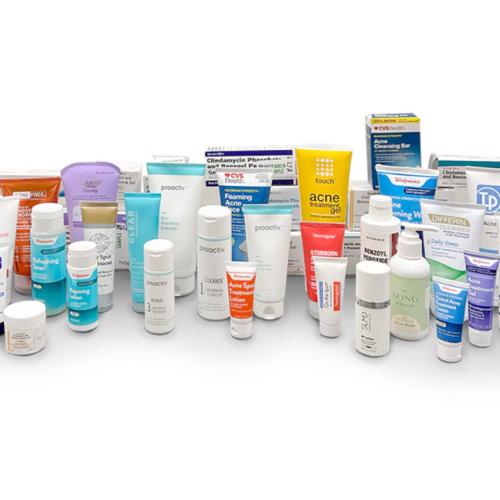
High levels of a chemical known to cause cancer have been found at "unacceptably high levels" in popular acne products from brands like Proactive, Target's Up & Up, Clinique, and Clearasil, according to a recent report by independent laboratory Valisure. Benzene, a known human carcinogen, was found to develop in products with benzoyl peroxide, a chemical used to treat acne, at a level of over 800 times the concentration limit of 2 parts per million set by the U.S. Food and Drug Administration, the March 6 report said. The drug product was found to be "fundamentally unstable" especially when stored at high temperatures. The report found a Proactiv product left in 158 degrees Fahrenheit of a hot compact car resulted in the detection of benzene at around 1,270 times the Environmental Protection Agency’s calculated threshold for increased cancer risk. "There is not a safe level of benzene that can exist in any skin care product, over the counter or prescription," Christopher Bunick, MD, PhD, Associate Professor of Dermatology at Yale University, said in a statement for Valisure. The report also found that benzene can leak out of packaging and "pose a potential inhalation risk" to consumers, according to the report. The company sent a citizen petition to the FDA on Tuesday describing its report and requesting "recalls and a suspension of sales for products containing the active pharmaceutical ingredient benzoyl peroxide."
Note: For more along these lines, see concise summaries of deeply revealing news articles on health and corporate corruption from reliable major media sources.
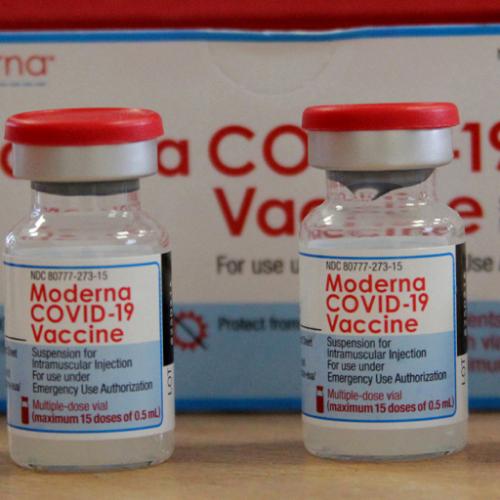
Long COVID as it’s commonly known is a serious and poorly understood problem. But there is also growing evidence that the COVID vaccine could cause a similar disease. We are critical care physicians with the FLCCC Alliance (the Front Line COVID-19 Critical Care Alliance) who have treated COVID patients throughout the pandemic. One of us recently opened a private practice focused on patients with long COVID. In two years, the practice has evaluated and treated over 1,000 individuals. Approximately 70 percent of these patients said their reported symptoms occurred in the minutes, hours, days and weeks after COVID vaccination, as opposed to after COVID infection. This could be tied to a new condition that’s flown under the radar until recently. This syndrome, dubbed “long vax,” is just starting to make its way into the medical literature. Dr. Harlan Krumholz at the Yale School of Medicine published a survey of 241 patients who described post-COVID vaccination symptoms of exercise intolerance, excessive fatigue, numbness, brain fog and neuropathy, a nervous system disorder that can cause pain, tingling sensations, numbness or weakness. Long COVID patients were excluded from the study. The concern is that our findings, Krumholz’s study, and any reports of adverse events from COVID-19 vaccination, will be subject to the same institutional censorship we saw throughout the pandemic.
Note: We've documented the growing public backlash against the COVID vaccine, including landmark lawsuits. Vaccine adverse event numbers are made publically available through the Vaccine Adverse Event Reporting System (VAERS), and currently show 1,630,913 COVID vaccine injury reports, 37,231 COVID Vaccine Reported Deaths, and 214,906 COVID Vaccine Reported Hospitalizations.
A chemical found in water bottles has been linked to child obesity, according to a new study. The synthetic chemical Bisphenol A, or BPA, was found in a variety of widely used products, such as plastic water bottles and eyewear. But it is also a chemical known to disrupt the body's hormones. The chemical, which can make its way into other avenues, such as food and the soil, accumulates in the body's tissues and organs when ingested. It is known to affect weight and can affect certain cells. A new study published in mSystems found that this chemical could be playing a role in causing different bacteria groups in children of normal weight than those who were overweight. "We found that the gut microbial community responds differently to BPA exposure depending on the BMI (body-mass index) of the individual," [said] microbiologist Margarita Aguilera of the University of Granada. "[Those connections] underscore the intricate interplay between gut microbiota and potential human pathophysiology resulting from cumulative BPA exposure." Researchers ... found overall that there were more unique bacteria groups in the children of a normal weight. This strongly suggests that the bacteria in those children may be able to fight off harmful chemicals like BPA. This study, and future studies into the effects of BPA, "could point to future interventions and policy changes that may reduce the risk of childhood obesity worldwide," Aguilera said.
Note: For more along these lines, see concise summaries of deeply revealing news articles on health and corporate corruption from reliable major media sources.
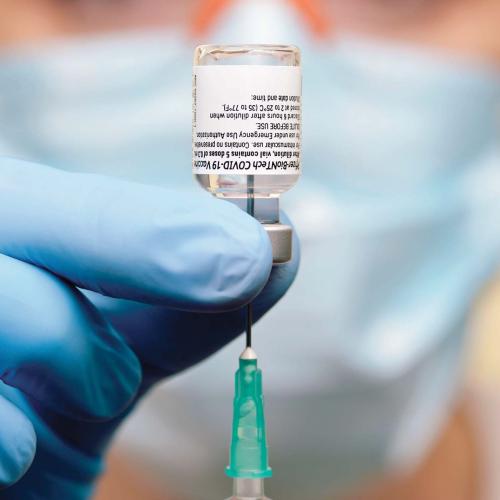
Vaccines that protect against severe illness, death and lingering long Covid symptoms from a coronavirus infection were linked to small increases in neurological, blood, and heart-related conditions in the largest global vaccine safety study to date. The rare events — identified early in the pandemic — included a higher risk of heart-related inflammation from mRNA shots made by Pfizer Inc., BioNTech SE, and Moderna Inc., and an increased risk of a type of blood clot in the brain after immunization with viral-vector vaccines such as the one developed by the University of Oxford and made by AstraZeneca Plc. The viral-vector jabs were also tied to an increased risk of Guillain-Barre syndrome, a neurological disorder in which the immune system mistakenly attacks the peripheral nervous system. More than 13.5 billion doses of Covid vaccines have been administered globally over the past three years. Still, a small proportion of people immunized were injured by the shots, stoking debate about their benefits versus harms. The new research, by the Global Vaccine Data Network, was published in the journal Vaccine last week. Exercise intolerance, excessive fatigue, numbness and “brain fog” were among common symptoms identified in more than 240 adults experiencing chronic post-vaccination syndrome in a separate study conducted by the Yale School of Medicine. The cause of the syndrome isn’t yet known, and it has no diagnostic tests or proven remedies.
Note: Vaccine adverse event numbers are made publically available, and currently show 2,579,111 COVID vaccine injury reports and 37,100 COVID Vaccine Reported Deaths (out of 47,290 Total Reported Deaths from all vaccines). Read our in-depth report about this concerning trend that is often discussed by mainstream media as a rare occurrence. For more along these lines, see concise summaries of deeply revealing news articles on COVID vaccines from reliable major media sources.
A new EWG peer-reviewed study has found chlormequat, a little-known pesticide, in four out of five, or 80 percent, of people tested. The groundbreaking analysis of chlormequat in the bodies of people in the U.S. rings alarm bells, because the chemical is linked to reproductive and developmental problems in animal studies, suggesting the potential for similar harm to humans. EWG’s research, published February 15 in the Journal of Exposure Science and Environmental Epidemiology, tested for the presence of chlormequat in urine collected from 96 people between 2017 and 2023. The chemical was found in the urine of 77 of them. We detected the chemical in 92 percent of oat-based foods purchased in May 2023, including Quaker Oats and Cheerios. The fact that so many people are exposed raises concerns about its potential impact on public health, since animal studies link chlormequat to reduced fertility, harm to the reproductive system and altered fetal growth. Environmental Protection Agency regulations allow the chemical to be used on ornamental plants only – not food crops – grown in the U.S. But its use is permitted on imported oats and other foods sold here. Many oats and oat products consumed in the U.S. come from Canada. Chlormequat was not allowed on oats sold in the U.S. before 2018, when the Trump EPA gave first-time approval for some amount of the chemical on imported oats. The same administration in 2020 increased the allowable level.
Note: For more along these lines, see concise summaries of deeply revealing news articles on health and food system corruption from reliable major media sources.
The Environmental Protection Agency must ban the toxic weedkiller paraquat – a step more than 60 other countries have taken because of its threats to human health. Paraquat has been linked to Parkinson’s disease, non-Hodgkin lymphoma, childhood leukemia and more. While the EPA says paraquat is too toxic for use on U.S. golf courses, it still allows use of the herbicide on farms. This threatens the health of the people who apply it, other farmworkers and those who live or work near crop fields where it’s used. More than 10 million pounds of paraquat were sprayed in 2018 alone, twice as much as has been sprayed since 2014. While much of the paraquat applied winds up in the soil for years, the chemical can also drift through the air or linger in dust. Syngenta makes paraquat in China and the United Kingdom. The Swiss-based company, which was acquired by a Chinese state-owned chemical conglomerate, has long understood the chemical’s health risks. But it spent decades hiding this knowledge from the public and the EPA. Ironically, Chinese, U.K. and Swiss farmers are prohibited by their respective governments from using paraquat due to potential health risks from exposure. But the weedkiller isn’t prohibited in the U.S. Ingesting even tiny amounts of paraquat can be lethal. Recently, findings from researchers at UCLA show paraquat sprayed within 500 meters ... of where people lived and worked could more than double a person’s odds of developing Parkinson’s.
Note: Read more about the dangers of paraquat. For more along these lines, see concise summaries of deeply revealing news articles on health from reliable major media sources.
A US court this week banned three weedkillers widely used in American agriculture, finding that the Environmental Protection Agency (EPA) broke the law in allowing them to be on the market. The ruling is specific to three dicamba-based weedkillers manufactured by Bayer, BASF and Syngenta, which have been blamed for millions of acres of crop damage and harm to endangered species and natural areas across the midwest and south. Discovery documents turned up in the litigation showed the companies knew that their dicamba weedkillers would probably lead to off-target crop damage. This is the second time a federal court has banned these weedkillers since they were introduced for the 2017 growing season. In 2020, the ninth circuit court of appeals issued its own ban, but months later the Trump administration reapproved the weedkilling products. But a federal judge in Arizona ruled on Monday that the EPA made a crucial error in reapproving dicamba, finding the agency did not post it for public notice and comment as required by law. US district judge David Bury wrote ... that it was a “very serious” violation and that if EPA had done a full analysis, it probably would not have made the same decision. Bury wrote that the EPA did not allow many people who are deeply affected by the weedkiller – including specialty farmers, conservation groups and more – to comment. “The evidence has shown that dicamba cannot be used without causing massive and unprecedented harm to farms as well as endangering plants and pollinators,” said George Kimbrell [with] the Center for Food Safety, which litigated the case.
Note: For more along these lines, see concise summaries of deeply revealing news articles on health and government corruption from reliable major media sources.
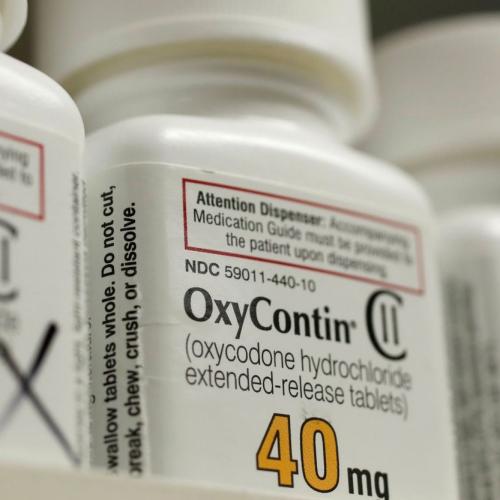
An advertising agency that helped market the blockbuster painkiller OxyContin will pay $350 million to states ravaged by the nation’s opioid crisis. Attorneys general from multiple states alleged that Publicis Health developed “unfair and deceptive” marketing campaigns aimed at persuading doctors to prescribe the addictive drug for longer periods of time and at higher doses. The company’s client was Purdue Pharma, the Connecticut drugmaker accused in lawsuits of helping ignite the epidemic through aggressive marketing and sales of OxyContin. Publicis, a subsidiary of French ad giant Publicis Groupe, settled with 50 states and D.C. Under the agreements, Publicis Health will stop accepting work related to prescription opioids and must release thousands of internal documents chronicling its dealings with companies such as Purdue. It is the first settlement with an advertising agency connected to the opioid crisis, according to the New York attorney general’s office. “Publicis was responsible for creating advertisements and materials, such as pamphlets and brochures that promoted OxyContin as safe and unable to be abused, even though this claim was not true,” according to a news release from the office of New York Attorney General Letitia James. Drug overdoses killed nearly 110,000 people in the United States in 2022, a record high, according to federal death statistics.
Note: For more along these lines, see concise summaries of deeply revealing news articles on Big Pharma corruption from reliable major media sources.
Mental health apps have become increasingly common over the past few years, particularly due to the rise in telehealth during the coronavirus pandemic. However, there's a problem: Data privacy is being compromised in the process. In 2023 the Federal Trade Commission ordered the mental health platform BetterHelp, which is owned by Teladoc (TDOC), to pay a $7.8 million fine to consumers for sharing their mental health data for advertising purposes with Facebook (META) and Snapchat (SNAP) after previously promising to keep the information private. Cerebral, a telehealth startup, admitted last year to exposing sensitive patient information to companies like Google (GOOG, GOOGL), Meta, TikTok, and other third-party advertisers. This info included patient names, birth dates, insurance information, and the patient's responses to mental health self-evaluations through the app. Overall, according to the Mozilla Foundation’s Privacy Not Included online buyer’s guide, only two out of the 27 mental health apps available to users met Mozilla's privacy and security standards in 2023. A December 2022 study of 578 mental health apps published in the Journal of the American Medical Association found that 44% shared data they collected with third parties. A February 2023 report from Duke University found that out of 37 different data brokers that researchers contacted ... firms “were ultimately willing and able to sell the requested mental health data.”
Note: For more along these lines, see concise summaries of deeply revealing news articles on health and the disappearance of privacy from reliable major media sources.
Researchers have long known that any single antidepressant drug is little more effective than a placebo in the majority of trials, shown to be less effective than a placebo in some studies, and generally found to be “clinically negligible” with respect to depression remission, while often resulting in severe adverse effects; for example, resulting in a higher percentage of sexual dysfunction than depression remission. However, for nearly twenty years, psychiatry and Big Pharma have told us that while one antidepressant may not work for the majority of patients, in the “real world,” doctors provide patients who have been failed by their initial antidepressant with another antidepressant, and if that fails, still another; and that this real-world treatment is successful for nearly 70% of patients. The problem with this “nearly 70%” story is that the research that has been used to justify it, a 2006 report on the results of the Sequenced Treatment Alternatives to Relieve Depression (STAR*D), has long been disputed by researchers. Moreover, a recent reanalysis of previously undisclosed data reveals that STAR*D, owing to scientific misconduct that dramatically inflated remission rates, may go down in US medical history as one of its most harmful scandals. Even [STAR*D's] fabricated 67% depression remission rate should never have been celebrated. 85% of depressed individuals who go without somatic treatments spontaneously recover within 1 year.
Note: Read more important news articles we've summarized on medical and scientific corruption regarding antidepressants. For more along these lines, see concise summaries of deeply revealing news articles on Big Pharma corruption from reliable major media sources.
By contributing to the development of chronic disease and death, a group of hormone-disruptive plastic chemicals is costing the US health care system billions — over $249 billion in 2018 alone, a new study found. The new research analyzed the impact of four groups of chemicals used in the production of plastic products: Flame retardants called polybrominated diphenyl ethers, or PBDE; phthalates, which are used to make plastic more durable; bisphenols such as BPA and BPS used to create hard plastics and resins; and per- and polyfluoroalkyl substances, also known as PFAS. However, these are just a fraction of the chemicals used to make plastics. A United Nations report published in May found more than 13,000 chemicals are used in plastics production. The four chemicals measured in the new study ... are thought to interfere with the body’s mechanism for hormone production, known as the endocrine system, and cause damage to developmental, reproductive, immune and cognitive systems. “The biggest impact of endocrine-disrupting chemicals is on children’s brain development because they disrupt thyroid hormones in pregnancy,” [lead author Dr. Leonardo] Trasande said. The report recommended blood tests for people at high risk such as firefighters, workers in fluorochemical manufacturing plants, and those who live near commercial airports, military bases, landfills, incinerators, wastewater treatment plants and farms.
Note: For more along these lines, see concise summaries of deeply revealing news articles on health and corporate corruption from reliable major media sources.
Sixty percent of US physicians serving as panel and task force members for the American Psychiatric Association’s official manual of psychiatric disorders received payments from industry totalling $14.24m, finds a study published by The BMJ. Because of the enormous influence of diagnostic and treatment guidelines, the researchers say their findings “raise questions about the editorial independence of this diagnostic manual.” Often referred to as the ‘bible’ of psychiatric disorders, the Diagnostic and Statistical Manual of Mental Disorders, fifth edition, text revision (DSM-5-TR) is the latest edition of the guide that doctors use to diagnose and treat patients. It is thus critical that authors of this psychiatric taxonomy should be free of industry ties. But until the development of Open Payments ... it wasn't possible to determine the amount of monies received by authors of diagnostic and clinical practice guidelines. Their analysis included 92 physicians based in the US who served as members of either a panel (86) or task force (6) on the DSM-5-TR from 2016-19. Of these 92 individuals, 55 (60%) received payments from industry. Collectively, these panel members received a total of $14.24m (£11.21m; €12.96m). The most common types of payment were for food and beverages (91%), followed by travel (69%) and consulting (69%). The greatest proportion of compensation by category of payment was for research funding (70%). To ensure unbiased, evidence based mental health practice, there should be a rebuttable presumption of prohibiting financial conflicts of interest among the panel and task force members.
Note: A recent study found that 80% of the global population will be treated for mental illness at some point in their lives, and that their lives are worse in many ways after receiving diagnosis and treatment. For more along these lines, see concise summaries of deeply revealing news articles on health and Big Pharma profiteering from reliable major media sources.
Common consumer products may contain hundreds of chemicals that could increase our risk of developing breast cancer, scientists have warned. While some chemicals are known to directly cause cancer, many others indirectly promote the cancer by increasing our susceptibility to the establishment and growth of certain tumors. Breast cancer occurs when cells in the breast tissue grow out of control. Among the many risk factors associated with this disease is over-exposure to estrogen, progesterone and hormonal disruption. And it's not just hormonal contraception that can influence our body's hormone levels; numerous synthetic chemicals have been shown to disrupt our hormones, with potential impacts on our risk of developing various diseases. "Breast cancer is a hormonal disease, so the fact that so many chemicals can alter estrogen and progesterone is concerning," Jennifer Kay, a research scientist at Silent Spring Institute, said. In a new study, published in the journal Environmental Health Perspectives, Kay and colleagues searched through multiple international and U.S. government databases to identify chemicals that had been found to cause mammary tumors in animals. In total, the team identified 921 chemicals that could potentially promote the development of breast cancer, 90 percent—or 829—of which are commonly included in consumer products, food, drinks, pesticides, medications and workplaces.
Note: For more along these lines, see concise summaries of deeply revealing news articles on health and corporate corruption from reliable major media sources.
Researchers have discovered bottled water sold in stores can contain 10 to 100 times more bits of plastic than previously estimated — nanoparticles so infinitesimally tiny they cannot be seen under a microscope. At 1,000th the average width of a human hair, nanoplastics are so teeny they can migrate through the tissues of the digestive tract or lungs into the bloodstream, distributing potentially harmful synthetic chemicals throughout the body and into cells. One liter of water — the equivalent of two standard-size bottled waters — contained an average of 240,000 plastic particles from seven types of plastics, of which 90% were identified as nanoplastics and the rest were microplastics. Microplastics are polymer fragments that can range from less than 0.2 inch (5 millimeters) down to 1/25,000th of an inch (1 micrometer). Anything smaller is a nanoplastic that must be measured in billionths of a meter. The new finding reinforces long-held expert advice to drink tap water from glass or stainless steel containers to reduce exposure. In the new study, published ... in the journal Proceedings of the National Academy of Sciences, researchers from Columbia University presented a new technology that can see, count and analyze the chemical structure of nanoparticles in bottled water. Nanoplastics ... can invade individual cells and tissues in major organs, potentially interrupting cellular processes and depositing endocrine-disrupting chemicals.
Note: For more along these lines, see concise summaries of deeply revealing news articles on health from reliable major media sources.
Sidney M. Wolfe, an American physician turned activist who relentlessly lobbied against drug companies and the US Food and Drug Administration, died on Monday in his Washington home. He was 86. Wolfe ... co-founded the Public Citizen’s Health Research Group, which “promotes research-based, system-wide changes in health-care policy and drug safety,” according to the group’s website. He also served as the director and senior adviser of the non-profit, where he crusaded against FDA rulings on more than two dozen dangerous or ineffective drugs until they were yanked off the market. In an op-ed published in HuffPost in 2011, Wolfe ridiculed the FDA for being “cautious on food safety — reckless on prescription drug safety.” The banned medicines include the diabetes drug phenformin, which was linked to hundreds of deaths and sold under the trade names DBI and Meltrol in the US for 20 years. Wolfe was also responsible for the banning of the anti-inflammatory Vioxx ... which he warned caused serious heart damage years before it was taken off the market — as well as the anti-diarrheal alosetron. His group also successfully petitioned federal regulators to include a warning on aspirin bottles about Reye’s syndrome, a rare but potentially fatal condition that causes swelling in the liver and brain. In addition, Wolfe was a fierce foe of silicone gel-filled breast implants for breast augmentation and reconstruction surgeries, claiming in the 1980s that they cause cancer.
Note: Read the full remembrance of Dr. Sidney Wolfe’s legacy. His leadership helped remove 28 dangerous medications off the market, and paved the way for “vital and path-breaking research and advocacy on doctor discipline, mental health, tobacco, pharmaceutical marketing, drug company payments to doctors, medical devices, health insurance and the imperative of Medicare for All, unnecessary Cesarean sections, unregulated supplements, medical resident work hours, and more.” For more along these lines, see concise summaries of deeply revealing news articles on health and Big Pharma corruption from reliable major media sources.
Poison control centers across the US say they are seeing a steep increase in calls related to semaglutide, an injected medication used for diabetes and weight loss, with some people reporting symptoms related to accidental overdoses. Some have even needed to be hospitalized for severe nausea, vomiting and stomach pain, but their cases seem to have resolved after they were given intravenous fluids and medications to control nausea. From January through November, the America’s Poison Centers reports nearly 3,000 calls involving semaglutide, an increase of more than 15-fold since 2019. In 94% of calls, this medication was the only substance reported. In most of the calls, people reported dosing errors, said Dr. Kait Brown, clinical managing director of the association. “Oftentimes, it’s a person who maybe accidentally took a double dose or took the wrong dose,” Brown said. Semaglutide was approved by the US Food and Drug Administration in 2017. It is sold as Ozempic when used for diabetes and Wegovy when used for weight loss. Even when used as directed by a doctor, people can have stomach and bowel side effects, including nausea, vomiting and constipation, especially when they start the drugs. After celebrities began openly embracing Ozempic on social media in 2022 as a way to lose weight, demand overwhelmed supply. There’s no specific antidote for a semaglutide overdose.
Note: The money behind the makers of weight-loss drugs is staggering, with the economic value of Wegovy's Novo Nordisk soaring to over $420 billionexceeding the entire GDP of Denmark, its home country. Read more on the significant adverse effects associated with these drugs. For more along these lines, see concise summaries of deeply revealing news articles on Big Pharma corruption from reliable major media sources.
Karen McCormack, a retired Environmental Protection Agency (EPA) scientist who spent 40 years with the agency, told Al Jazeera’s investigative show Fault Lines that she believed the EPA was not fulfilling its mission to protect the public from harmful chemicals. “In the last three decades that I have worked at EPA it has been very rare for a toxic pesticide to be taken off the market,” she told Fault Lines. “Just about every, every new pesticide application that is submitted to the agency is approved, no matter how high the risk.” As the Al Jazeera report notes, paraquat is banned in 58 countries but its use is on the rise in the United States. The Guardian’s Paraquat Papers, published in 2022 in collaboration with the New Lede, exposed years of corporate efforts to cover up paraquat’s links to Parkinson’s disease, mislead the public, challenge published scientific literature and influence the EPA. Dr Deborah Cory-Slechta, a prominent researcher, told Al Jazeera: “There is a very strong and compelling body of evidence based on the epidemiology studies and what we know from animal models of Parkinson’s disease” that paraquat causes changes in the brain that lead to Parkinson’s. As revealed by the Guardian, in 2005 Syngenta worked behind the scenes to keep Cory-Slechta from sitting on an EPA advisory panel, deeming her a threat to paraquat. Company officials wanted to make sure the efforts could not be traced back to Syngenta, the documents showed.
Note: Internal corporate documents reveal how global chemical giant Syngenta secretly influenced scientific research regarding links between its top-selling weedkiller and Parkinson's disease. For more along these lines, see concise summaries of deeply revealing news articles on health and government corruption from reliable major media sources.
A Ninth Circuit panel on Wednesday rolled back the Environmental Protection Agency’s approval of the use of the pesticide streptomycin sulfate on citrus groves to fight citrus disease. The underlying lawsuit was brought by farmworkers and other interest groups, which argued the EPA had greenlit streptomycin sulfate for use on citrus plants without adequately considering potential harms from the chemical. The panel, consisting of U.S. Circuit Judges Ronald Gould and Johnnie Rawlinson ... and Daniel Bress ... partially ruled in favor of the EPA — determining there was substantial evidence for the EPA’s assessment concerning risks which could lead to antibiotic resistance. However, they said, the EPA’s assessment concerning risks to bees and other pollinators was incomplete. In a statement after the ruling, the Center for Biological Diversity, one of the groups involved in the suit, applauded the Ninth Circuit's decision. The rollback of streptomycin approval "is a significant win for public health, farmworker safety and endangered species," [said attorney] Hannah Connor. Streptomycin sulfate is used as an antibiotic to treat serious illnesses but has also found use as a pesticide. The Center for Biological Diversity claims spraying streptomycin on citrus trees to combat citrus greening disease is “highly ineffective” and argues that its use as a pesticide violates the Endangered Species Act because it causes long-term health effects to endangered animals and plants.
Note: For more along these lines, see concise summaries of deeply revealing news articles on health and government corruption from reliable major media sources.
Important Note: Explore our full index to key excerpts of revealing major media news articles on several dozen engaging topics. And don't miss amazing excerpts from 20 of the most revealing news articles ever published.