




























Corporate Corruption News Articles
Below are key excerpts of revealing news articles on corporate corruption from reliable news media sources. If any link fails to function, a paywall blocks full access, or the article is no longer available, try these digital tools.

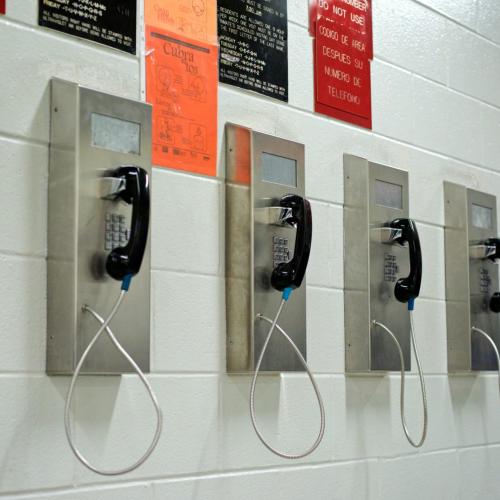
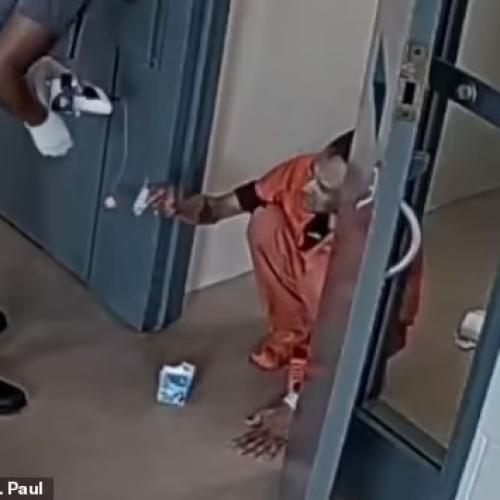
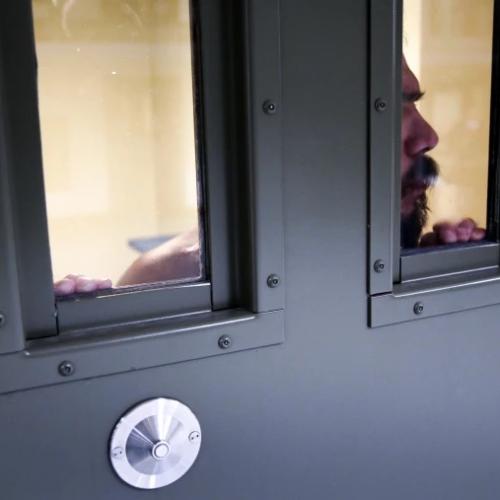
The FBI has launched an investigation of the Corrections Corporation of America over the company's running of an Idaho prison with a reputation so violent that inmates dubbed it "Gladiator School." CCA has operated Idaho's largest prison for more than a decade, but last year, CCA officials acknowledged it had understaffed the Idaho Correctional Center by thousands of hours in violation of the state contract. CCA also said employees falsified reports to cover up the vacancies. The announcement came after an Associated Press investigation showed CCA sometimes listed guards as working 48 hours straight to meet minimum staffing requirements. The understaffing has been the subject of federal lawsuits and a contempt of court action against CCA. The ACLU sued on behalf of inmates at the Idaho Correctional Center in 2010, saying the facility was so violent that inmates called it "Gladiator School" and that understaffing contributed to the high levels of violence there. In 2012, a Boise law firm sued on behalf of inmates contending that CCA had ceded control to prison gangs so that they could understaff the prison and save money on employee wages, and that the understaffing led to an attack by one prison gang on another group of inmates that left some of them badly injured.
Note: If the above link fails, use this one for the same Associated Press article covering prisons corruption on the website of the UK's Guardian. For more on corruption in the prison-industrial complex, see the deeply revealing reports from reliable major media sources available here.
Consumers are being sold food including mozzarella that is less than half real cheese, ham on pizzas that is either poultry or "meat emulsion", and frozen prawns that are 50% water, according to tests by a public laboratory. The checks on hundreds of food samples, which were taken in West Yorkshire, revealed that more than a third were not what they claimed to be, or were mislabelled in some way. Testers also discovered beef mince adulterated with pork or poultry, and even a herbal slimming tea that was neither herb nor tea but glucose powder laced with a withdrawn prescription drug for obesity at 13 times the normal dose. A third of fruit juices sampled were not what they claimed or had labelling errors. Two contained additives that are not permitted in the EU, including brominated vegetable oil, which is designed for use in flame retardants and linked to behavioural problems in rats at high doses. Experts said they fear the alarming findings from 38% of 900 sample tests by West Yorkshire councils were representative of the picture nationally, with the public at increasing risk as budgets to detect fake or mislabelled foods plummet. In one case, tests revealed that the "vodka" had been made not from alcohol derived from agricultural produce, as required, but from isopropanol, used in antifreeze and as an industrial solvent. Many of the samples were collected from fast-food restaurants, independent retailers and wholesalers; some were from larger stores and manufacturers.
Note: For more on corporate corruption, see the deeply revealing reports from reliable major media sources available here.
On Dec. 23, 1913, President Woodrow Wilson signed the Owen Glass Act, creating the Federal Reserve. As we note its centennial, what has the Fed accomplished during the last 100 years? The stated original purposes were to protect the soundness of the dollar and banks and also to lessen the jarring ups and downs of the business cycle. Oops. Under the Feds supervision, boom and bust cycles have continued. Three of them have been severe: the Great Depression, the stagflationary period of 1974-82, and the current Great Recession. Bank failures have occurred in alarmingly high numbers. Depending on what measurements are used, the dollar has lost between 95 and 98 percent of its purchasing power. (Amazingly, the Feds official position today is that inflation is not high enough, so the erosion of the dollar continues as a matter of policy.) Having failed to achieve its original goals, the Fed also has had a miserable record in accomplishing later goals. The 1970 amendments to the Federal Reserve Act stipulated that the Fed should promote effectively the goals of maximum employment, stable prices, and moderate long-term interest rates. In baseball parlance, the Fed has been 0-for-three. So, what has the Fed accomplished during its century of existence? Well, it has become adept at bailing out mismanaged banks. In the aftermath of the 2008 financial crisis, the Fed orchestrated the big bailout of Wall Street. Politically, the Fed is repugnant. Its chairman is commonly referred to as the second most powerful person in the country. In a democratic republic, should the second most powerful policymaker be unelected?
Note: How remarkable for Forbes to publish an article chastising the Fed! The times are a changin'! For an essay by noted financial researcher Ellen Brown on this occasion, click here. For more on the collusion between government and the biggest banks, see the deeply revealing reports from reliable major media sources available here.
My first year on Wall Street, 1993, I was paid 14 times more than I earned the prior year and three times more than my father's best year. For that money, I helped my company create financial products that were disguised to look simple, but which required complex math to properly understand. That first year I was roundly applauded by my bosses, who told me I was clever, and to my surprise they gave me $20,000 bonus beyond my salary. When I did ask, rather naively, if this was all kosher, I would be assured multiple times that multiple lawyers and multiple managers had approved the sales. One senior trader, consoling me late at night, reminded me, You are playing in the big leagues now. If a customer wants a red suit, you sell them a red suit. If that customer is Japanese, you charge him twice what it costs. Being paid very well also helped ease any of my concerns. Feeling guilty, kid? Here take a big check. I was, for the first time in my life, feeling valued for my math skills. Ego and money are nice salves for any potential feeling of guilt. After a few years on Wall Street it was clear to me: you could make money by gaming anyone and everything. The more clever you were, the more ingenious your ability to exploit a flaw in a law or regulation, the more lauded and celebrated you became. Nobody seemed to be getting called out. No move was too audacious. Traders got more and more audacious, and corruption became more and more diffused through the system. By 2006 you could open up almost any major business, look at its inside workings, and find some wrongdoing.
Note: For more on financial corruption, see the deeply revealing reports from reliable major media sources available here.
Tons of contaminated groundwater from the stricken Fukushima nuclear plant have overwhelmed an underground barrier and are emptying daily into the Pacific, creating what a top regulator has called a crisis. The water contains strontium and cesium, as well as tritium. The plant was already struggling to store hundreds of thousands of tons of contaminated water that flowed through the buildings housing three reactors where [three] meltdowns occurred in 2011. But the contamination in this new groundwater problem is from different sources, Tepco said. The company has admitted that it failed to respond quickly enough to the latest groundwater contamination, saying it was preoccupied with more pressing issues like cooling the damaged reactors. Tepco appears overwhelmed in dealing with what is a very serious problem, said Akio Yamamoto, a professor of nuclear engineering at Nagoya University, who serves as outside expert for the Nuclear Regulation Authority, Japans nuclear watchdog. Critics contend that the plant has emitted far more radioactive materials than it is saying, based in part on levels of contaminants discovered in the harbor, which are well above safe levels in some places. The contamination appears to be spreading, with tests last month by Tepco showing high levels of tritium and other radioactive elements like strontium starting at other locations near the two other crippled reactors.
Note: Declaring the situation an "emergency", the Japanese government has stepped in to take over control of the response from Tepco. For more on this, click here. For a National Geographic article on what you need to know about the radioactive contamination of the Pacific Ocean by the Fukushima disaster, click here. It reports that scientists have estimated that contaminated seawater could reach the West Coast of the United States in five years or less. For more on the environmental devastation of nuclear power, see the deeply revealing reports from reliable major media sources available here.
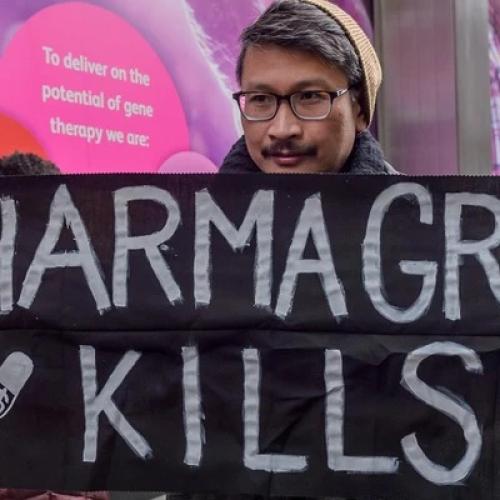
Recent news out of China raises the question once again of whether any aspect of the pharmaceutical business can be trusted. First, Chinese authorities announced they were investigating GlaxoSmithKline and other pharma companies for bribing doctors, hospitals and government officials to buy and prescribe their drugs. Glaxo is accused of using a Shanghai travel agency to funnel at least $489 million in bribes. Then the New York Times revealed last week the alarming news that an internal Glaxo audit found serious problems with the way research was conducted at the companys Shanghai research and development center. Last year Glaxo paid $3 billion to resolve civil and criminal allegations of, among other things, marketing widely used prescription drugs for unapproved treatments and using kickbacks to promote sales. Glaxo is a leader in pharma fraud and wrongdoing, with other industry heavyweights close behind. Over the past decade, whistleblowers and government investigations in the US have exposed a never-ending series of problems by numerous pharma companies in all facets of the industry, starting with fraudulent research papers used to bolster marketing and continuing through to the manufacture of contaminated and defective products, the marketing of drugs for unapproved and life-threatening uses and the mispricing of prescription drugs. Pharma ... has paid more than $30.2 billion in civil and criminal penalties to the US and state governments and continues to face more allegations of wrongdoing. The industry despite huge penalties and a long string of public mea culpas has a fraud habit that is just too profitable to kick. Finding a cure should be a top priority of regulators worldwide.
Note: For more on pharmaceutical industry corruption, see the deeply revealing reports from reliable major media sources available here.
It's long been suspected that ratings agencies like Moody's and Standard & Poor's helped trigger the meltdown. A new trove of embarrassing documents shows how they did it. Everybody else got plenty of blame: the greed-fattened banks, the sleeping regulators, the unscrupulous mortgage hucksters. But what about the ratings agencies? Thanks to a mountain of evidence gathered for a pair of major lawsuits by the San Diego-based law firm Robbins Geller Rudman & Dowd, ... we now know that the nation's two top ratings companies, Moody's and S&P, have for many years been shameless tools for the banks, willing to give just about anything a high rating in exchange for cash. In incriminating e-mail after incriminating e-mail, executives and analysts from these companies are caught admitting their entire business model is crooked. Ratings agencies are the glue that ostensibly holds the entire financial industry together. Their primary function is to help define what's safe to buy, and what isn't. But the financial crisis happened because AAA ratings stopped being something that had to be earned and turned into something that could be paid for. The Financial Crisis Inquiry Commission published a case study in 2011 of Moody's in particular and discovered that between 2000 and 2007, the agency gave nearly 45,000 mortgage-backed securities AAA ratings. One year Moody's doled out AAA ratings to 30 mortgage-backed securities every day, 83 percent of which were ultimately downgraded. "This crisis could not have happened without the rating agencies," the commission concluded.
Note: This is another great, well researched article by Rolling Stone's Matt Taibbi. Why isn't the major media coming up with anything near the quality of this man's work? For deeply revealing reports from reliable major media sources on financial corruption, click here.
Europes decision to force depositors in Cypriot banks to share in the cost of the latest euro zone bailout has sparked outrage in Cyprus and fears that a run on deposits over the weekend might spread to larger countries at risk like Spain and Italy. Under an emergency deal reached early Saturday in Brussels, a one-time tax of 9.9 percent is to be levied on Cypriot bank deposits of more than 100,000 euros, or $130,000, effective [March 19]. That will hit wealthy depositors mostly Russians who have put vast sums into Cypruss banks in recent years. But smaller deposits will also be taxed, at 6.75 percent, meaning that the banks will be confiscating money directly from retirees and ordinary workers to help pay the tab for the 10 billion euro bailout or $13 billion. Most of the 10 billion euros will go to bail out Cypriot banks, which took a blow when their substantial holdings of Greek government bonds were written down as part of that countrys second bailout. The islands banks are also laden with loans made to Greek companies and individuals, which have turned sour as Greece endures its fourth year of economic and financial crisis. The "deposit tax", which is expected to raise 5.8 billion euros, was part of a bailout agreement ... among finance ministers from euro countries and representatives of the International Monetary Fund and the European Central Bank. The Cypriot bailout follows those for Greece, Portugal, Ireland and the Spanish banking sector and is the first where bank depositors will be touched.
Note: What gives anyone the right to seize the deposits of ordinary bank account holders? Is this the first step towards establishing a precedent for governments to seize anything they want from ordinary citizens? For a report indicating that the Cypriot people may not take this attack lying down, click here.
New documents prove what was once dismissed as paranoid fantasy: totally integrated corporate-state repression of dissent. It was more sophisticated than we had imagined: new documents show that the violent crackdown on Occupy last fall so mystifying at the time was not just coordinated at the level of the FBI, the Department of Homeland Security, and local police. The crackdown, which involved, as you may recall, violent arrests, group disruption, canister missiles to the skulls of protesters, people held in handcuffs so tight they were injured, people held in bondage till they were forced to wet or soil themselves was coordinated with the big banks themselves. The Partnership for Civil Justice Fund, in a groundbreaking scoop that should once more shame major US media outlets (why are nonprofits now some of the only entities in America left breaking major civil liberties news?), filed this request. The document reproduced here in an easily searchable format shows a terrifying network of coordinated DHS, FBI, police, regional fusion center, and private-sector activity so completely merged into one another that the monstrous whole is, in fact, one entity: in some cases, bearing a single name, the Domestic Security Alliance Council. And it reveals this merged entity to have one centrally planned, locally executed mission. The documents, in short, show the cops and DHS working for and with banks to target, arrest, and politically disable peaceful American citizens.
Note: For analysis of these amazing documents revealing the use of joint government and corporate counterterrorism structures against peaceful protestors of financial corruption, click here and here. For a Democracy Now! video segment on this, click here.
The US is the world's largest prison state, imprisoning more of its citizens than any nation on earth, both in absolute numbers and proportionally. It imprisons people for longer periods of time, more mercilessly, and for more trivial transgressions than any nation in the west. This sprawling penal state has been constructed over decades, by both political parties, and it punishes the poor and racial minorities at overwhelmingly disproportionate rates. But not everyone is subjected to that system of penal harshness. It all changes radically when the nation's most powerful actors are caught breaking the law. With few exceptions, they are gifted not merely with leniency, but full-scale immunity from criminal punishment. Thus have the most egregious crimes of the last decade been fully shielded from prosecution when committed by those with the greatest political and economic power: the construction of a worldwide torture regime, spying on Americans' communications without the warrants required by criminal law by government agencies and the telecom industry, an aggressive war launched on false pretenses, and massive, systemic financial fraud in the banking and credit industry that triggered the 2008 financial crisis. This two-tiered justice system was the subject of [the] book, With Liberty and Justice for Some. On Tuesday, not only did the US Justice Department announce that HSBC would not be criminally prosecuted, but outright claimed that the reason is that they are too important, too instrumental to subject them to such disruptions.
Note: For deeply revealing reports from reliable major media sources on government corruption, click here.
When the people of Greece saw their democratically elected Prime Minister George Papandreou forced out of office in November of 2011 and replaced by an unelected Conservative technocrat, Lucas Papademos, most were unaware of the bigger picture of what was happening. Most of us in the United States were [equally] ignorant when, in 2008, [Congress] voted yes at the behest of Bush's Treasury Secretary Henry Paulsen and jammed through the biggest bailout of Wall Street in our nations history. But now, as the Bank of England ... announces that former investment banker Mark Carney will be its new chief, we cant afford to ignore whats happening around the world. Steadily and stealthily Goldman Sachs is carrying out a global coup detat. Theres one tie that binds Lucas Papademos in Greece, Henry Paulsen [and Timothy Geithner] in the United States, and Mark Carney in the U.K., and thats Goldman Sachs. All were former bankers and executives at the Wall Street giant, all assumed prominent positions of power, and all played a hand after the global financial meltdown of 2007-08, thus making sure Goldman Sachs weathered the storm and made significant profits in the process. As Europe descends [into] economic crisis, Goldman Sachs's people are managing the demise of the continent. As the British newspaper The Independent reported earlier this year, the Conservative technocrats currently steering or who have steered post-crash fiscal policy in Greece, Germany, Italy, Belgium, France, and now the UK, all hail from Goldman Sachs. In fact, the head of the European Central Bank itself, Mario Draghi, was the former managing director of Goldman Sachs International.
Note: Once again truth-out.org carries this important article and vital information which no major media has covered. Strangely, the entire website went down for a while not long after the article was published. If the article cannot be found at the link above, click here. For deeply revealing reports from reliable major media sources on financial corruption, click here.
Californias Proposition 37, which would require that genetically modified (G.M.) foods carry a label, has the potential ... to change the politics of food not just in California but nationally too. Genetically modified foods dont offer the eater any benefits whatsoever only a potential, as yet undetermined risk. Monsanto and its allies have fought the labeling of genetically modified food ... vigorously since 1992, when the industry managed to persuade the [F.D.A.] over the objection of its own scientists that the new crops were substantially equivalent to the old and so did not need to be labeled, much less regulated. The F.D.A. policy was co-written by a lawyer whose former firm worked for Monsanto. More than 60 other countries have seen fit to label genetically modified food, including those in the European Union, Japan, Russia and China. Monsanto and DuPont, the two leading merchants of genetically modified seed, have invested more than $12 million to defeat Prop 37. Americans have been eating genetically engineered food for 18 years, and as supporters of the technology are quick to point out, we dont seem to be dropping like flies. But they miss the point. The fight over labeling G.M. food is not foremost about food safety or environmental harm, legitimate though these questions are. The fight is about the power of Big Food. Monsanto has become the symbol of everything people dislike about industrial agriculture: corporate control of the regulatory process; lack of transparency (for consumers) and lack of choice (for farmers); an intensifying rain of pesticides; and the monopolization of seeds, which is to say, of the genetic resources on which all of humanity depends.
Note: To learn more about the revolving door between Monsanto and the FDA, click here. To read about many suppressed scientific studies which showed the GM foods were often harmful and sometimes even lethal to a variety of lab animals, click here. To watch a powerful video showing clearly how Monsanto has attacked those who will not use their GM seeds, click here.
Johnson & Johnson, the company that makes the antipsychotic drug Risperdal, has tentatively agreed to a settlement of $2.2 billion to resolve a federal investigation into the companys marketing practices. Johnson & Johnson confidentially paid psychiatrists such as Harvards Joseph Biederman to promote adult drugs such as the powerful antipsychotic drug Risperdal for children. The company has even ghost-written at least one of the Harvard professors scientific articles. Another recent DOJ settlement with drug company GlaxoSmithKline resulted in Glaxos agreement to pay $3 billion in criminal and civil fines. GlaxoSmithKline employed several tactics aimed at promoting the use of [Paxil] in children, including helping to publish a medical journal article that misreported data from a clinical trial. GlaxoSmithKline also secretly paid about $500,000 to psychiatrist Charles Nemeroff ... to promote Paxil. Glaxo even ghostwrote a psychopharmacology textbook for family doctors, who write many prescriptions for children, which was coauthored by Nemeroff and psychiatrist Alan Schatzberg. None of these drug-company-bought psychiatrists has suffered serious consequences. Meanwhile, the DOJ has now enforced a total of $8.9 billion in criminal and civil fines against GlaxoSmithKline, Pfizer, Eli Lilly, and Johnson & Johnson. Stimulants, antidepressants and antipsychotic drugs are very harmful to the brain. The health professions would do far more good stopping the drugging of children than continuing or increasing it.
Note: The above was written by Peter Breggin, MD, author of the book, "Psychiatric Drug Withdrawal: A Guide for Prescribers, Therapists, Patients and Their Families" For more along these lines, see concise summaries of deeply revealing Big Pharma corruption news articles from reliable major media sources.
Regulators on both sides of the Atlantic failed to act on clear warnings that the Libor interest rate was being falsely reported by banks during the financial crisis, it emerged last night. A cache of documents released yesterday by the New York Federal Reserve showed that US officials had evidence from April 2008 that Barclays was knowingly posting false reports about the rate at which it could borrow in order to assuage market concerns about its solvency. An unnamed Barclays employee told a New York Fed analyst, Fabiola Ravazzolo, on 11 April 2008: "So we know that we're not posting, um, an honest Libor." He said Barclays started under-reporting Libor because graphs showing the relatively high rates at which the bank had to borrow attracted "unwanted attention" and the "share price went down". The verbatim note of the call released by the Fed represents the starkest evidence yet that Libor-fiddling was discussed in high regulatory circles years before Barclays' recent 290m fine. The New York Fed said that, immediately after the call, Ms Ravazzolo informed her superiors of the information, who then passed on her concerns to Tim Geithner, who was head of the New York Fed at the time. Mr Geithner investigated and drew up a six-point proposal for ensuring the integrity of Libor which he presented to the British Bankers Association, which is responsible for producing the Libor rate daily. Mr Geithner, who is now US Treasury Secretary, also forwarded the six-point plan to the Governor of the Bank of England, Sir Mervyn King.
Note: For deeply revealing reports from reliable major media sources on regulatory and financial corruption and criminality, click here. For our highly revealing Banking Corruption Information Center, click here.
Motorists may have been paying too much for their petrol because banks and other traders are likely to have tried to manipulate oil prices in the same way they rigged interest rates, an official report has warned. Concerns are growing about the reliability of oil prices, after a report for the G20 found the market is wide open to manipulation or distortion. Traders from banks, oil companies or hedge funds have an incentive to distort the market and are likely to try to report false prices, it said. Petrol retailers use oil price benchmarks to decide how much to pay for future supplies. The rate is calculated by data companies based on submissions from firms which trade oil on a daily basis such as banks, hedge funds and energy companies. However, like Libor ... the market is unregulated and relies on the honesty of the firms to submit accurate data about all their trades. This is one of the major concerns raised in the G20 report, published last month by the International Organisation of Securities Commissions (IOSCO). In the study for global finance ministers, including George Osborne, the regulator warns that traders have opportunities to influence oil prices for their own profit. It points out that the whole market is voluntary, meaning banks and energy companies can choose which trades to make public. IOSCO says this creates opportunity for a trader to submit a partial picture in order to influence the [price] to the traders advantage.
Note: For deeply revealing reports from reliable major media sources on regulatory and financial corruption and criminality, click here.
The pharmaceutical group GlaxoSmithKline has been fined $3bn (1.9bn) after admitting bribing doctors and encouraging the prescription of unsuitable antidepressants to children. The company encouraged sales reps in the US to mis-sell three drugs to doctors and lavished hospitality and kickbacks on those who agreed to write extra prescriptions. The company admitted corporate misconduct over the antidepressants Paxil and Wellbutrin and asthma drug Advair. GSK also paid for articles on its drugs to appear in medical journals and "independent" doctors were hired by the company to promote the treatments. Paxil which was only approved for adults was promoted as suitable for children and teenagers by the company despite trials that showed it was ineffective. Children and teenagers are only treated with antidepressants in exceptional circumstances due to an increased risk of suicide. The second drug to be mis-sold was Wellbutrin another antidepressant aimed only at adults. The prosecution said the company paid $275,000 to Dr Drew Pinsky, who hosted a popular radio show, to promote the drug on his programme, in particular for unapproved uses. US attorney Carmin Ortiz said: "The sales force bribed physicians to prescribe GSK products using every imaginable form of high-priced entertainment, from Hawaiian vacations [and] paying doctors millions of dollars to go on speaking tours, to tickets to Madonna concerts." Despite the large fine, $3bn is far less than the profits made from the drugs.
Note: In February 2016, GlaxoSmithKline was fined another $53 million by the UK for preventing generic competition. The list of huge fines to top drug companies includes five fines of over $1 billion and dozens over $100 million. How can we trust these companies on the safety and reliability of their products?
A scandal over the rigging of key interest rates could plunge the global banking industry into a legal morass for years, analysts said. The head of the Bank of England said there needed to be "real change" in the industry's culture. Referring to what he called the "deceitful manipulation" of rates, Mervyn King told a news conference [that] the London Interbank Offer Rate (LIBOR) should be reformed to reflect actual market transactions. U.S. and British authorities fined Barclays $453 million on Wednesday for manipulating LIBOR, which underpins some $360 trillion of loans and financial contracts around the world - and analysts forecast more banks would soon be named for collusion. Others predicted Barclays and other banks could face billions in costs from litigation, especially in the United States, in much the same way that oil major BP ran into drawn-out legal rows over its oil spill. Barclays was the first bank to settle in an investigation which is looking at other large financial institutions in Europe, Japan and North America.
Note: This article states that LIBOR underpins some $360 trillion of loans and financial contracts around the world. That's $50,000 for every man, woman, and child on this planet. And it is being hugely manipulated. For more vitally important information on this, learn about the huge amounts of derivatives being manipulated at this link and explore the excellent, reliable information in our Banking Corruption Information Center available here.
Today is my last day at Goldman Sachs. Over the course of my career I have had the privilege of advising two of the largest hedge funds on the planet [and] five of the largest asset managers in the United States. My clients have a total asset base of more than a trillion dollars. After almost 12 years at the firm ... I believe I have worked here long enough to understand ... its culture, its people and its identity. And I can honestly say that the environment now is as toxic and destructive as I have ever seen it. To put the problem in the simplest terms, the interests of the client continue to be sidelined in the way the firm operates and thinks about making money. Today, if you make enough money for the firm (and are not currently an ax murderer) you will be promoted into a position of influence. What are three quick ways to become a leader? a) Execute on the firm's "axes," which is Goldman-speak for persuading your clients to invest in the stocks or other products that we are trying to get rid of because they are not seen as having a lot of potential profit. b) "Hunt Elephants." In English: get your clients -- some of whom are sophisticated, and some of whom aren't -- to trade whatever will bring the biggest profit to Goldman. c) Find yourself sitting in a seat where your job is to trade any illiquid, opaque product with a three-letter acronym. I attend derivatives sales meetings where not one single minute is spent asking questions about how we can help clients. It's purely about how we can make the most possible money off of them.
Note: The author of this article, Greg Smith, was a Goldman Sachs executive director and head of the firms United States equity derivatives business in Europe, the Middle East and Africa. For an excellent compilation of news articles and government documents showing the huge risk of the derivatives bubble being manipulate by Goldman Sachs and others, click here.
In 2006 ... the Centers for Disease Control and Prevention in Atlanta and the World Health Organization in Geneva warned of the imminent onset of an avian flu "pandemic" of lethal proportions. The pandemic never occurred. After reviewing studies of Tamiflu during the avian flu scare, Dr. Tom Jefferson ... had concluded in a 2006 report that the drug was effective. "But," said the article, "several years later, another physician challenged that conclusion because 8 of 10 studies in a meta-analysis a review of studies that Jefferson relied on had never been published." That prompted Jefferson to seek the raw data. "He was stymied when several authors and the manufacturer gave one excuse after another for why it couldn't supply the actual data. Jefferson's concern turned to outrage when two employees of a communications company [revealed] they had been paid to ghostwrite some of the Tamiflu studies [and] had been given explicit instructions to ensure that a key message was embedded in the articles: Flu is a threat, and Tamiflu is the answer. "After reanalyzing the raw data finally made available (they still don't have it all), Jefferson and his colleagues published their review [in December 2009], saying that once the unpublished studies were excluded, there was no proof that Tamiflu reduced serious flu complications like pneumonia or death." In short, it appears the pharmaceutical companies had been as cunning in conning the public on matters of health as Wall Street had been on matters of wealth.
Note: For powerful media reports suggesting that both the Avian Flu and Swine Flu were incredibly manipulated to promote fear and boost pharmaceutical sales, click here. For lots more from reliable sources on pharmaceutical corruption, click here.
Americans have never much liked government. After all, the nation was conceived in a revolution against government. But the surge of cynicism engulfing America isn't about how big government has become. It's a growing perception that our government is no longer working for average people. It's for big business, Wall Street and the very rich. The richest Americans are taking home a bigger share of total income than at any other time since the 1920s. Their tax payments are down because the Bush tax cuts reduced their top rates to the lowest level in more than half a century, and cut capital gains taxes to 15 percent. Congress hasn't even closed a loophole that allows mutual-fund and private-equity managers to treat their incomes as capital gains. So the 400 richest Americans, whose total wealth exceeds the combined wealth of the bottom 150 million Americans put together, pay an average of 17 percent of their income in taxes. That's lower than the tax rates of most day laborers. And the share of revenues coming from corporations has been dropping. The biggest, like GE, find ways to pay no federal taxes at all. Many shelter their income abroad, and every few years Congress grants them a tax amnesty to bring the money home. Get it? "Big government" isn't the problem. The problem is the big money that's taking over government. Government is doing less of the things most of us want it to do ... and more of the things big corporations, Wall Street and the wealthy want it to do.
Note: The author of this analysis, Robert Reich, is a former U.S. secretary of labor, is professor of public policy at UC Berkeley and the author of Aftershock: The Next Economy and America's Future. He blogs at www.robertreich.org.
Important Note: Explore our full index to revealing excerpts of key major media news articles on several dozen engaging topics. And don't miss amazing excerpts from 20 of the most revealing news articles ever published.



