
























































Health News Articles
Below are key excerpts of revealing news articles on health from reliable news media sources. If any link fails to function, a paywall blocks full access, or the article is no longer available, try these digital tools.
For further exploration, delve into our comprehensive Health and Food Corruption Information Center.

On Wednesday, a Turin, Italy court of appeals agreed with a 2017 lower court ruling stating that excessive mobile phone usage causes brain tumors. "There are solid elements to affirm a causal role between the exposure of the person to radio frequencies from mobile phones and the disease that arose," read the ruling in part, translation from Italian provided by The Guardian. The case in question was filed by former Telecom Italia worker Roberto Romeo, 59, against Italy's National Institute for Insurance Against Workplace Accidents (INAIL), a national insurance provider. Romeo testified that he used cell phones for four to five hours daily during the average work week. He was employed by Telecom Italia for 15 years before he was diagnosed with a benign tumor, neurinoma of the acoustic nerve. He contracted meningitis after the removal of the nerve, as well as suffering damage to 23 percent of his other bodily functions. In the initial ruling, INAIL was ordered to compensate Romeo 500 ($557.42 in U.S. dollars) monthly for the rest of his life. INAIL appealed the decision. The court did not allow lawyers for INAIL to submit studies to the court which were financially supported by telecom companies. Two court-appointed doctors subsequently provided testimony for Romeo's case during the appeals process, producing studies which declared that individuals who spoke on their phones for an average of 30 minutes a day ... increased their risk of developing head tumors. The ruling from the appeals court ordered INAIL to compensate Romeo.
Note: For more information, see this excellent article. For more along these lines, see concise summaries of deeply revealing news articles on the dangers of wireless technologies from reliable major media sources.
On 28 March this year, the scientific peer review of a landmark United States government study concluded that there is clear evidence that radiation from mobile phones causes cancer, specifically, a heart tissue cancer in rats that is too rare to be explained as random occurrence. The study, which was done by the National Toxicology Program of the US Department of Health and Human Services and ranks among the largest conducted of the health effects of mobile phone radiation. NTP scientists had exposed thousands of rats and mice (whose biological similarities to humans make them useful indicators of human health risks) to doses of radiation equivalent to an average mobile users lifetime exposure. The peer review scientists repeatedly upgraded the confidence levels the NTPs scientists and staff had attached to the study, fuelling critics suspicions that the NTPs leadership had tried to downplay the findings. Thus the peer review also found some evidence one step below clear evidence of cancer in the brain and adrenal glands. The Internet of Things will require augmenting todays 4G technology with 5G technology, thus massively increasing the general populations exposure to radiation, according to a petition signed by 236 scientists worldwide who have published more than 2,000 peer-reviewed studies and represent a significant portion of the credentialled scientists in the radiation research field, according to Joel Moskowitz ... at the University of California.
Note: Read also an excellent article showing how the wireless industry has been campaigning all out to erase any information that cell phones and wireless might be dangerous. Also worthy of attention is a Harvard study titled "How the Federal Communications Commission Is Dominated by the Industries It Presumably Regulates". For more along these lines, see concise summaries of deeply revealing news articles on the risks and dangers of wireless technologies.
[A] symposium – on the reproducibility and reliability of biomedical research, held at the Wellcome Trust in London last week – touched on one of the most sensitive issues in science today: the idea that something has gone fundamentally wrong. The case against science is straightforward: much of the scientific literature, perhaps half, may simply be untrue. Afflicted by studies with small sample sizes, tiny effects, invalid exploratory analyses, and flagrant conflicts of interest, together with an obsession for pursuing fashionable trends of dubious importance, science has taken a turn towards darkness. In their quest for telling a compelling story, scientists too often sculpt data to fit their preferred theory of the world. Journal editors deserve their fair share of criticism too. We aid and abet the worst behaviours. Journals are not the only miscreants. Universities are in a perpetual struggle for money and talent, endpoints that foster reductive metrics. National assessment procedures ... incentivise bad practices. And individual scientists, including their most senior leaders, do little to alter a research culture that occasionally veers close to misconduct. Part of the problem is that no-one is incentivised to be right. Instead, scientists are incentivised to be productive. The conclusion of the symposium was that something must be done. The good news is that science is beginning to take some of its worst failings very seriously. The bad news is that nobody is ready to take the first step to clean up the system.
Note: The Lancet is considered by many to be the most prestigious medical journal in the world. If the editor-in-chief of the Lancet is making these comments, who can we trust? Can we really "trust the science?" Read a powerfully revealing essay by former editor-in-chief of the New England Journal of Medicine Marcia Angell on how the drug companies blatantly manipulate science for profit.
The World Health Organization [is facing] charges that the agency deliberately fomented swine flu hysteria. The Parliamentary Assembly of the Council of Europe (PACE) ... is publicly investigating the WHO's motives in declaring a pandemic. The chairman of its influential health committee, epidemiologist Wolfgang Wodarg, has declared that the "false pandemic" is "one of the greatest medicine scandals of the century." Even within the agency, the director of the WHO Collaborating Center for Epidemiology ... Dr. Ulrich Kiel, has essentially labeled the pandemic a hoax. "We are witnessing a gigantic misallocation of resources [$18 billion so far] in terms of public health," he said. The pandemic declaration [reflects] sheer dishonesty motivated not by medical concerns but political ones. Unquestionably, swine flu has proved to be vastly milder than ordinary seasonal flu. It kills at a third to a tenth the rate, according to [CDC] estimates. Did the WHO have any indicators of this mildness when it declared the pandemic in June? Absolutely. We were then fully 11 weeks into the outbreak and swine flu had only killed 144 people worldwide--the same number who die of seasonal flu worldwide every few hours. (An estimated 250,000 to 500,000 per year by the WHO's own numbers.) The agency was losing credibility over the refusal of avian flu H5N1 to go pandemic and kill as many as 150 million people worldwide, as its "flu czar" had predicted in 2005. Around the world nations heeded the warnings and spent vast sums developing vaccines and making other preparations. So when swine flu conveniently trotted in, the WHO essentially crossed out "avian," inserted "swine."
Note: Forbes removed this article from their website once it gained attention. In this intriguing 11-minute video, epidemiologist Dr. Wodarg questions the validity of the Coronavirus numbers and explains how fear and manipulation have greatly exaggerated the fear around this virus. Explore extensive, eye-opening coverage from reliable sources revealing how the swine and avian flu "pandemics" were designed for corporate profit. For more along these lines, see concise summaries of deeply revealing news articles on the coronavirus from reliable major media sources.
There’s a hidden ingredient used as a whitener in an array of foods. It’s called titanium dioxide, and while commonly used in the US, it’s being banned in the EU as a possible carcinogen. The additive, also known as E171, joins a host of other chemicals that are banned in foods in the European Union but allowed in the US. These include Azodicarbonamide, a whitening agent found in food such as breads, bagels, pizza, and pastries in the US, which has been banned in the EU for more than a decade. The additive has been linked to asthma and respiratory issues in exposed workers and, when baked, to cancer in mice studies. The Food and Drug Administration classifies these food chemicals, and many others prohibited by the EU, as “generally recognized as safe”. Chemical safety processes in the EU and US work in starkly different ways. Where European policy tends to take a precautionary approach – trying to prevent harm before it happens – the US is usually more reactive. And while the EU has consistently updated its methods and processes for evaluating new chemicals, some experts say the US system, set up more than half a century ago, needs updating. In the case of additives like titanium dioxide, manufacturers petition the FDA for its approval by submitting evidence that the substance is safe for its intended use. The FDA evaluates the application, and will authorize the additive if it concludes the data provided demonstrates that the substance is safe to use.
Note: Unlike other countries, the U.S. is known to raise objections to the regulation of toxic chemicals in our food, with its regulatory agencies having deep financial ties to powerful food and agrichemical industries. For more along these lines, see concise summaries of deeply revealing news articles on food system corruption from reliable major media sources.
The end of humankind? It may be coming sooner than we think, thanks to hormone-disrupting chemicals that are decimating fertility at an alarming rate around the globe. A new book called Countdown, by Shanna Swan, an environmental and reproductive epidemiologist ... finds that sperm counts have dropped almost 60% since 1973. Following the trajectory we are on, Swan’s research suggests sperm counts could reach zero by 2045. Zero. Let that sink in. That would mean no babies. No reproduction. No more humans. Forgive me for asking: why isn’t the UN calling an emergency meeting on this right now? The chemicals to blame for this crisis are found in everything from plastic containers and food wrapping, to waterproof clothes and fragrances in cleaning products, to soaps and shampoos, to electronics and carpeting. Some of them, called PFAS, are known as “forever chemicals”, because they don’t breakdown in the environment or the human body. They just accumulate and accumulate – doing more and more damage. Swan’s book is staggering in its findings. “In some parts of the world, the average twentysomething woman today is less fertile than her grandmother was at 35,” Swan writes. In addition to that, Swan finds that, on average, a man today will have half of the sperm his grandfather had. Given everything we know about these chemicals, why isn’t more being done? Right now, there is a paltry patchwork of inadequate legislation responding to this threat.
Note: For more along these lines, see concise summaries of deeply revealing news articles on corporate corruption and health from reliable major media sources.
A new peer-reviewed study shows that eating a completely organic diet - even for just one week - can dramatically reduce the presence of pesticide levels in people, a finding that was characterized as "groundbreaking" by critics of an industrial food system that relies heavily on synthetic toxins and chemicals to grow crops and raise livestock. The study ... found that switching to an organic diet significantly reduced the levels of synthetic pesticides found in all participants. "This study shows that organic works," said study co-author Kendra Klein, PhD. The study tested the urine of four diverse American families ... after eating their typical diet of conventional food for six days and then after a controlled diet of all organic food for six days. The pesticide and pesticide metabolite levels detected in participants dropped by an average 60.5 percent after just six days of eating the all-organic diet. Specifically, the testing showed significant reductions in pesticides associated in the past with increased risk of autism, cancers, autoimmune disorders, infertility, hormone disruption, Alzheimer's, and Parkinson's disease. "This important study shows how quickly we can rid our bodies of toxic pesticides by choosing organic," said [study co-author] Sharyle Patton. "Congratulations to the families who participated in the study and their willingness to tell their stories in support of creating a food system where organic is available to all."
Note: Watch an engaging video on this study at the link above. Explore a treasure trove of concise summaries of incredibly inspiring news articles which will inspire you to make a difference.
Vaccination prices have gone from single digits to sometimes triple digits in the last two decades, creating dilemmas for doctors and their patients as well as straining public health budgets. Some doctors have stopped offering immunizations because they say they cannot afford to buy these potentially lifesaving preventive treatments that insurers often reimburse poorly, sometimes even at a loss. Childhood immunizations are so vital to public health that the Affordable Care Act mandates their coverage at no out-of-pocket cost and they are generally required for school entry. Old vaccines have been reformulated with higher costs. New ones have entered the market at once-unthinkable prices. Together, since 1986, they have pushed up the average cost to fully vaccinate a child with private insurance to the age of 18 to $2,192 from $100, according to data from the Centers for Disease Control and Prevention. The costs for the federal government, which buys half of all vaccines for the nations children, have increased 15-fold during that period. The most expensive shot for young children ... is Prevnar 13, which prevents diseases caused by pneumococcal bacteria, from ear infections to pneumonia. Each shot is priced at $136, and most states require children to get four doses before entering day care or preschool. Pfizer, the sole manufacturer, had revenues of nearly $4 billion from its Prevnar vaccine line last year.
Note: Read an excellent article on how big Pharma is raking in the big bucks on vaccines which haven't even been adequately tested for safety. For more along these lines, see concise summaries of deeply revealing news articles on pharmaceutical industry corruption and vaccine controversies from reliable major media sources.
One of the most interesting health research projects of the past decade or so has looked at how exactly exercise makes us feel good. Research shows that there appears to be a clear scientific reason, that we can see at a cellular level. When muscles contract, they secrete chemicals into the bloodstream. Among these chemicals are myokines, which have been referred to as "hope molecules". These small proteins travel to the brain, cross the blood-brain barrier, and act as an antidepressant. They do this by improving our mood, our ability to learn, our capacity for locomotor activity, and protect the brain from the negative effects of ageing. This has been referred to as "muscle-brain cross-talk". They're also responsible for improved metabolism, reduced inflammation, and increased muscle strength. Myokines are not solely responsible for feeling good: exercise also releases neurotransmitters such as dopamine, noradrenaline and serotonin that have a positive impact on our brains. So when you're feeling low, it's tempting to do a Netflix binge, or spend hours scrolling on social media comparing others' lives to yours, and feeling increasingly sad. This is especially true for teenagers. The antidote we know clearly from epidemiology and biology is to just get moving: whether it's joining a team, going for a long walk, or finding a community gym or yoga class. You'll certainly feel more hopeful afterwards.
Note: Explore a treasure trove of concise summaries of incredibly inspiring news articles which will inspire you to make a difference.
Over the past 50 years, human sperm counts appear to have fallen by more than 50% around the globe, according to an updated review of medical literature. The review, and its conclusions, have sparked a debate among experts in male fertility. “I think one of the fundamental functions of any species is reproduction. So I think if there is a signal that reproduction is in decline, I think that’s a very important finding,” said Dr. Michael Eisenberg, a urologist with Stanford Medicine who was not involved in the review. “There is a strong link between a man’s reproductive health and his overall health. So it could also speak to that too, that maybe we’re not as healthy as we once were,” he said. The new analysis updates a review published in 2017 and for the first time includes new data from Central and South America, Asia and Africa. It was published in the journal Human Reproduction Update. An international team of researchers combed through nearly 3,000 studies that recorded men’s sperm counts and were published between 2014 and 2020. Overall, the researchers determined that sperm counts fell by sightly more than 1% per year between 1973 and 2018. The study concluded that globally, the average sperm count had fallen 52% by 2018. When the study researchers restricted their analysis to certain years, they found that the decline in sperm counts seemed to be accelerating, from an average of 1.16% per year after 1973 to 2.64% per year after 2020.
Note: There are strong links between sperm quality and motility, and environmental toxins like pesticides and endocrine-disruptors. Consider also reading an excellent collection of resources and studies that associate cell phone radiation with men’s reproductive health issues. For more along these lines, see concise summaries of deeply revealing news articles on health from reliable major media sources.
"My daughter, who had been completely normal until getting nine vaccinations in one day, was suddenly no longer there," said Terry Poling, mother of 9-year-old Hannah. Hannah Poling appeared to be like many children. At 19 months, her pediatrician noted she was "alert and active" and "spoke well." At that same visit, she got five shots - nine doses of vaccines. She almost immediately developed fever, seizures and severe health problems. Eight years later, the government has quietly conceded that vaccines aggravated a cell disorder nobody knew Hannah had, leaving her with permanent brain damage and autistic-like symptoms. Rep. Dave Weldon, R-Fla., is also a doctor. Weldon has long been pushing the government to aggressively work to develop ways to screen for children who might be the most susceptible to ill effects from vaccines. The government has been telling the public for more than a decade that there's absolutely no reason to be concerned about any link. "I wouldn't recommend they say something like that in light of the Poling case and the admission on the part of the government," Weldon said. A CBS News investigation uncovered at least nine other cases as far back as 1990, where records show the court ordered the government compensated families whose children developed autism or autistic-like symptoms in children including toddlers who had been called "very smart" and "impressed" doctors with their "intelligence and curiosity" ... until their vaccinations.
Note: For more along these lines, see concise summaries of deeply revealing news articles on vaccines from reliable major media sources.
So-called “forever chemicals” have been found in 45% of the nation’s tap water, according to a recent government study, but is your tap water affected? If you’re wondering whether or not your tap water might contain synthetic chemicals known as PFAS, nonprofit Environmental Working Group created an interactive map using official records and data from public drinking water systems to show where forever chemicals were found to be above and below the advised maximum concentration level, 4 parts per trillion (PPT). EWG notes that while researchers used the highest quality data available, contamination levels are based on a single point in time and may not reflect changes to the water system or treatment efforts. PFAS is an umbrella term for thousands of chemicals that are used to make nonstick pans, food packaging, fire-fighting foams, to-go boxes, furniture, rugs, clothing and more. The chemicals are so ubiquitous it would be nearly impossible for most Americans to rid their home of them. The chemicals are both extremely common and potentially dangerous. Described as “forever chemicals” because they don’t degrade naturally in the environment, PFAS have been linked to a variety of health problems, including liver and immune-system damage. Studies of lab animals have found potential links between PFAS chemicals and some cancers, including kidney and testicular, plus issues such as high blood pressure and low birth weight.
Note: For more along these lines, see concise summaries of deeply revealing news articles on corporate corruption and health from reliable major media sources.
Practising mindfulness is much better than taking part in talking therapies at helping people recover from depression, a British study has found. People who used a mindfulness self-help book for eight weeks and had six sessions with a counsellor experienced a 17.5% greater improvement in recovery from depressive symptoms than those who underwent cognitive behavioural therapy (CBT) while being supported by a mental health practitioner. Their results have been published in JAMA Psychiatry. The NHS says mindfulness involves people paying attention to “what is going on inside and outside ourselves, moment by moment” and “the sights, sounds, smells and tastes of the present moment” as well as being aware of their thoughts and feelings as they happen. People using mindfulness in the LIGHTMind 2 trial spent eight weeks following the advice in The Mindful Way Workbook, which helps them build up their mindfulness skills by guiding them on what they should do every day in order to be aware of their thoughts, feelings and physical sensations in a non-judgmental way. Doing that helps people address some of the behaviours that can maintain feelings of depression. They also had six one-to-one half-hour “support sessions” on the telephone with a therapist discussing their progress, experience of practising mindfulness and asking questions. Mindfulness-based treatment is also a cheaper way of tackling depression because people using it needed on average £526 less of subsequent treatment.
Note: Explore a treasure trove of concise summaries of incredibly inspiring news articles which will inspire you to make a difference.
Next time you’re irritated that ants have gotten into your kitchen, you might take a moment to consider their extraordinary powers of perception. These tiny animals can detect markers of illness, such as cancer. In fact, ants are just one of many creatures whose senses can register signs of human disease: dogs, rats, bees, and even tiny worms can as well. The silky ant, Formica fusca, a common species found throughout Europe, can be taught to identify the scent of breast cancer in urine. Research from the University Sorbonne Paris Nord in France published this year in Proceedings of the Royal Society B shows ants can learn to distinguish between the scent of urine derived from mice carrying human breast cancer tumors from that of healthy mice. Ants and other animals pick up signs of disease by perceiving various volatile organic compounds, or VOCs. These chemicals are produced in a variety of ways and can be found in exhaled breath, and in sweat, urine, and blood. Diseases can change the VOCs we emit, resulting in giving off a different odor. By placing a sugar reward near the cancer sample the ants learned to seek out that scent, a process called operant conditioning. Dogs can be trained to smell several types of cancers, including melanoma, breast and gastrointestinal cancers and some infectious diseases in humans, including malaria and Parkinson’s disease. They can also smell infectious disease in other animals, including chronic wasting disease, which affects the brains of deer and can be fatal.
Note: Explore more positive stories like this in our comprehensive inspiring news articles archive focused on solutions and bridging divides.
Federal regulators have maintained that cellphones pose no danger. But a growing body of scientific research is raising questions, with the stakes heightened by the ongoing deployment of hundreds of thousands of new transmitters in neighborhoods across America. ProPublica recently examined the issue in detail, finding that the chief government regulator, the Federal Communications Commission, relies on an exposure standard from 1996 ... and that the agency brushed aside a lengthy study by a different arm of the federal government that found that cellphone radiation caused rare cancers. The newest generation of cellphone technology, known as 5G, remains largely untested. A growing body of research has found evidence of health risks even when people are exposed to radiation below the FCC limits. The array of possible harms ranges from effects on fertility and fetal development to associations with cancer. Some studies of people living near cell towers have also confirmed an array of health complaints, including dizziness, nausea, headaches, tinnitus and insomnia. In 2011, the International Agency for Research on Cancer, an arm of the World Health Organization, cited troubling but uncertain evidence in classifying wireless radiation as “possibly carcinogenic to humans.” In 2018, a study by the federal government that was nearly two decades in the making found “clear evidence” that cellphone radiation caused cancer in lab animals.
Note: Unlike the U.S., many countries have regulations in place to protect people from cell phone radiation exposure. Check out this comprehensive list of countries with official recommendations and policies on cell phone radiation exposure. For more along these lines, see concise summaries of deeply revealing news articles on wireless technology risks from reliable major media sources.
It was a faustian bargainand it certainly made editors at National Public Radio squirm. The deal was this: NPR, along with a select group of media outlets, would get a briefing about an upcoming announcement by the U.S. Food and Drug Administration a day before anyone else. But in exchange for the scoop, NPR would have to abandon its reportorial independence. The FDA would dictate whom NPR's reporter could and couldn't interview. My editors are uncomfortable with the condition that we cannot seek reaction, NPR reporter Rob Stein wrote back to the government officials offering the deal. Stein asked for a little bit of leeway to do some independent reporting but was turned down flat. Take the deal or leave it. NPR took the deal along with reporters from more than a dozen other top-tier media organizations, including CBS, NBC, CNN, the Washington Post, the Wall Street Journal and the New York Times. This kind of deal offered by the FDA - known as a close-hold embargo - is an increasingly important tool used by scientific and government agencies to control the behavior of the science press. By using close-hold embargoes and other methods, the FDA, like other sources of scientific information, are gaining control of journalists who are supposed to keep an eye on those institutions. The watchdogs are being turned into lapdogs. It is hard to tell when a close-hold embargo is afoot because, by its very nature, it is a secret.
Note: And to see how the media is censored by big money and a corrupt judicial system, watch this incredible video of two crack reporters who had their major investigation into a public health threat shut down. For more along these lines, see concise summaries of deeply revealing news articles about corruption in science and the manipulation of public perception.
Warren D. Ward, 48, was in high school when the swine flu threat of 1976 swept the U.S. A relative died in the 1918 flu pandemic, and the 1976 illness was feared to be a direct descendant of the deadly virus. The government wanted everyone to get vaccinated, Ward said. But the epidemic never really broke out. It was a threat that never materialized. The episode began in February 1976, when an Army recruit at Ft. Dix, N.J., fell ill and died from a swine flu virus thought to be similar to the 1918 strain. Several other soldiers at the base also became ill. The CDC ... called on President Ford and Congress to begin a mass inoculation. The $137-million program began in early October, but within days reports emerged that the vaccine appeared to increase the risk for Guillain-Barre syndrome, a rare neurological condition that causes temporary paralysis but can be fatal. More than 40 million Americans ... received the swine flu vaccine before the program was halted in December after 10 weeks. More than 500 people are thought to have developed Guillain-Barre syndrome after receiving the vaccine; 25 died. Only about 200 cases of swine flu and one death were ultimately reported. No one completely understands the causes of Guillain-Barre, but the condition can develop after a bout with infection or following surgery or vaccination. The federal government paid millions in damages. The pandemic, which some experts estimated at the time could infect 50 million to 60 million Americans, never unfolded.
Note: For more along these lines, see concise summaries of deeply revealing news articles on vaccines from reliable major media sources.
[Gabor] Maté was born in January 1944; in May of that year, the deportation of Hungary’s Jews to Auschwitz began. By the end of the Holocaust, 565,000 Hungarian Jews had been murdered, Maté’s maternal grandparents among them. When he was 11 months old, his mother sent him with a stranger to be cared for by his aunt. Maté says trauma, from the Greek for “wound”, “is not what happens to you; it is what happens inside you as a result of what happens to you. It is not the blow on the head, but the concussion I get.” That, he says, is the good news. “If my trauma was that my mother gave me to a stranger ... that will never not have happened. But if the wound was that I decided as a result that I wasn’t worthwhile as a human being, I wasn’t lovable, that’s a wound that can heal at any time.” There can be two types of wound, he says. “There’s the capital-T traumatic events,” which include things like being abused as a child and the loss of a parent. Then there are “small-T traumas”. “You can wound a kid not only by doing bad things to them, but by also not meeting their needs,” he says. Maté has a heightened level of compassion. For him, the real villain is our culture. Many of the plights of modern society are, he says, natural responses to an unhealthy culture. Take addiction. His view is that there is no such thing as an “addictive personality”. Nor is addiction a disease. His mantra is: “Don’t ask why the addiction, ask why the pain. Addiction is a normal response to trauma.”
Note: The Wisdom of Trauma is a powerful film that travels alongside Dr. Gabor Maté in his quest to discover the connection between illness, addiction, trauma, and society. Deeply touching and captivating in its diverse portrayal of real human stories, the film also provides a new vision of a trauma-informed society that seeks to “understand the sources from which troubling behaviors and diseases spring in the wounded human soul.” Anyone can watch this donation-optional film at the above link.
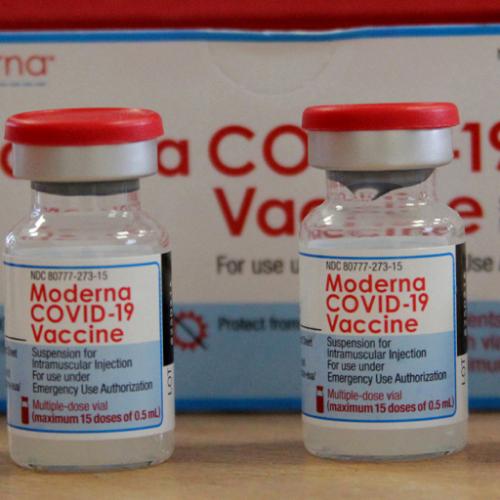
"It's like a horror movie I'm being forced to watch and I can't close my eyes," one senior FDA official lamented. That particular FDA doctor was referring to two recent developments inside the agency. First, how, with no solid clinical data, the agency authorized COVID vaccines for infants and toddlers, including those who already had COVID. And second, [how] the FDA bypassed its external experts to authorize booster shots for young children. That doctor is hardly alone. At the NIH, doctors and scientists complain to us about low morale and lower staffing: The NIH's Vaccine Research Center has had many of its senior scientists leave over the last year, including the director, deputy director and chief medical officer. The CDC has experienced a similar exodus. "There's been a large amount of turnover. Morale is low," one high level official at the CDC told us. "Things have become so political, so what are we there for?" Another CDC scientist told us: "I used to be proud to tell people I work at the CDC. Now I'm embarrassed." Why are they embarrassed? First, they demanded that young children be masked in schools. On this score, the agencies were wrong. Compelling studies later found schools that masked children had no different rates of transmission. Next came school closures. The agencies were wrong – and catastrophically so. Poor and minority children suffered learning loss with an 11-point drop in math scores alone and a 20% drop in math pass rates. Then they ignored natural immunity. Wrong again.
Note: Why are so few media reporting on this most important news? For more along these lines, see concise summaries of deeply revealing news articles on government corruption and the coronavirus from reliable major media sources.
Sweden's novel approach to tackling the coronavirus pandemic has drawn both praise and fierce criticism, not just inside the Scandinavian country, but across the Western world. The country has so far resisted going into lockdown, unlike the rest of Europe, even during the peak of its second wave over Christmas. Sweden may be faring comparably better in terms of excess deaths - those greater than the usual number of deaths expected in a certain time period. Experts say excess deaths can indicate whether policies intended to combat the pandemic have unintended consequences, such as delaying treatment for other ailments and is an important measure of the overall efficacy of policy. While still performing worse than other Nordic countries on data from Eurostat, the official European Union statistics agency, and the University of Oxford, shows that Sweden recorded 7.9% excess deaths last year compared to the years 2016-19, according to the independent health news site Dagens Medicin. That means that the country had the 23rd lowest annual excess deaths out of 30 European countries - lower than the U.K. (15.1%), France (10.4%) and Spain (18.9%). Sweden also has a lower number of coronavirus deaths per million than those countries, all of which have gone under strict lockdowns during the pandemic.
Note: The media has consistently compared Sweden to its immediate neighbors Finland and Norway, which have done much better than Sweden, but were not hit hard in the beginning as Sweden was. With the exception of this and a very few other articles, they almost always fail to compare Sweden to other European countries, as they don't want people to know how well they have done with no lockdown. For more along these lines, see concise summaries of deeply revealing news articles on the coronavirus from reliable major media sources.
Important Note: Explore our full index to revealing excerpts of key major media news articles on several dozen engaging topics. And don't miss amazing excerpts from 20 of the most revealing news articles ever published.