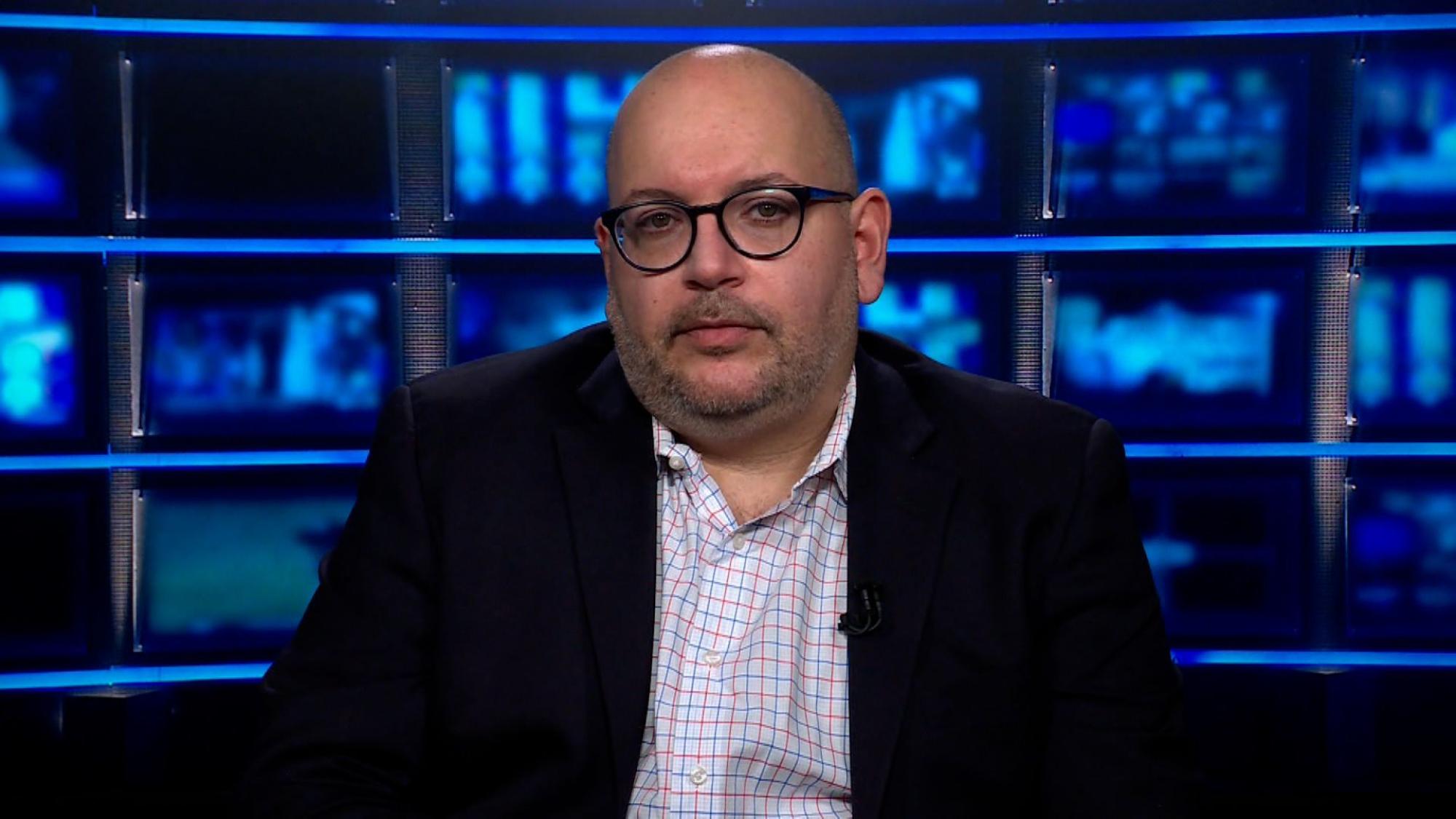
Even after spending a year and a half in prison in Tehran, I knew that if I wanted to go on writing about Iran, I would be a target for plenty of public attacks. But I never imagined the U.S. State Department would be funding my attackers. Last week, several astute Iran watchers drew attention to a series of inflammatory tweets associated with the Iran Disinformation Project, a State Department-funded initiative that its website claims "brings to light disinformation emanating from the Islamic Republic of Iran via official rhetoric, state propaganda outlets, social media manipulation and more." The targets of the tweets included think-tank analysts, human rights activists and journalists. The common thread is that we are all perceived by regime change proponents and supporters of the Trump administration's so-called maximum pressure policy to be soft on Iran because we are critical of crushing economic sanctions and the threat of the use of military force. For these thought crimes, we are branded by @IranDisinfo and similar social media accounts as Tehran's "mouthpieces," "apologists," "collaborators," and "lobbyists" in the West. We're faced with the irony that an initiative aimed at combating Tehran's disinformation campaigns is resorting to disinformation campaigns of its own, using taxpayer funds to spread lies about U.S. citizens. We need programs that fight the spread of falsehoods and propaganda, but such efforts shouldn't combat lies with other lies.
Latest
Latest News
Each news summary is created according to strict standards. Here's how we do it.
Each summary is created using a consistent editorial procedure. The target length is approximately 16 lines of 11-point Arial text in a 650-pixel-wide column. Up to 25% of a summary may be set in bold to emphasize the most important ideas. Summaries are composed of verbatim excerpts presented in the same sequence as they appear in the original news source, with very minor editorial additions. Where material has been omitted between excerpts, the omission is indicated with ellipses (...). Any words added by an editor for clarity or context appear in [brackets]. Our original news editor was Fred Burks. Tod Fletcher edited most summaries from 2007 through 2014, and Mark Bailey has served as news editor since 2014.