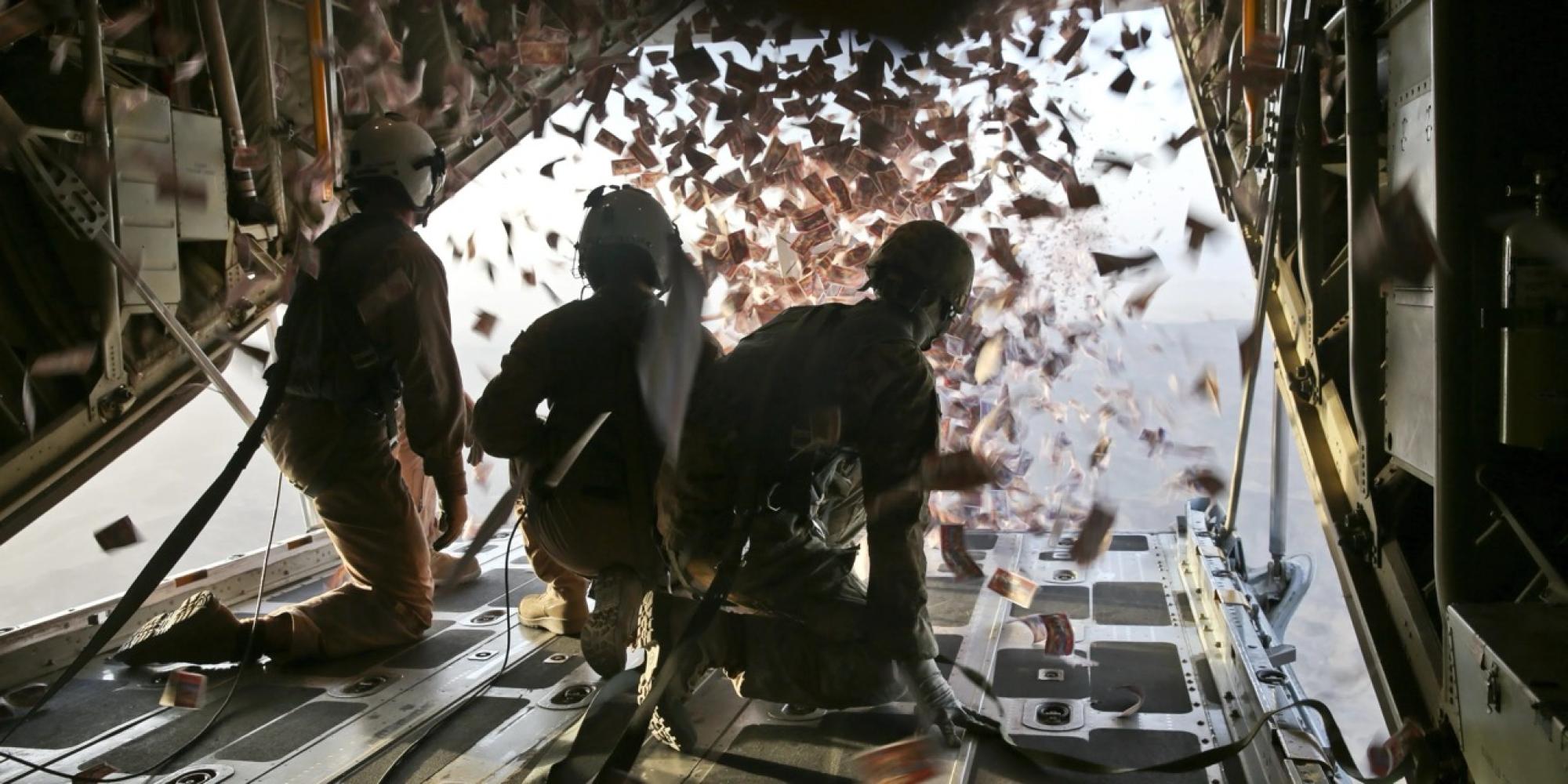
A devastating new Defense Department inspector general report finds that ... the Army, the primary Defense Department proponent for battlefield influence and deception, has failed to staff its own psyops units. Recent revelations about the Pentagon's psyops call into question just how effective these programs really are. In 2022, an extensive report by the Washington Post revealed widespread concern inside DOD that psychological operations were being waged both recklessly and ineffectively by the armed services. The report was spurred by research from the Stanford Internet Observatory which detailed over 150 instances of Facebook and Twitter removing accounts linked to U.S. military influence campaigns. The 2019 National Defense Authorization Act gave the Defense Department a green light to engage in offensive psyops campaigns, including clandestine operations that align with the same definition as covert, meaning that the armed forces can carry out influence operations that deny an American connection. After the congressional authorization, an unnamed defense official said, "Combatant commanders got really excited" and were "eager to utilize these new authorities. The defense contractors were equally eager to land lucrative classified contracts to enable clandestine influence operations." Researchers at Stanford ultimately found that despite the dozens of Defense Department obscured accounts spreading misinformation, the effect on foreign populations was far less than information conveyed overtly from self-identified U.S. sources.
Latest
Latest News
Each news summary is created according to strict standards. Here's how we do it.
Each summary is created using a consistent editorial procedure. The target length is approximately 16 lines of 11-point Arial text in a 650-pixel-wide column. Up to 25% of a summary may be set in bold to emphasize the most important ideas. Summaries are composed of verbatim excerpts presented in the same sequence as they appear in the original news source, with very minor editorial additions. Where material has been omitted between excerpts, the omission is indicated with ellipses (...). Any words added by an editor for clarity or context appear in [brackets]. Our original news editor was Fred Burks. Tod Fletcher edited most summaries from 2007 through 2014, and Mark Bailey has served as news editor since 2014.