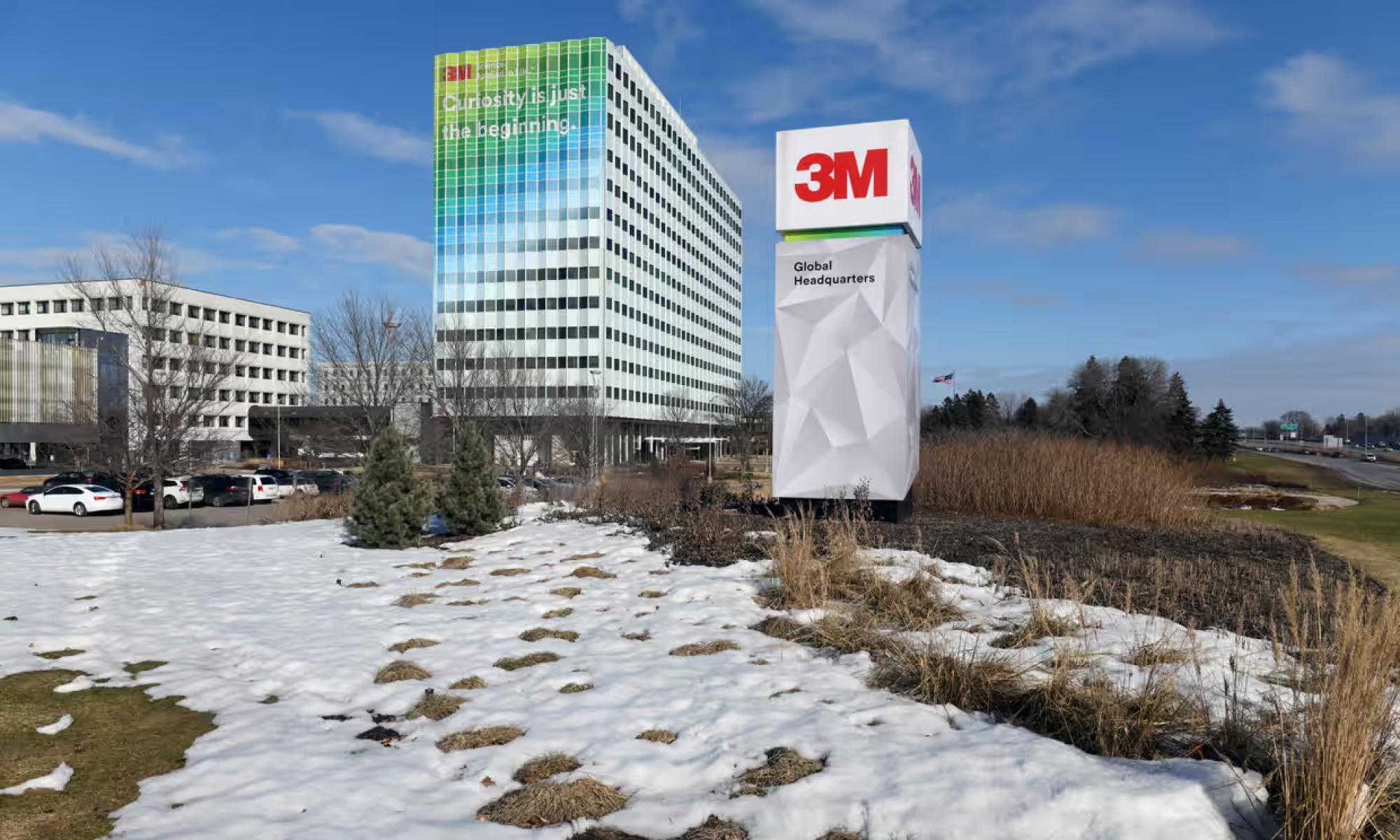
When the chemical giant 3M agreed in early June to pay up to $12.5bn to settle a lawsuit over PFAS contamination in water systems across the nation, it was hailed by attorneys as "the largest drinking water settlement in American history", and viewed as a significant win for the public in the battle against toxic "forever chemicals". A second June settlement with the PFAS manufacturers DuPont, Chemours and Corteva tallied a hefty $1.1bn. But while the sums are impressive on their face, they represent just a fraction of the estimated $400bn some estimate will be needed to clean and protect the nation's drinking water. Orange county, California, alone put the cost of cleaning its system at $1bn. Because PFAS are so widely used and the scale of their harm is so great ... the industry's final bill could exceed the $200bn paid by big tobacco in the 1990s. PFAS are a class of about 15,000 compounds used to make products across dozens of industries resistant to water, stains and heat. They are called "forever chemicals" because they do not naturally break down, and are linked to cancer, kidney disease, liver conditions, immune disorders, birth defects and other health problems. The chemicals are thought to be contaminating drinking water for over 200 million Americans. Tens of thousands of contaminated private wells are not included in the settlement. The chemicals are also widely used in thousands of consumer products from dental floss to cookware to clothing, and have been found to contaminate food, soil and air.
Latest
Latest News
Each news summary is created according to strict standards. Here's how we do it.
Each summary is created using a consistent editorial procedure. The target length is approximately 16 lines of 11-point Arial text in a 650-pixel-wide column. Up to 25% of a summary may be set in bold to emphasize the most important ideas. Summaries are composed of verbatim excerpts presented in the same sequence as they appear in the original news source, with very minor editorial additions. Where material has been omitted between excerpts, the omission is indicated with ellipses (...). Any words added by an editor for clarity or context appear in [brackets]. Our original news editor was Fred Burks. Tod Fletcher edited most summaries from 2007 through 2014, and Mark Bailey has served as news editor since 2014.