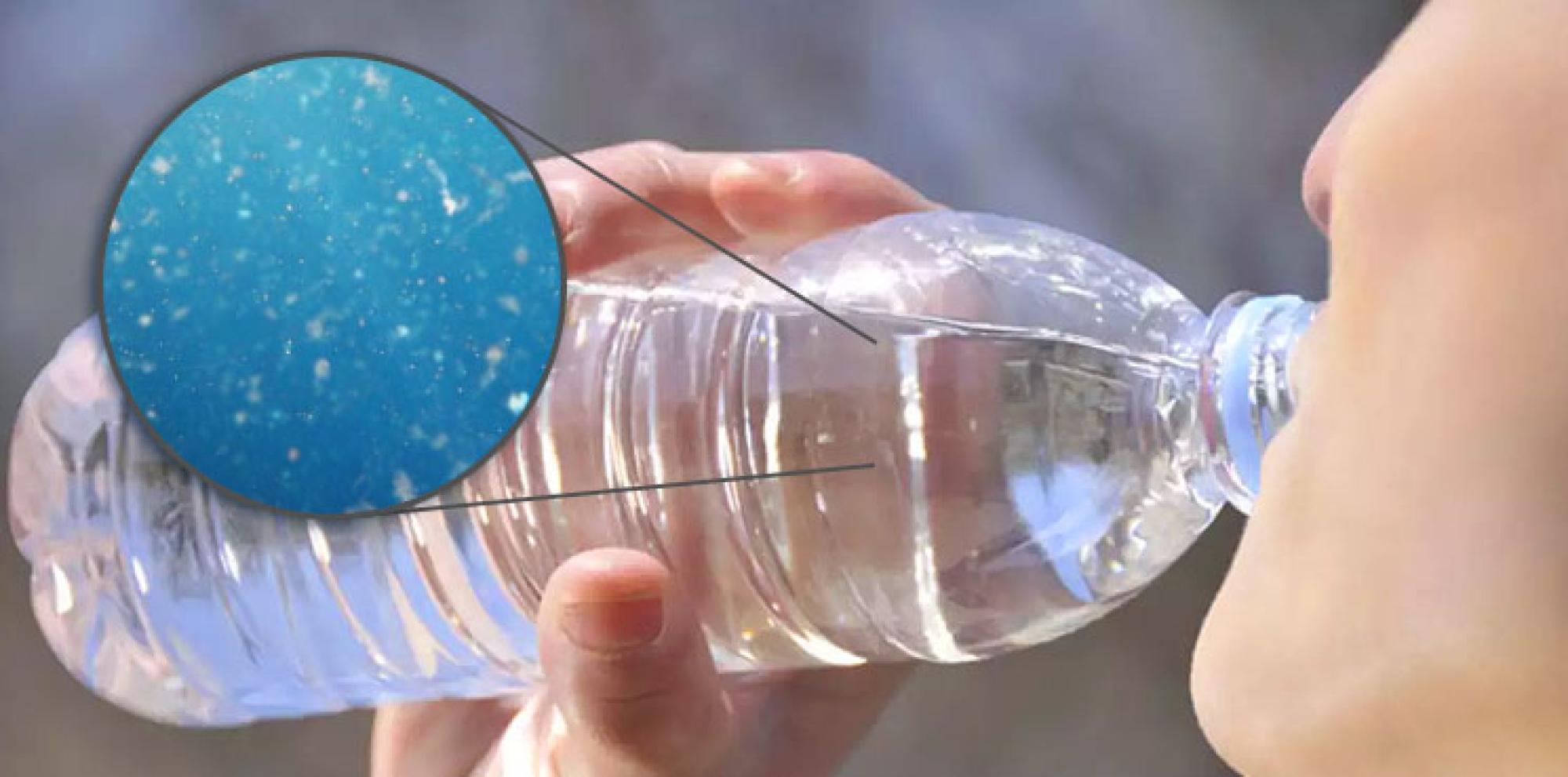
A chemical found in water bottles has been linked to child obesity, according to a new study. The synthetic chemical Bisphenol A, or BPA, was found in a variety of widely used products, such as plastic water bottles and eyewear. But it is also a chemical known to disrupt the body's hormones. The chemical, which can make its way into other avenues, such as food and the soil, accumulates in the body's tissues and organs when ingested. It is known to affect weight and can affect certain cells. A new study published in mSystems found that this chemical could be playing a role in causing different bacteria groups in children of normal weight than those who were overweight. "We found that the gut microbial community responds differently to BPA exposure depending on the BMI (body-mass index) of the individual," [said] microbiologist Margarita Aguilera of the University of Granada. "[Those connections] underscore the intricate interplay between gut microbiota and potential human pathophysiology resulting from cumulative BPA exposure." Researchers ... found overall that there were more unique bacteria groups in the children of a normal weight. This strongly suggests that the bacteria in those children may be able to fight off harmful chemicals like BPA. This study, and future studies into the effects of BPA, "could point to future interventions and policy changes that may reduce the risk of childhood obesity worldwide," Aguilera said.
Latest
Latest News
Each news summary is created according to strict standards. Here's how we do it.
Each summary is created using a consistent editorial procedure. The target length is approximately 16 lines of 11-point Arial text in a 650-pixel-wide column. Up to 25% of a summary may be set in bold to emphasize the most important ideas. Summaries are composed of verbatim excerpts presented in the same sequence as they appear in the original news source, with very minor editorial additions. Where material has been omitted between excerpts, the omission is indicated with ellipses (...). Any words added by an editor for clarity or context appear in [brackets]. Our original news editor was Fred Burks. Tod Fletcher edited most summaries from 2007 through 2014, and Mark Bailey has served as news editor since 2014.