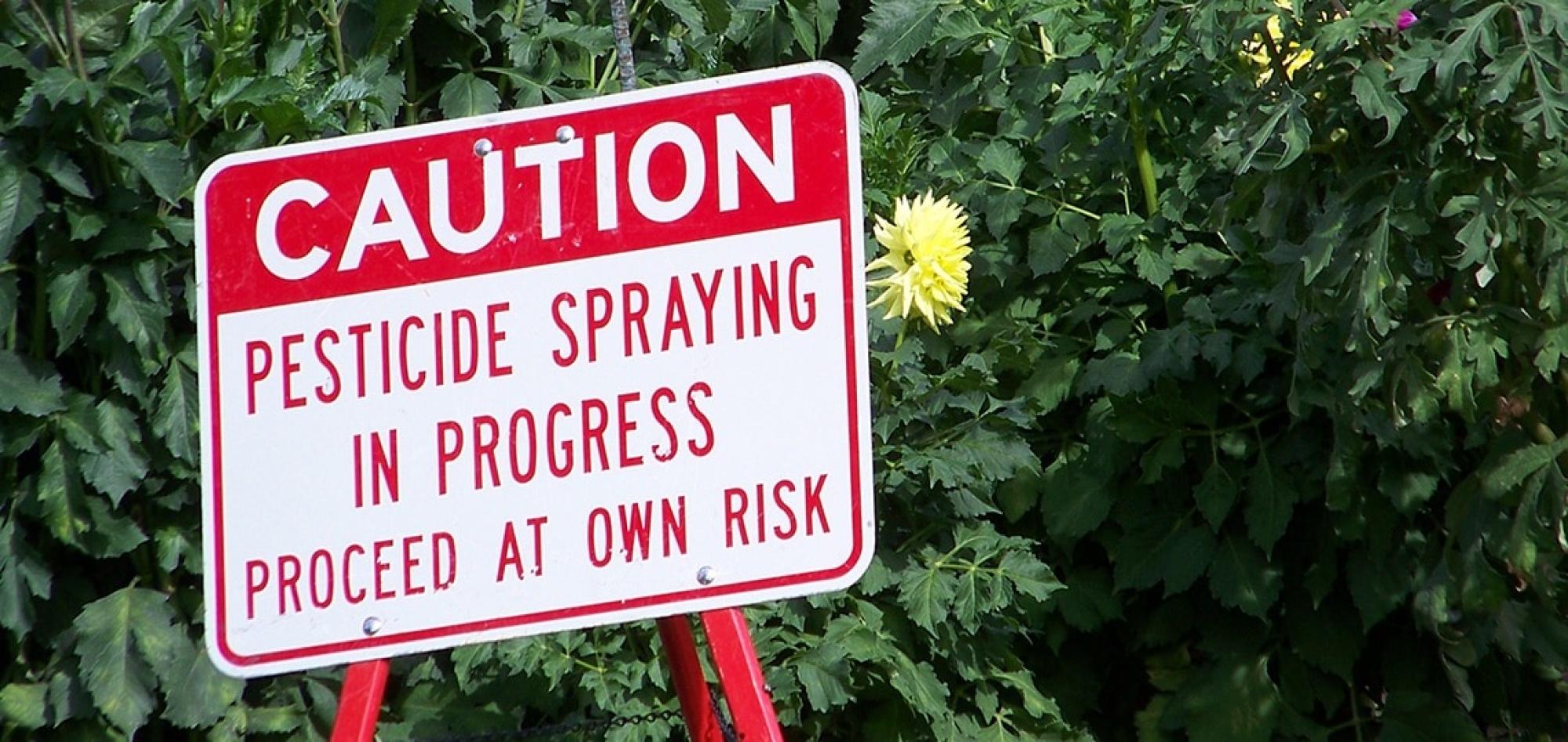
Pesticides used in our homes, gardens and lawns and sprayed on foods we eat are contributing to a dramatic decline in sperm count among men worldwide, according to a new analysis of studies over the last 50 years. "Over the course of 50 years, sperm concentration has fallen about 50% around the world," said senior study author Melissa Perry. "While there are likely many more contributing causes, our study demonstrates a strong association between two common insecticides "organophosphates and N-methyl carbamates " and the decline of sperm concentration." Organophosphates are the main components of nerve gas, herbicides, pesticides and insecticides and are also used to create plastics and solvents. They are widely used in agriculture on the crops we eat. We use them in structural applications within homes and buildings. N-methyl carbamates are structurally and operationally similar to organophosphates, killing insects by damaging their brains and nervous systems. The study, published ... in the journal Environmental Health Perspectives, examined 25 studies around the world on the two chemicals. Those studies looked at 42 different levels of impact among 1,774 men in 21 different study populations. Men who were more highly exposed to the pesticides, such as those who work in agriculture, had significantly less sperm concentration than men who had the least exposure to organophosphates and N-methyl carbamates, the study found.
Latest
Latest News
Each news summary is created according to strict standards. Here's how we do it.
Each summary is created using a consistent editorial procedure. The target length is approximately 16 lines of 11-point Arial text in a 650-pixel-wide column. Up to 25% of a summary may be set in bold to emphasize the most important ideas. Summaries are composed of verbatim excerpts presented in the same sequence as they appear in the original news source, with very minor editorial additions. Where material has been omitted between excerpts, the omission is indicated with ellipses (...). Any words added by an editor for clarity or context appear in [brackets]. Our original news editor was Fred Burks. Tod Fletcher edited most summaries from 2007 through 2014, and Mark Bailey has served as news editor since 2014.