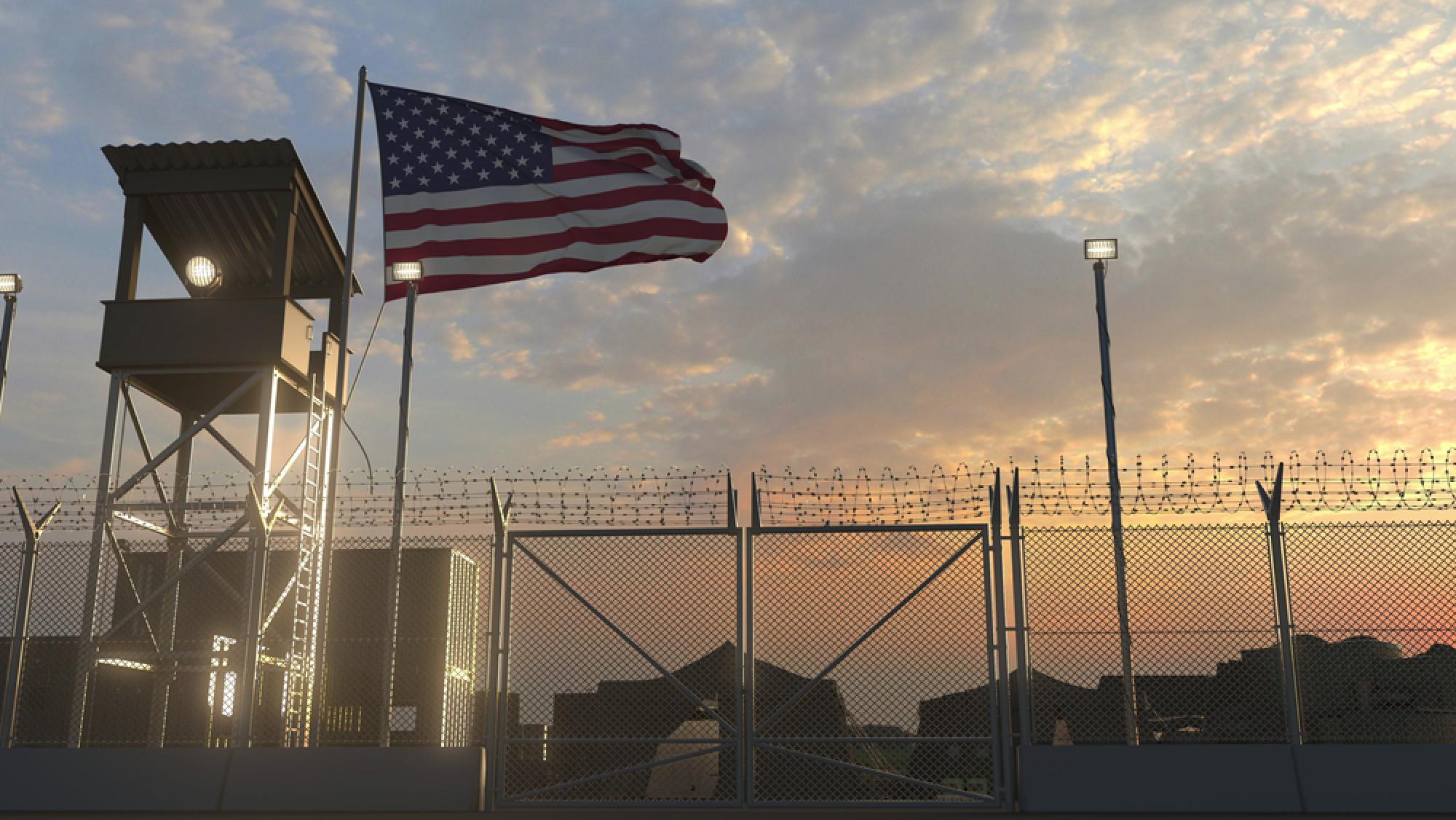
Fort Ord was one of 800 U.S. military bases, large and small, that were shuttered between 1988 and 2005. The cities of Seaside and Marina, Calif., where Fort Ord had been critical to the local economy, were left with a ghost town of clapboard barracks and decrepit, World War II-era concrete structures that neither of the cities could afford to tear down. Also left behind were poisonous stockpiles of unexploded ordnance, lead fragments, industrial solvents and explosives residue, a toxic legacy that in some areas of the base remains largely where the Army left it. Across the country, communities were promised that closed bases would be restored, cleaned up and turned over for civilian use. But the cleanup has proceeded at a snail's pace at many of the facilities, where future remediation work could extend until 2084 and local governments are struggling with the cost of making the land suitable for development. At more than 1,000 sites within the closed bases, the land is so badly contaminated that no one will ever be allowed to live on it. Sites that were supposed to be clean were later found full of asbestos, radioactivity and other health threats. Military base cleanups are often full of surprises, but Hunters Point is in a league of its own. Two former supervisors at an environmental firm, Tetra Tech EC, which the Navy hired to help clean up the base, were convicted in 2018 of fraudulently submitting clean dirt to a laboratory in place of the contaminated dirt at the shipyard.
Latest
Latest News
Each news summary is created according to strict standards. Here's how we do it.
Each summary is created using a consistent editorial procedure. The target length is approximately 16 lines of 11-point Arial text in a 650-pixel-wide column. Up to 25% of a summary may be set in bold to emphasize the most important ideas. Summaries are composed of verbatim excerpts presented in the same sequence as they appear in the original news source, with very minor editorial additions. Where material has been omitted between excerpts, the omission is indicated with ellipses (...). Any words added by an editor for clarity or context appear in [brackets]. Our original news editor was Fred Burks. Tod Fletcher edited most summaries from 2007 through 2014, and Mark Bailey has served as news editor since 2014.