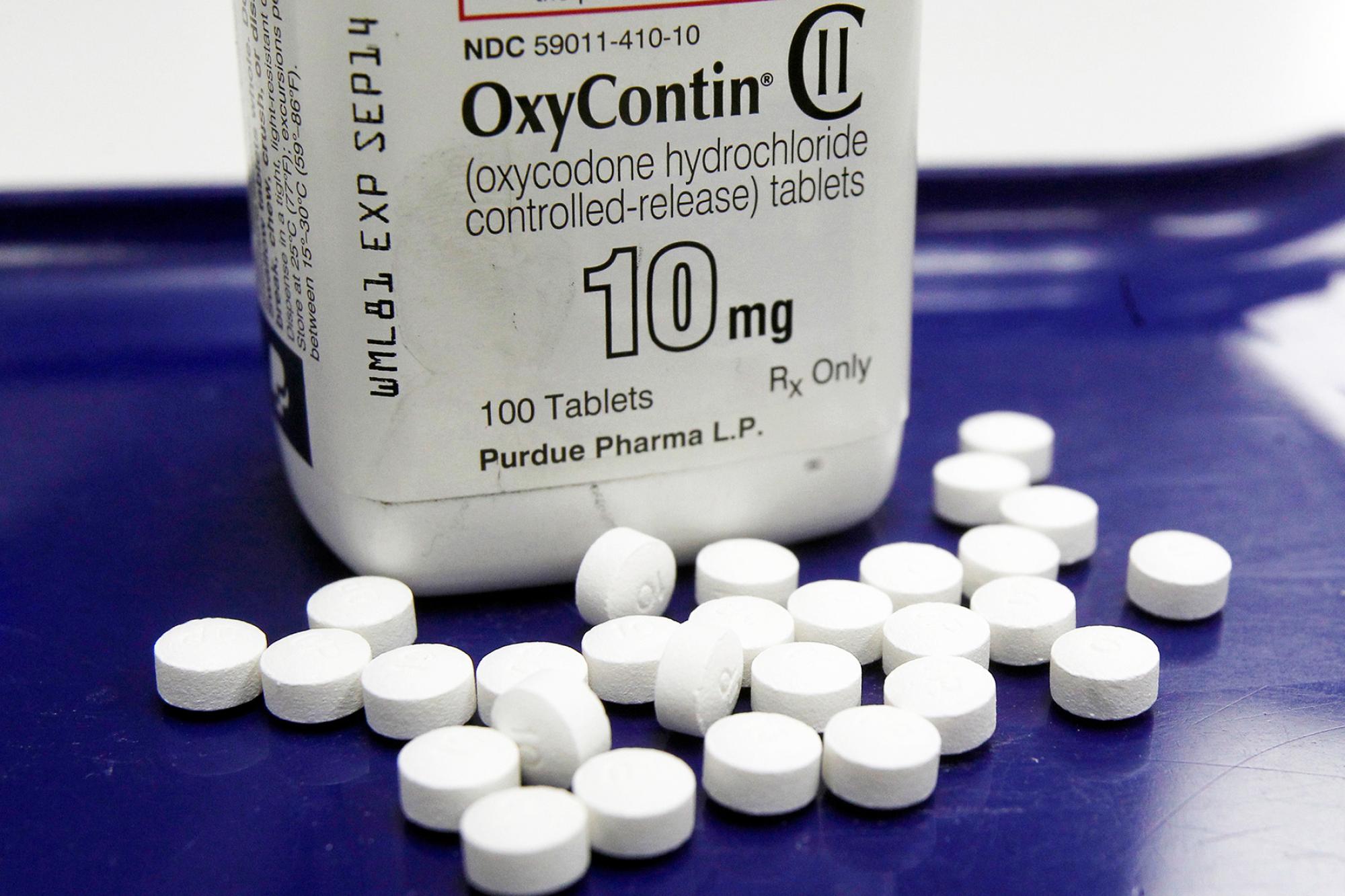
In 2010, Purdue Pharma replaced the original version of OxyContin, an extended-release oxycodone pill, with a reformulated product that was much harder to crush for snorting or injection. The reformulation of OxyContin was instead associated with an increase in deaths involving illicit opioids and, ultimately, an overall increase in fatal drug overdoses. Researchers ... found that death rates rose fastest in states where reformulation would have had the biggest impact. A new study by RAND Corporation senior economist David Powell extends those findings by showing that the reformulation of OxyContin also was associated with rising suicides among children and teenagers. The root cause of such perverse effects was the substitution that occurred after the old version of OxyContin was retired. Nonmedical users turned to black-market alternatives that were more dangerous because their potency was highly variable and unpredictable"a hazard that was compounded by the emergence of illicit fentanyl as a heroin booster and substitute. The fallout from the reformulation of OxyContin is one example of a broader tendency: Interventions aimed at reducing the harm caused by substance abuse frequently have the opposite effect. Based on interstate differences in nonmedical use of OxyContin prior to 2010, Powell estimates that "the reformulation of OxyContin can explain 49% of the rise in child suicides."
Latest
Latest News
Each news summary is created according to strict standards. Here's how we do it.
Each summary is created using a consistent editorial procedure. The target length is approximately 16 lines of 11-point Arial text in a 650-pixel-wide column. Up to 25% of a summary may be set in bold to emphasize the most important ideas. Summaries are composed of verbatim excerpts presented in the same sequence as they appear in the original news source, with very minor editorial additions. Where material has been omitted between excerpts, the omission is indicated with ellipses (...). Any words added by an editor for clarity or context appear in [brackets]. Our original news editor was Fred Burks. Tod Fletcher edited most summaries from 2007 through 2014, and Mark Bailey has served as news editor since 2014.