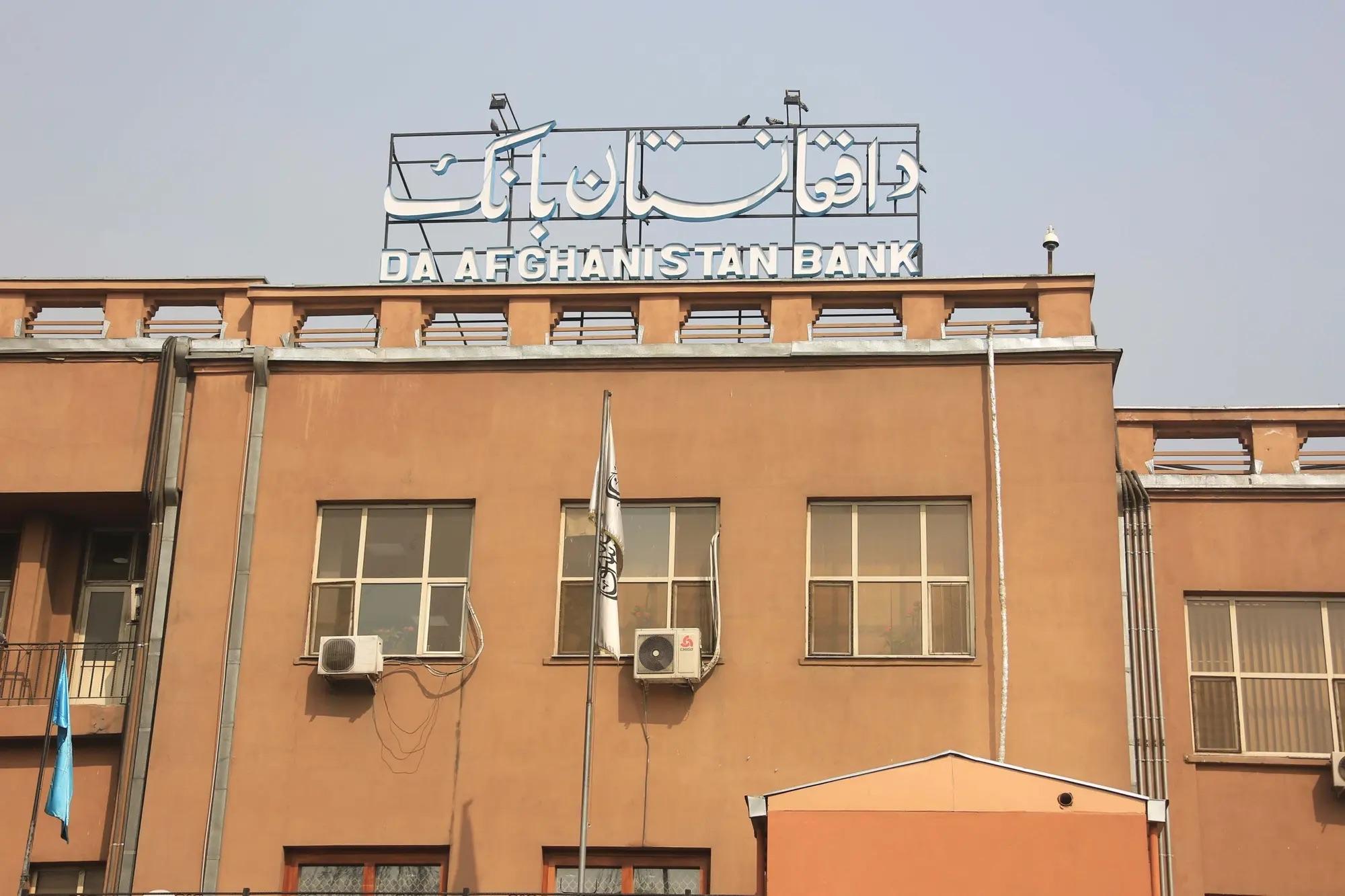
The United Nations has delivered more than $2.9 billion in cash to Afghanistan since the Taliban seized control, resulting in the flow of U.S. funds to the extremist group, according to a recent government report. The U.N. deposits the cash into a private Afghan bank and disburses funds to the agency's aid organizations and nonprofit humanitarian groups. But the money does not stop there. Some winds up at the central bank of Afghanistan, which is under the control of the Taliban. The group took over the country after the withdrawal of U.S. forces in August 2021. The report, from the Special Inspector General for Afghanistan Reconstruction, provides the first detailed account of how U.S. cash falls under the control of the Taliban and adds to a growing body of evidence that contributions to the U.N. are not always reaching Afghans in need. After getting the money from the Federal Reserve Bank of New York, the U.N. flies shrink-wrapped $100 bills to the Kabul International Airport. The money arrives on a regular basis, as much as $40 million at a time. "Aid diversion does happen, and when it does, humanitarian work has to halt and solutions need to be found," said one U.N. official who was not authorized to make public comment. "There are cases where the Taliban seek to take control of distribution according to their priorities, or other cases where aid work is stopped altogether." The only way to stop [the diversion of foreign aid] would be to halt the flow of money.
Latest
Latest News
Each news summary is created according to strict standards. Here's how we do it.
Each summary is created using a consistent editorial procedure. The target length is approximately 16 lines of 11-point Arial text in a 650-pixel-wide column. Up to 25% of a summary may be set in bold to emphasize the most important ideas. Summaries are composed of verbatim excerpts presented in the same sequence as they appear in the original news source, with very minor editorial additions. Where material has been omitted between excerpts, the omission is indicated with ellipses (...). Any words added by an editor for clarity or context appear in [brackets]. Our original news editor was Fred Burks. Tod Fletcher edited most summaries from 2007 through 2014, and Mark Bailey has served as news editor since 2014.