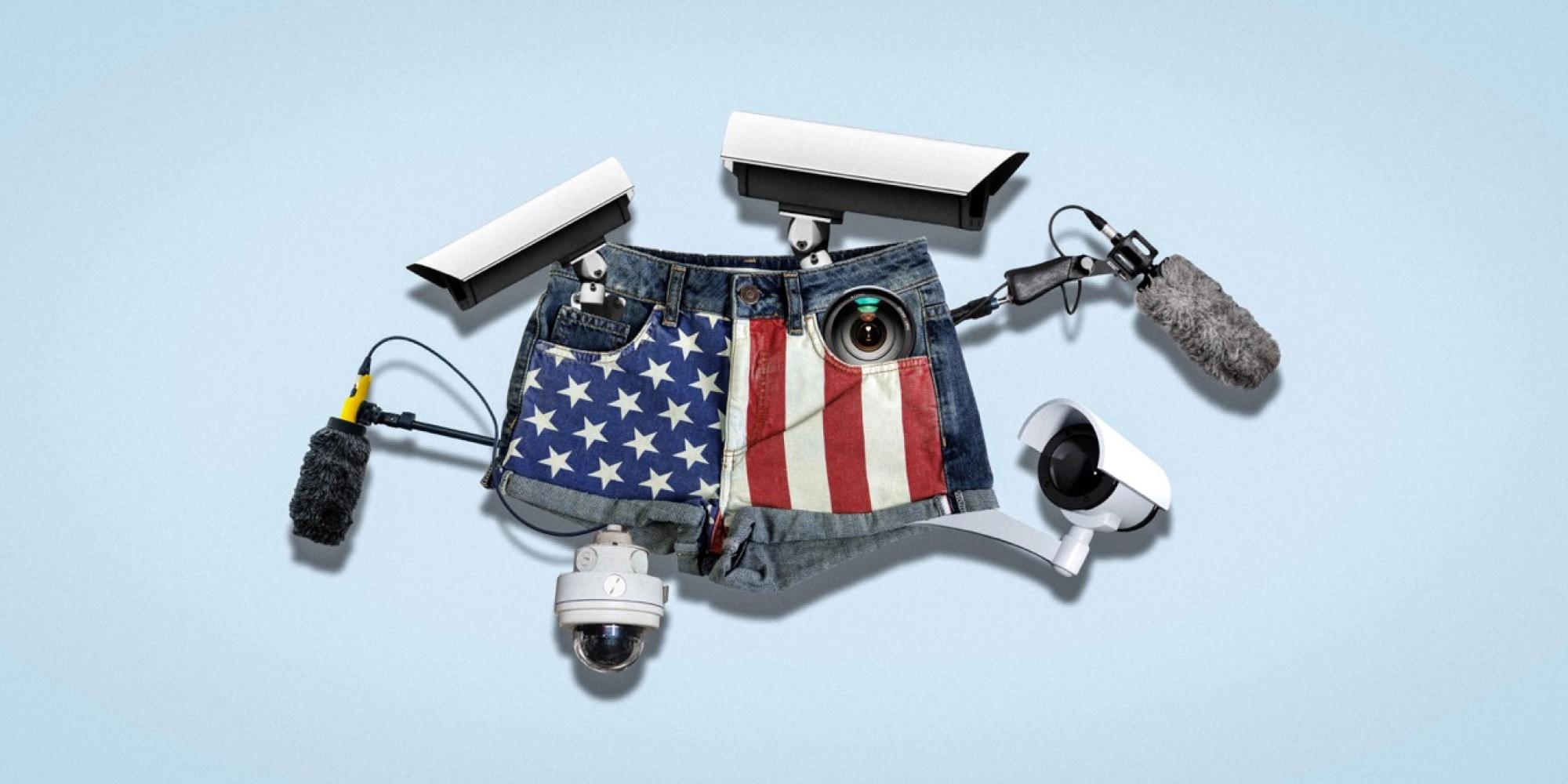
The future of wearable technology, beyond now-standard accessories like smartwatches and fitness tracking rings, is ePANTS, according to the intelligence community. The federal government has shelled out at least $22 million in an effort to develop "smart" clothing that spies on the wearer and its surroundings. Similar to previous moonshot projects funded by military and intelligence agencies, the inspiration may have come from science fiction and superpowers, but the basic applications are on brand for the government: surveillance and data collection. Billed as the "largest single investment to develop Active Smart Textiles," the SMART ePANTS Smart Electrically Powered and Networked Textile Systems " program aims to develop clothing capable of recording audio, video, and geolocation data, the Office of the Director of National Intelligence announced in an August 22 press release. Garments slated for production include shirts, pants, socks, and underwear, all of which are intended to be washable. There is already evidence that private industry outside of the national security community are interested in smart clothing. Meta, Facebook's parent company, is looking to hire a researcher "with broad knowledge in smart textiles and garment construction, integration of electronics into soft and flexible systems, and who can work with a team of researchers working in haptics, sensing, tracking, and materials science."
Latest
Latest News
Each news summary is created according to strict standards. Here's how we do it.
Each summary is created using a consistent editorial procedure. The target length is approximately 16 lines of 11-point Arial text in a 650-pixel-wide column. Up to 25% of a summary may be set in bold to emphasize the most important ideas. Summaries are composed of verbatim excerpts presented in the same sequence as they appear in the original news source, with very minor editorial additions. Where material has been omitted between excerpts, the omission is indicated with ellipses (...). Any words added by an editor for clarity or context appear in [brackets]. Our original news editor was Fred Burks. Tod Fletcher edited most summaries from 2007 through 2014, and Mark Bailey has served as news editor since 2014.