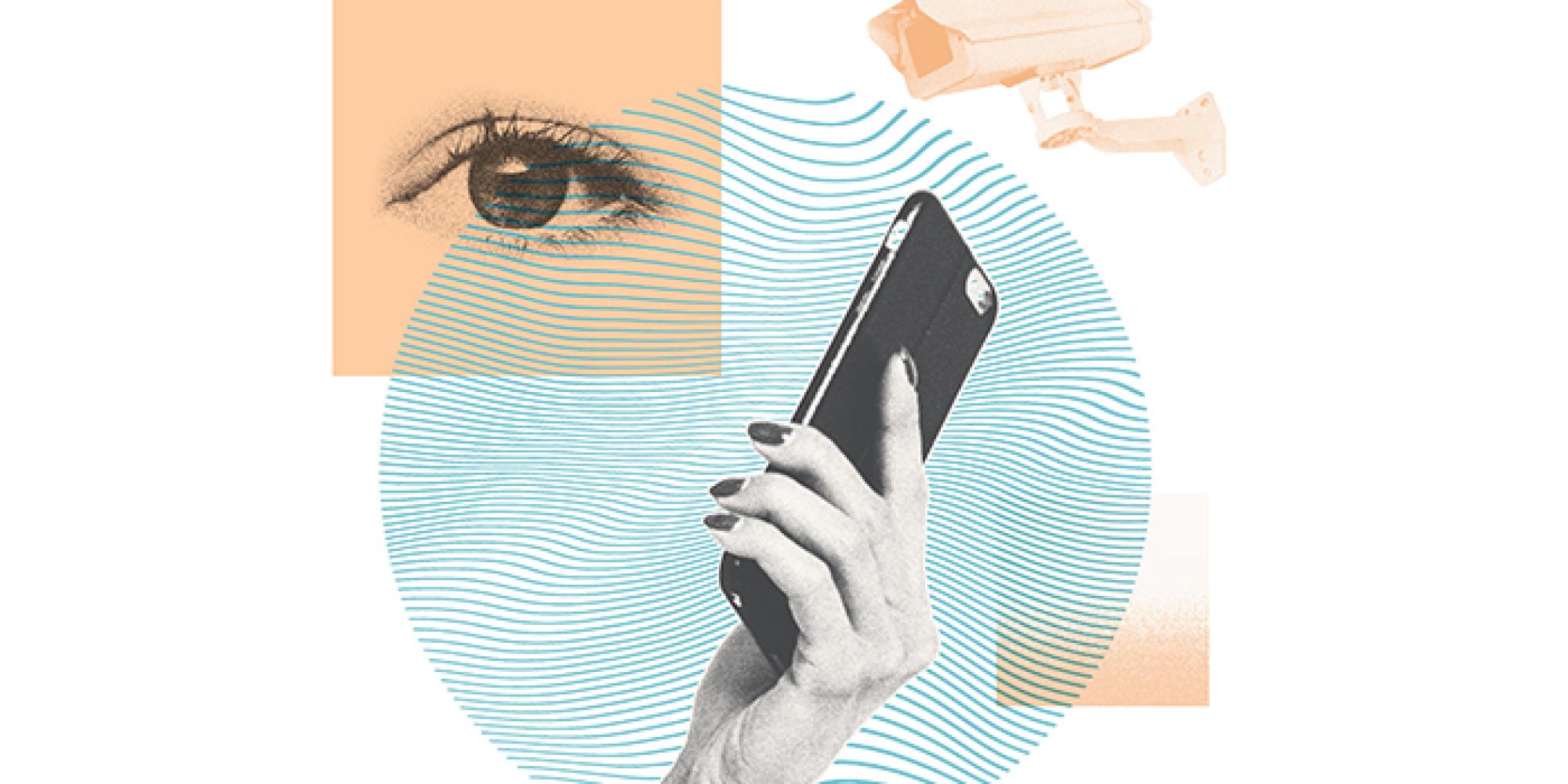
Our personal data and the ways private companies harvest and monetize it plays an increasingly powerful role in modern life. One unifying thread to this pervasive system is the collection of personal information from marginalized communities, and the subsequent discriminatory use by corporations and government agenciesexacerbating existing structural inequalities across society. Data surveillance is a civil rights problem, and legislation to protect data privacy can help protect civil rights. Where mobile apps are used disparately by specific groups, the collection and sharing of personal data can aggravate civil rights problems. For example, a Muslim prayer app (Muslim Pro) sold geolocation data about its users to a company called X-Mode, which in turn provided access to this data to the U.S. military through defense contractors. In 2016, Twitter, Facebook, Instagram, and nine other social media platforms were found to have provided software company Geofeedia with social media information and location data from their users. This data was subsequently used by police departments across the U.S. to track down and identify individuals attending Black Lives Matter protests. Moreover, lower-income people are often less able to avoid corporate harvesting of their data. For example, some lower-priced technologies collect more data than other technologies, such as inexpensive smartphones that come with preinstalled apps that leak data and can't be deleted.
Latest
Latest News
Each news summary is created according to strict standards. Here's how we do it.
Each summary is created using a consistent editorial procedure. The target length is approximately 16 lines of 11-point Arial text in a 650-pixel-wide column. Up to 25% of a summary may be set in bold to emphasize the most important ideas. Summaries are composed of verbatim excerpts presented in the same sequence as they appear in the original news source, with very minor editorial additions. Where material has been omitted between excerpts, the omission is indicated with ellipses (...). Any words added by an editor for clarity or context appear in [brackets]. Our original news editor was Fred Burks. Tod Fletcher edited most summaries from 2007 through 2014, and Mark Bailey has served as news editor since 2014.