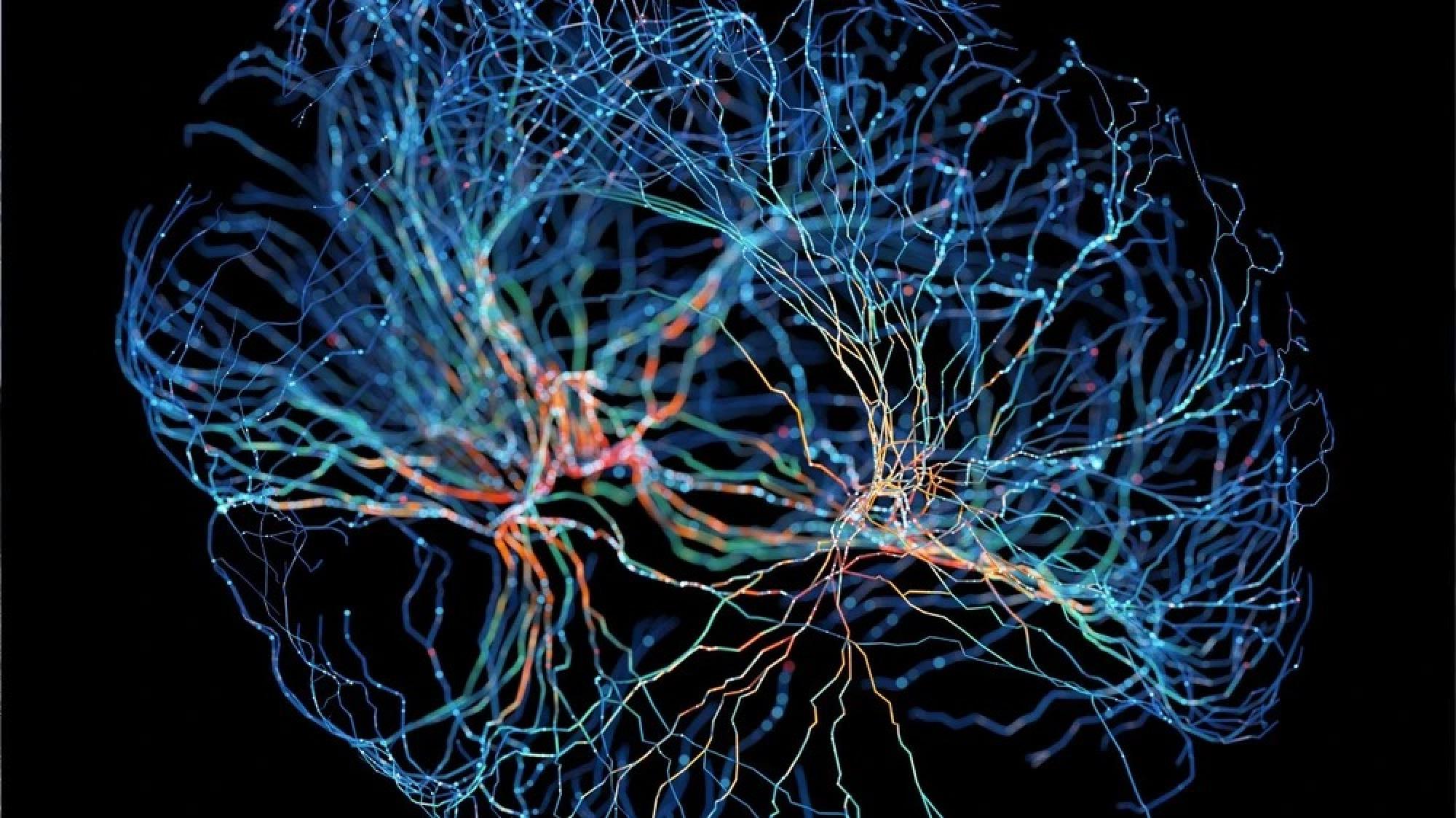
Scientists have observed a surge of energetic activity in the brains of dying patients, a discovery that reveals that our brains can be active even as our hearts stop beating, reports a new study. The results challenge a longstanding assumption that brains become nonfunctional as they lose oxygen during cardiac arrest, and could eventually open a new window into the weird phenomena associated with near-death experiences (NDE). Jimo Borjigin, an associate professor of neurology at the University of Michigan, has been interested in these questions since she first observed surges of activity in the brains of dying rats. The surges consisted of gamma waves, the fastest oscillations in the brain, which are associated with conscious perceptions, lucid dreams, and hallucinations. Now, Borjigin and her colleagues have discovered similar gamma activity in the brains of patients who died in the hospital while they were monitored by electroencephalogram (EEG) sensors, which record neural activity. The findings could ... help explain near-death experiences, which the study described as "a biological paradox that challenges our fundamental understanding of the dying brain, which is widely believed to be nonfunctioning" during death. "The dying brain was thought to be inactive; our study showed otherwise," said Borjigin, the senior author of the study. "As far as I am concerned, our study may be as good as it will ever get for finding neural signatures of near-death consciousness."
Latest
Latest News
Each news summary is created according to strict standards. Here's how we do it.
Each summary is created using a consistent editorial procedure. The target length is approximately 16 lines of 11-point Arial text in a 650-pixel-wide column. Up to 25% of a summary may be set in bold to emphasize the most important ideas. Summaries are composed of verbatim excerpts presented in the same sequence as they appear in the original news source, with very minor editorial additions. Where material has been omitted between excerpts, the omission is indicated with ellipses (...). Any words added by an editor for clarity or context appear in [brackets]. Our original news editor was Fred Burks. Tod Fletcher edited most summaries from 2007 through 2014, and Mark Bailey has served as news editor since 2014.