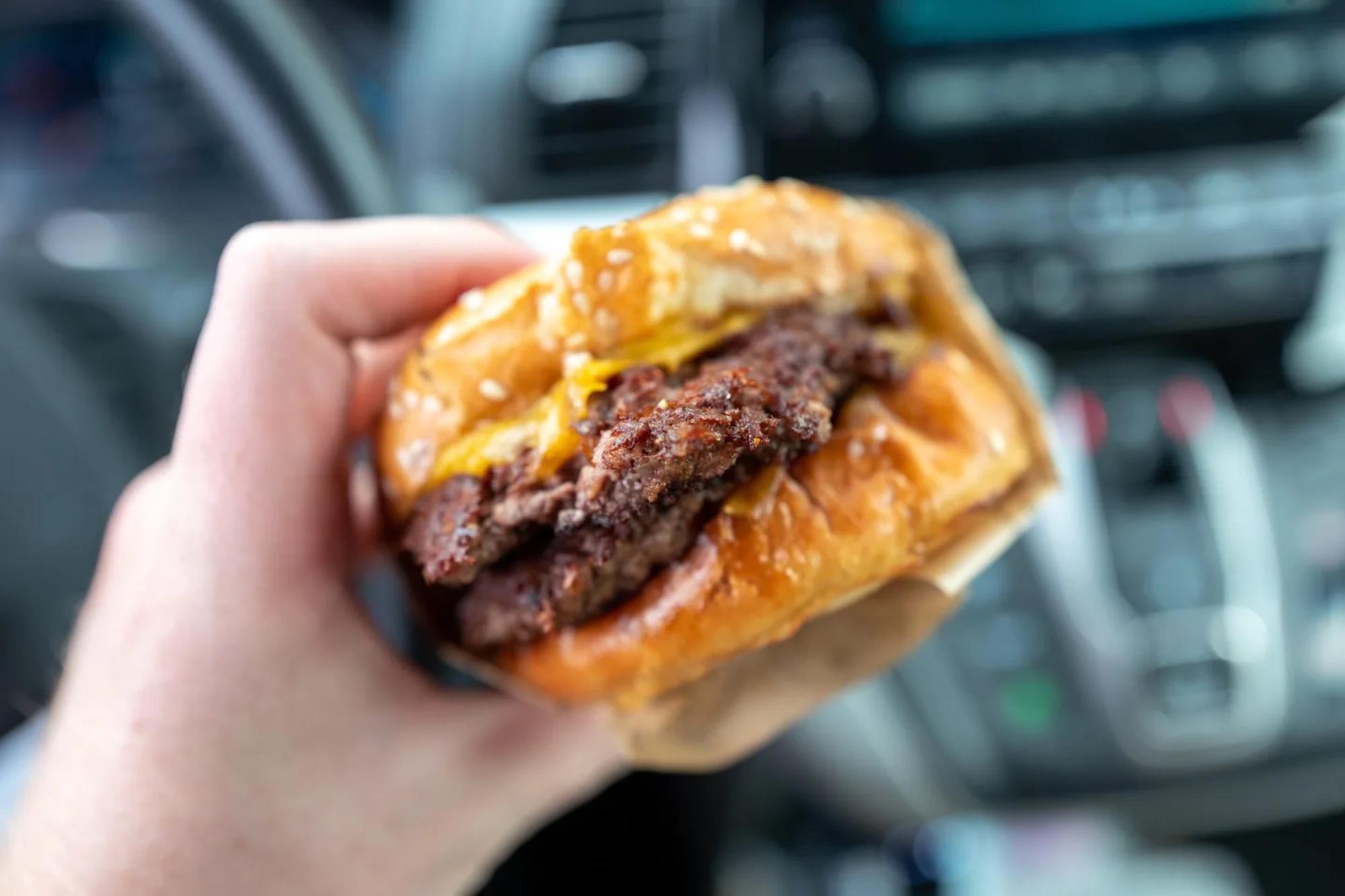
The 2023 Farm Bill is projected to spend $700 billion over the next five years, with powerful industry lobbyists directing funds to enrich themselves at the expense of agricultural communities, human health, animal welfare, and environmental sustainability. It's far from its original intention: to help struggling farmers and hungry citizens during The Great Depression and Dustbowl. Most Americans have never heard of this massive omnibus bill, which Congress reauthorizes every five or so years. It shapes our food systemfrom subsidizing factory farms to funding food and nutrition programs, and it is why burgers are artificially cheap and salads cost more than they should. How did this happen? After World War II, to meet the needs of a booming U.S. population and a growing export market, the Farm Bill invested heavily in monocrops, including millions of acres of corn and soy, used to feed animals on industrialized farms. We subsidize the overproduction of fat-laden animal products and highly processed foods, making unhealthy food cheap and accessible. This contributes to heart disease and other chronic diet-related illnesses that cost our nation billions of dollars annually in preventable health care costs. Nine out of 10 U.S. adults do not consume nutritionists' recommended fruits and vegetables. The Farm Bill should invest in enterprises that act with integrity, not unethical profiteers who lobby for unconstitutional "ag-gag" laws that prevent free speech, transparency, and accountability.
Latest
Latest News
Each news summary is created according to strict standards. Here's how we do it.
Each summary is created using a consistent editorial procedure. The target length is approximately 16 lines of 11-point Arial text in a 650-pixel-wide column. Up to 25% of a summary may be set in bold to emphasize the most important ideas. Summaries are composed of verbatim excerpts presented in the same sequence as they appear in the original news source, with very minor editorial additions. Where material has been omitted between excerpts, the omission is indicated with ellipses (...). Any words added by an editor for clarity or context appear in [brackets]. Our original news editor was Fred Burks. Tod Fletcher edited most summaries from 2007 through 2014, and Mark Bailey has served as news editor since 2014.