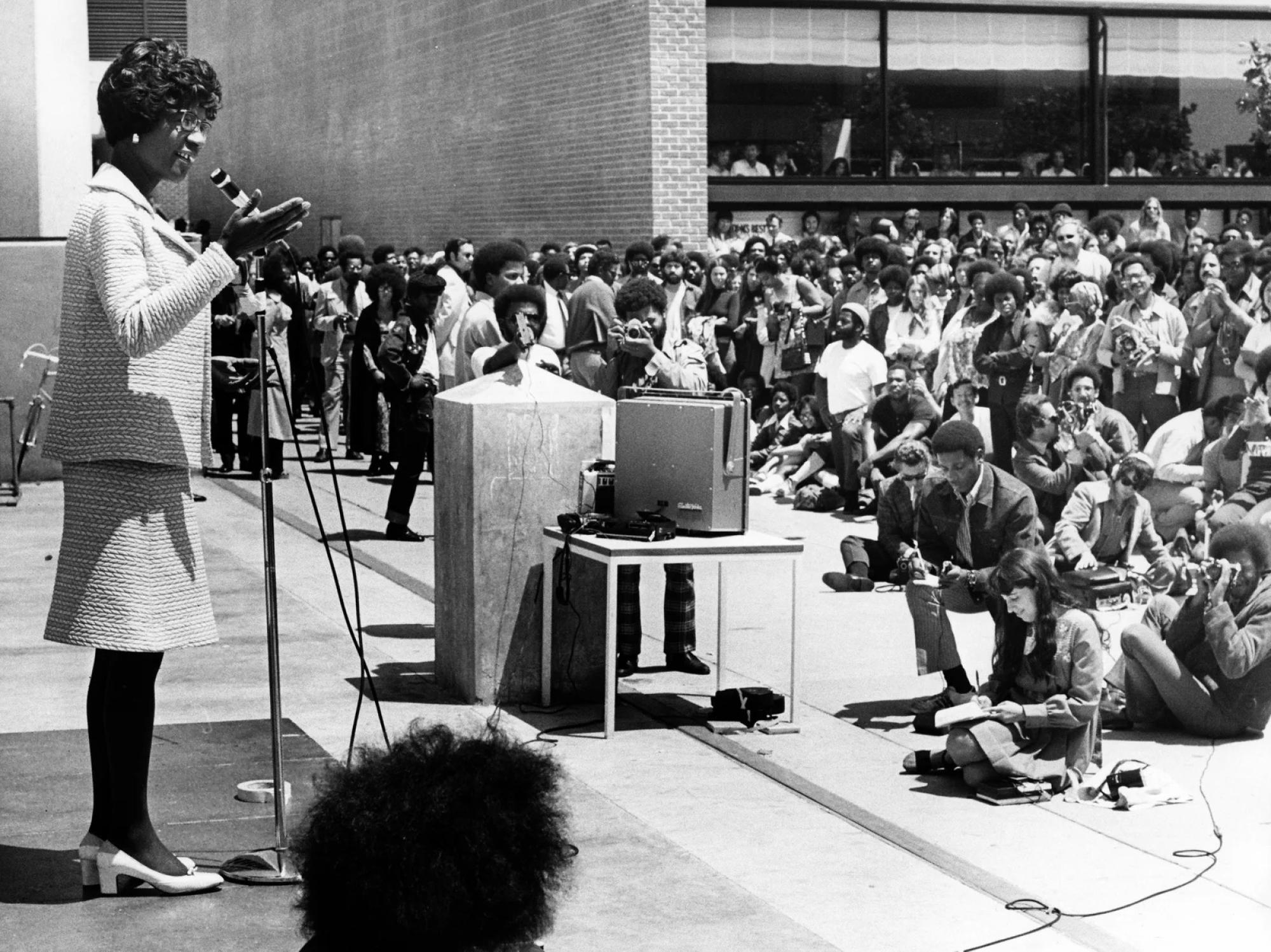
Tim Phillips, a veteran conflict-resolution expert, helped negotiate some of the most fraught conflicts in modern history ceasefires of religious clashes in Northern Ireland and the establishment of what became South Africa's Truth and Reconciliation Commission after apartheid. Defusing an escalating situation ... first requires releasing a brain hijacked by defensive emotion. Phillips says it means saying to your opponent, for example: "I understand how important this is to you; I understand this is core to your identity and your community, and I respect your sacred values." It means reflecting your opponent's humanity back to them. A similar approach, he says, can help reduce toxic polarization. It's effective because in the heat of argument, people tend to demonize one another; counteracting that can neutralize assumptions of negative intent. Phillips says he's seen people emotionally disarm the opposition in a disagreement simply by recognizing their humanity. It can bring together fierce adversaries, and change history. Shirley Chisholm, the first Black congresswoman in the U.S., was battling for the Democratic presidential nomination with political rival ... George Wallace, a fierce segregationist. After he was shot in an attempted assassination, Chisholm visited him in the hospital and prayed at his bedside. "Wallace's daughter later said that that gesture of compassion completely changed her father," Phillips says. Wallace reportedly wept openly, and shifted his stance on racial segregation.
Latest
Latest News
Each news summary is created according to strict standards. Here's how we do it.
Each summary is created using a consistent editorial procedure. The target length is approximately 16 lines of 11-point Arial text in a 650-pixel-wide column. Up to 25% of a summary may be set in bold to emphasize the most important ideas. Summaries are composed of verbatim excerpts presented in the same sequence as they appear in the original news source, with very minor editorial additions. Where material has been omitted between excerpts, the omission is indicated with ellipses (...). Any words added by an editor for clarity or context appear in [brackets]. Our original news editor was Fred Burks. Tod Fletcher edited most summaries from 2007 through 2014, and Mark Bailey has served as news editor since 2014.