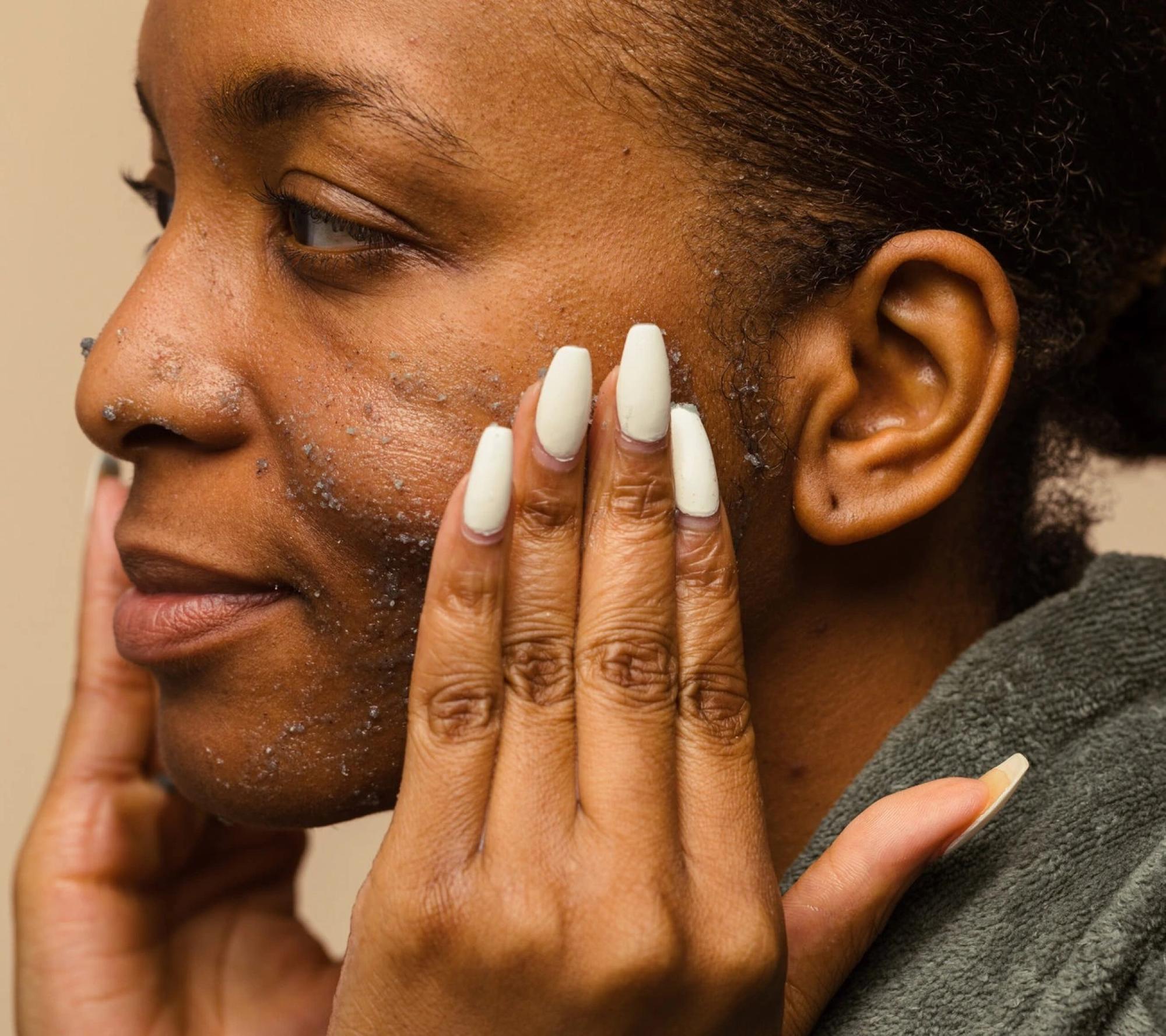
Microplastics solid plastic particles up to five millimeters in size that are not biodegradable " are pretty much everywhere. They have been detected in over 1,500 different marine animal species. They also find their way into our bodies via the water cycle and the food chain. In fact, the average person consumes up to five grams of microplastics per week. The European Union has now banned intentionally added microplastics. This applies to plastic glitter or polyethylene particles used as abrasives in scrubs, shower gel and toothpaste (these have been banned in the US since the 2015 Microbead-Free Waters Act). Under the terms of the ban, some products, such as plastic glitter found in creams or eye shadow, have been granted a transitional period to give manufacturers a chance to develop new designs. LUSH and The Body Shop are among the companies that have long been offering natural alternatives, using ground nuts, bamboo, sea salt and sugar. Beiersdorf AG ... has not used microbeads for exfoliation purposes since 2015. Instead, it has used, for example, cellulose particles or shredded apricot kernels. Since the end of 2019, all Beiersdorf wash-off products have been free of microplastics. Before the EU ban, Germany stopped providing public funding for artificial turf pitches with granules containing a high proportion of microplastic. As a result, the country already has hundreds of pitches that are filled with cork and sand instead of microplastics.
Latest
Latest News
Each news summary is created according to strict standards. Here's how we do it.
Each summary is created using a consistent editorial procedure. The target length is approximately 16 lines of 11-point Arial text in a 650-pixel-wide column. Up to 25% of a summary may be set in bold to emphasize the most important ideas. Summaries are composed of verbatim excerpts presented in the same sequence as they appear in the original news source, with very minor editorial additions. Where material has been omitted between excerpts, the omission is indicated with ellipses (...). Any words added by an editor for clarity or context appear in [brackets]. Our original news editor was Fred Burks. Tod Fletcher edited most summaries from 2007 through 2014, and Mark Bailey has served as news editor since 2014.