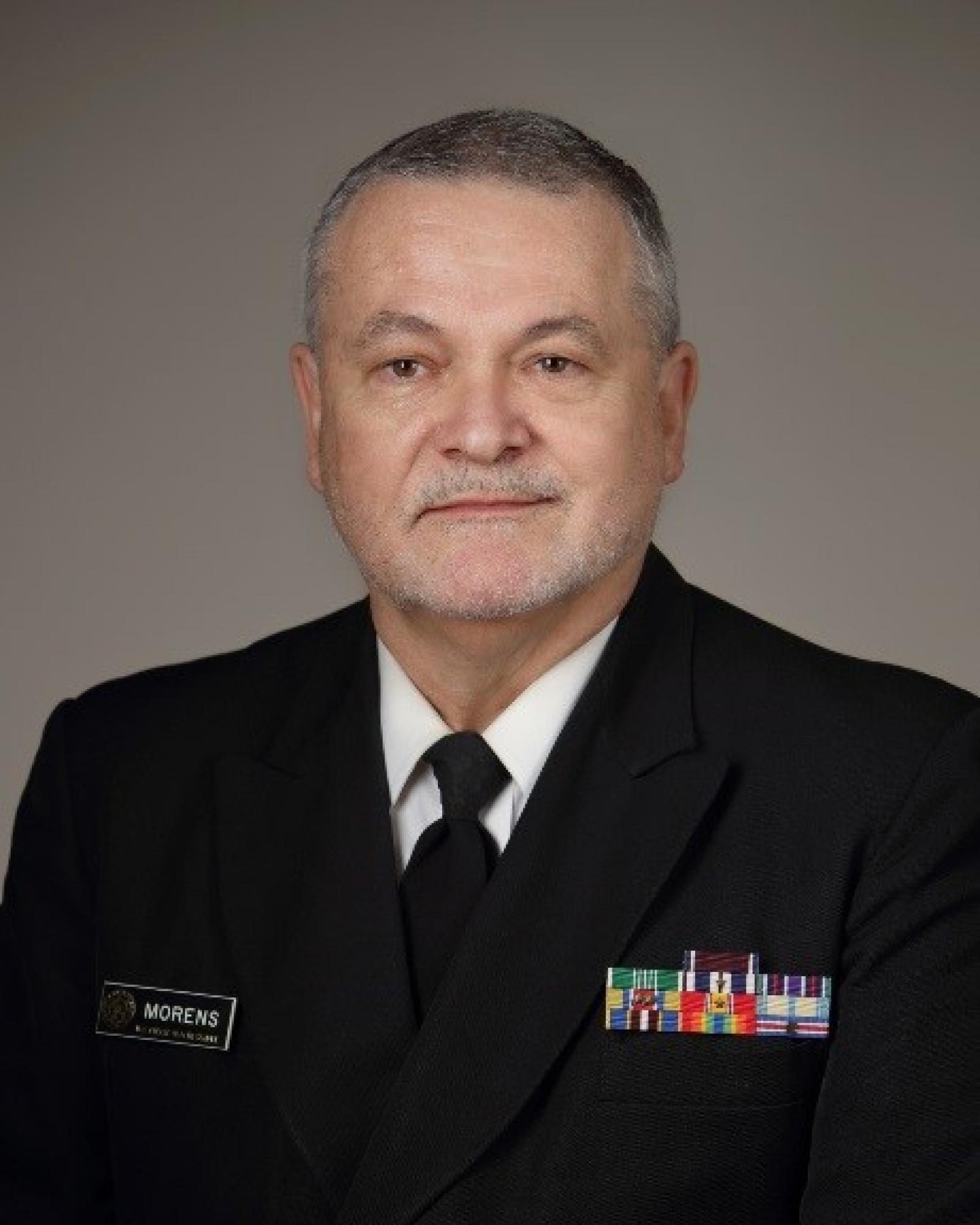
A top adviser to Anthony Fauci at the National Institutes of Health admitted that he used a personal email account in an apparent effort to evade the strictures of the Freedom of Information Act. As you know, I try to always communicate on gmail because my NIH email is FOIA'd constantly," wrote David M. Morens, a high-ranking NIH official. The email that contains Morens's statements was part of a broader exchange in which Morens and his scientist correspondents denounced media coverage by The Intercept and other publications concerning the origins of Covid and harshly criticized those who take seriously the possibility that the virus emerged from a research accident in Wuhan, China."I have not been approved to talk about 'origins' on the record. But today, to my total surprise, my boss [Anthony Fauci] actually ASKED me to speak to the National Geographic on the record about origins," Morens wrote at the time. "I interpret this to mean that our government is lightening up but that Tony doesn't want his fingerprints on origin stories." On Thursday, Rep. Brad Wenstrup, R-Ohio, the chair of the Select Subcommittee on the Coronavirus Pandemic, sent a letter to Morens. Documents ... "suggest that you may have used your personal e-mail to avoid transparency and the Freedom of Information Act (FOIA), potentially intentionally deleted federal records, and acted in your official capacity to disparage your fellow scientists, including by encouraging litigation against them."
Latest
Latest News
Each news summary is created according to strict standards. Here's how we do it.
Each summary is created using a consistent editorial procedure. The target length is approximately 16 lines of 11-point Arial text in a 650-pixel-wide column. Up to 25% of a summary may be set in bold to emphasize the most important ideas. Summaries are composed of verbatim excerpts presented in the same sequence as they appear in the original news source, with very minor editorial additions. Where material has been omitted between excerpts, the omission is indicated with ellipses (...). Any words added by an editor for clarity or context appear in [brackets]. Our original news editor was Fred Burks. Tod Fletcher edited most summaries from 2007 through 2014, and Mark Bailey has served as news editor since 2014.