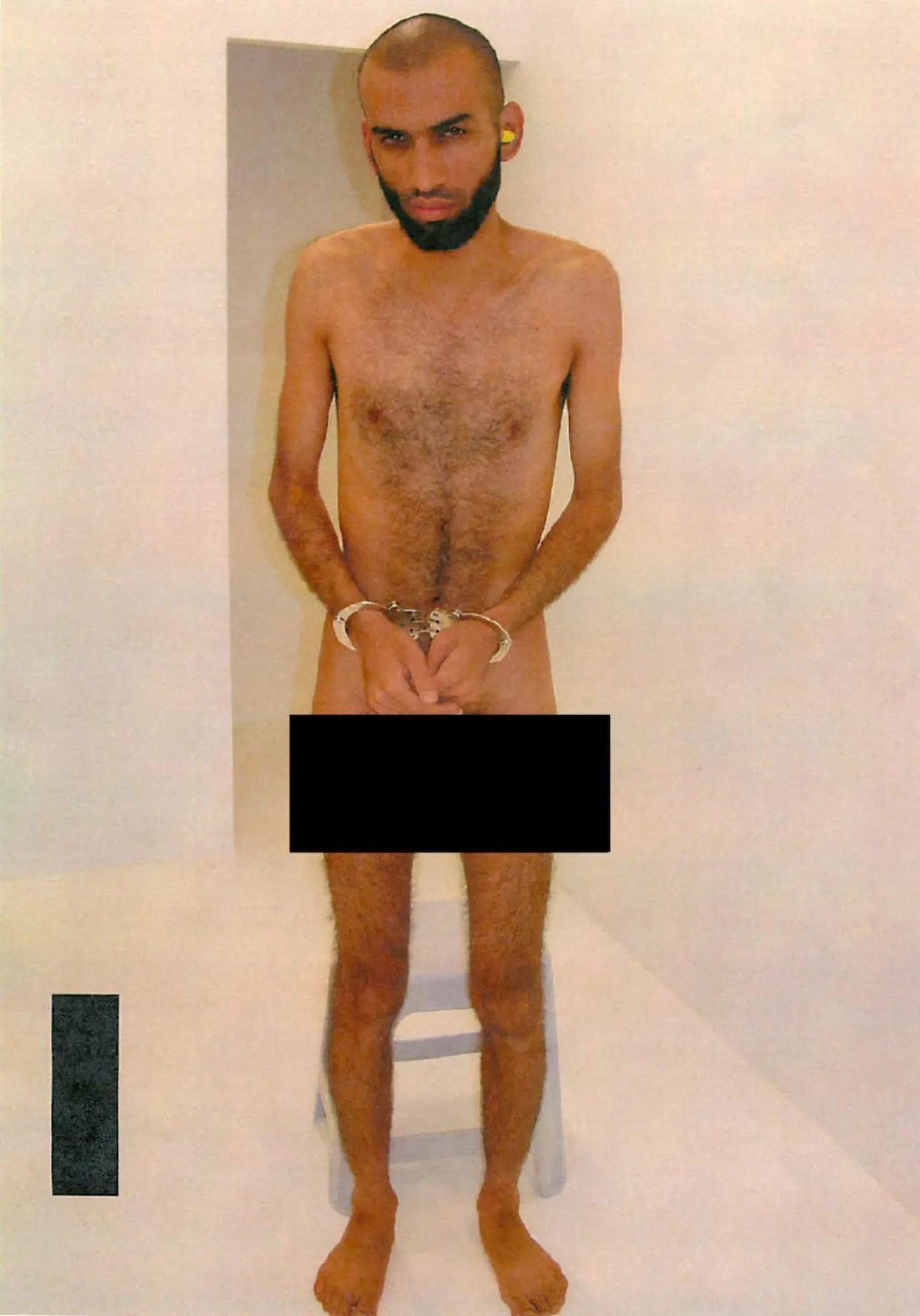
When a military judge threw out a defendant's confession in the Sept. 11 case this month, he gave two main reasons. The prisoner's statements, the judge ruled, were obtained through the C.I.A.'s use of torture, including beatings and sleep deprivation. But equally troubling to the judge was what happened to the prisoner in the years after his physical torture ended, when the agency held him in isolation and kept questioning him from 2003 to 2006. The defendant, Ammar al-Baluchi, is accused of sending money and providing other support to some of the hijackers who carried out the terrorist attack, which killed 3,000 people. In court, Mr. Baluchi is charged as Ali Abdul Aziz Ali. He is the nephew of Khalid Shaikh Mohammed, the man accused of masterminding the plot. The judge, Col. Matthew N. McCall, wrote that it was easy to focus on the torture because it was "so absurdly far outside the norms of what is expected of U.S. custody preceding law enforcement questioning." "However," he added, "the three and a half years of uncharged, incommunicado detention and essentially solitary confinement all while being continually questioned and conditioned " is just as egregious" as the physical torture. Prosecutors are preparing to appeal. But the 111-page ruling was the latest blow to the government's two-decade-old effort to hold death penalty trials at Guantánamo Bay by sweeping aside a legacy of state-sponsored torture.
Latest
Latest News
Each news summary is created according to strict standards. Here's how we do it.
Each summary is created using a consistent editorial procedure. The target length is approximately 16 lines of 11-point Arial text in a 650-pixel-wide column. Up to 25% of a summary may be set in bold to emphasize the most important ideas. Summaries are composed of verbatim excerpts presented in the same sequence as they appear in the original news source, with very minor editorial additions. Where material has been omitted between excerpts, the omission is indicated with ellipses (...). Any words added by an editor for clarity or context appear in [brackets]. Our original news editor was Fred Burks. Tod Fletcher edited most summaries from 2007 through 2014, and Mark Bailey has served as news editor since 2014.