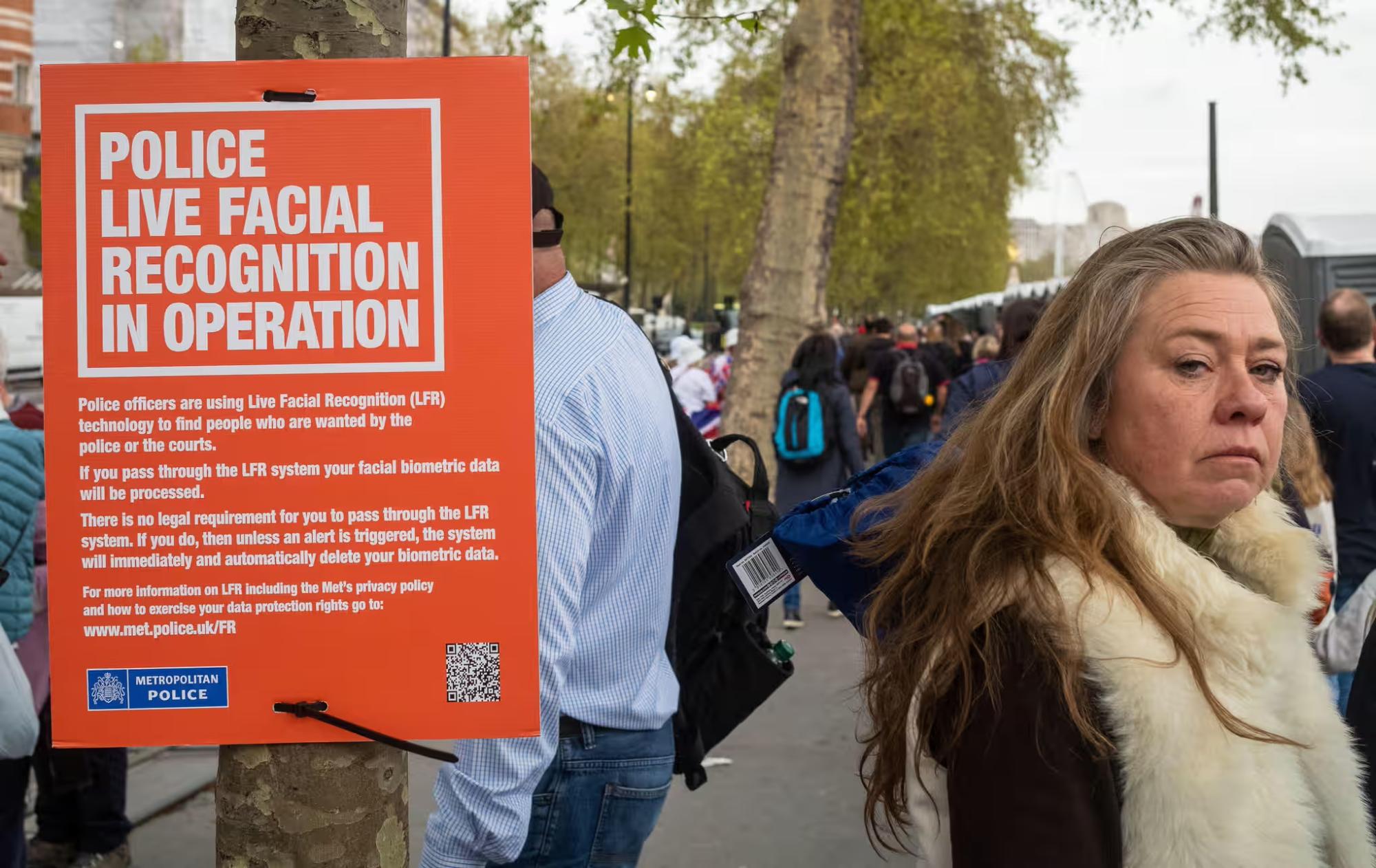
The eruption of racist violence in England and Northern Ireland raises urgent questions about the responsibilities of social media companies, and how the police use facial recognition technology. While social media isn't the root of these riots, it has allowed inflammatory content to spread like wildfire and helped rioters coordinate. The great elephant in the room is the wealth, power and arrogance of the big tech emperors. Silicon Valley billionaires are richer than many countries. That mature modern states should allow them unfettered freedom to regulate the content they monetise is a gross abdication of duty, given their vast financial interest in monetising insecurity and division. In recent years, [facial recognition] has been used on our streets without any significant public debate. We wouldn't dream of allowing telephone taps, DNA retention or even stop and search and arrest powers to be so unregulated by the law, yet this is precisely what has happened with facial recognition. Our facial images are gathered en masse via CCTV cameras, the passport database and the internet. At no point were we asked about this. Individual police forces have entered into direct contracts with private companies of their choosing, making opaque arrangements to trade our highly sensitive personal data with private companies that use it to develop proprietary technology. There is no specific law governing how the police, or private companies ... are authorised to use this technology. Experts at Big Brother Watch believe the inaccuracy rate for live facial recognition since the police began using it is around 74%, and there are many cases pending about false positive IDs.
Latest
Latest News
Each news summary is created according to strict standards. Here's how we do it.
Each summary is created using a consistent editorial procedure. The target length is approximately 16 lines of 11-point Arial text in a 650-pixel-wide column. Up to 25% of a summary may be set in bold to emphasize the most important ideas. Summaries are composed of verbatim excerpts presented in the same sequence as they appear in the original news source, with very minor editorial additions. Where material has been omitted between excerpts, the omission is indicated with ellipses (...). Any words added by an editor for clarity or context appear in [brackets]. Our original news editor was Fred Burks. Tod Fletcher edited most summaries from 2007 through 2014, and Mark Bailey has served as news editor since 2014.