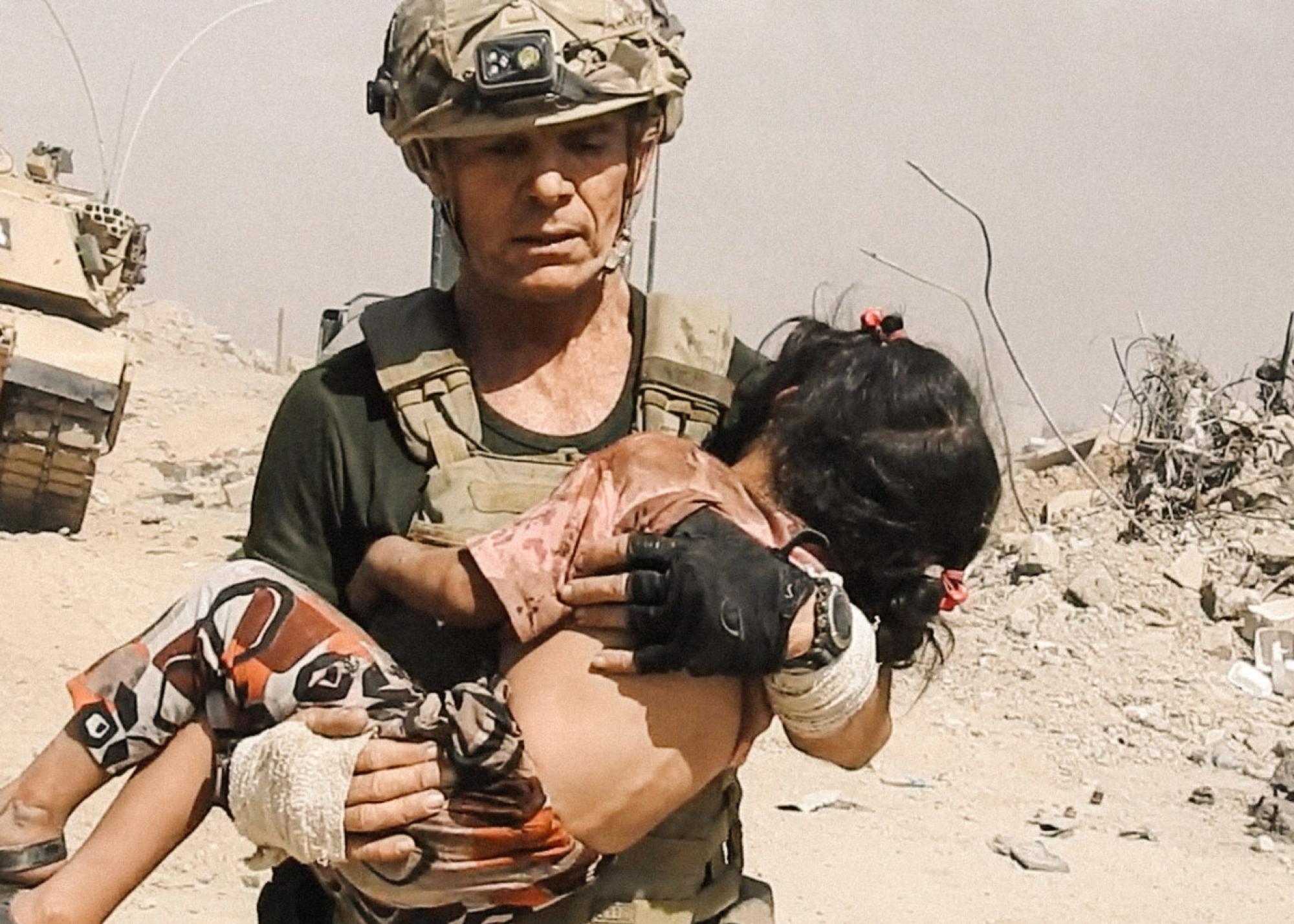
Since the coup in Burma three years ago, over 3 million people have been displaced and thousands have been killed. Not only was there heavy fighting between resistance forces and the Burma Army, but the Burma military regularly attacked civilian populations. Local pro-democracy resistance groups, the Karenni National Defense Force (KNDF) and Karenni Army, asked us to provide medical support as they tried to push the Burma Army out of the town of Shadaw in Karenni State. We went to help treat any wounded from the battle. 33 Burma Army soldiers were brought out of the camp. We told them, "Don't be afraid, we're not going to hurt you. See, this is what the people of Burma have been facing these last three years. For the ethnic people it's been over 70 years! The cause of the dictators is lost. Please give up on that idea, rooted in force, control, greed, and hate. We are not better than you. God has made us to love each other and help each other. We'll take care of you, but we first have to survive this attack together." As the jetfighters came in, screaming over us and releasing their bombs just over our heads, I gathered the couple to me with both of my arms and shielded them with my body the best I could. Our team followed my example, shielding their former enemies with their own bodies. One of the wounded had lost a lot of blood so one of Rangers, named Barnya, volunteered to give his blood to the Burma Army soldier. He lay down and looked straight at his former enemy as he gave the blood. The medics ... administered the transfusion, saving the soldier's life. This was blood given for the enemy out of love, not spilled by the enemy in hate.
Latest
Latest News
Each news summary is created according to strict standards. Here's how we do it.
Each summary is created using a consistent editorial procedure. The target length is approximately 16 lines of 11-point Arial text in a 650-pixel-wide column. Up to 25% of a summary may be set in bold to emphasize the most important ideas. Summaries are composed of verbatim excerpts presented in the same sequence as they appear in the original news source, with very minor editorial additions. Where material has been omitted between excerpts, the omission is indicated with ellipses (...). Any words added by an editor for clarity or context appear in [brackets]. Our original news editor was Fred Burks. Tod Fletcher edited most summaries from 2007 through 2014, and Mark Bailey has served as news editor since 2014.