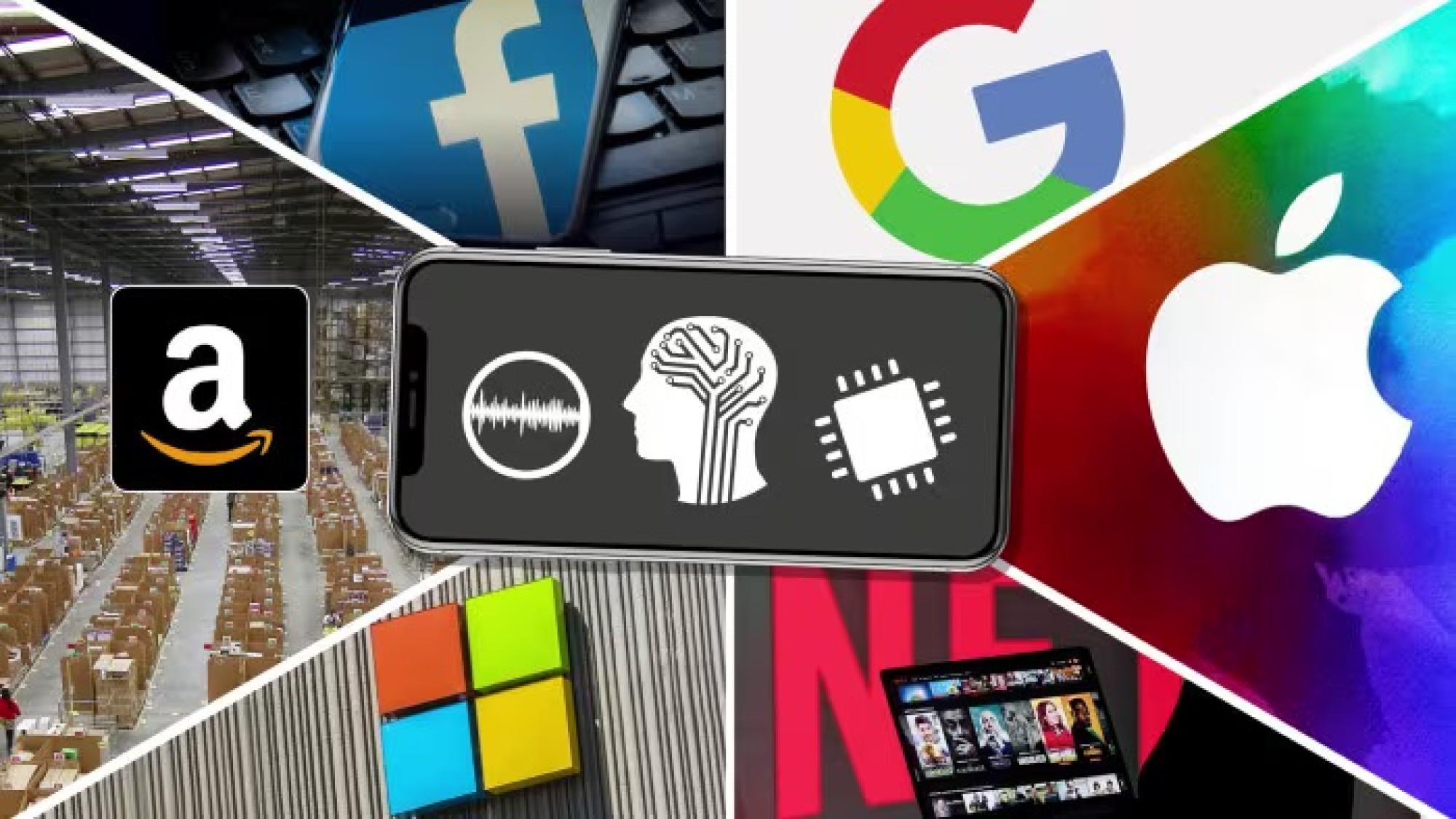
Liquid capital, growing market dominance, slick ads, and fawning media made it easy for giants like Google, Microsoft, Apple, and Amazon to expand their footprint and grow their bottom lines. Yet ... these companies got lazy, entitled, and demanding. They started to care less about the foundations of their business like having happy customers and stable products " and more about making themselves feel better by reinforcing their monopolies. Big Tech has decided the way to keep customers isn't to compete or provide them with a better service but instead make it hard to leave, trick customers into buying things, or eradicate competition so that it can make things as profitable as possible, even if the experience is worse. After two decades of consistent internal innovation, Big Tech got addicted to acquisitions in the 2010s: Apple bought Siri; Meta bought WhatsApp, Instagram, and Oculus; Amazon bought Twitch; Google bought Nest and Motorola's entire mobility division. Over time, the acquisitions made it impossible for these companies to focus on delivering the features we needed. Google, Meta, Amazon, and Apple are simply no longer forces for innovation. Generative AI is the biggest, dumbest attempt that tech has ever made to escape the fallout of building companies by acquiring other companies, taking their eyes off actually inventing things, and ignoring the most important part of their world: the customer.
Latest
Latest News
Each news summary is created according to strict standards. Here's how we do it.
Each summary is created using a consistent editorial procedure. The target length is approximately 16 lines of 11-point Arial text in a 650-pixel-wide column. Up to 25% of a summary may be set in bold to emphasize the most important ideas. Summaries are composed of verbatim excerpts presented in the same sequence as they appear in the original news source, with very minor editorial additions. Where material has been omitted between excerpts, the omission is indicated with ellipses (...). Any words added by an editor for clarity or context appear in [brackets]. Our original news editor was Fred Burks. Tod Fletcher edited most summaries from 2007 through 2014, and Mark Bailey has served as news editor since 2014.