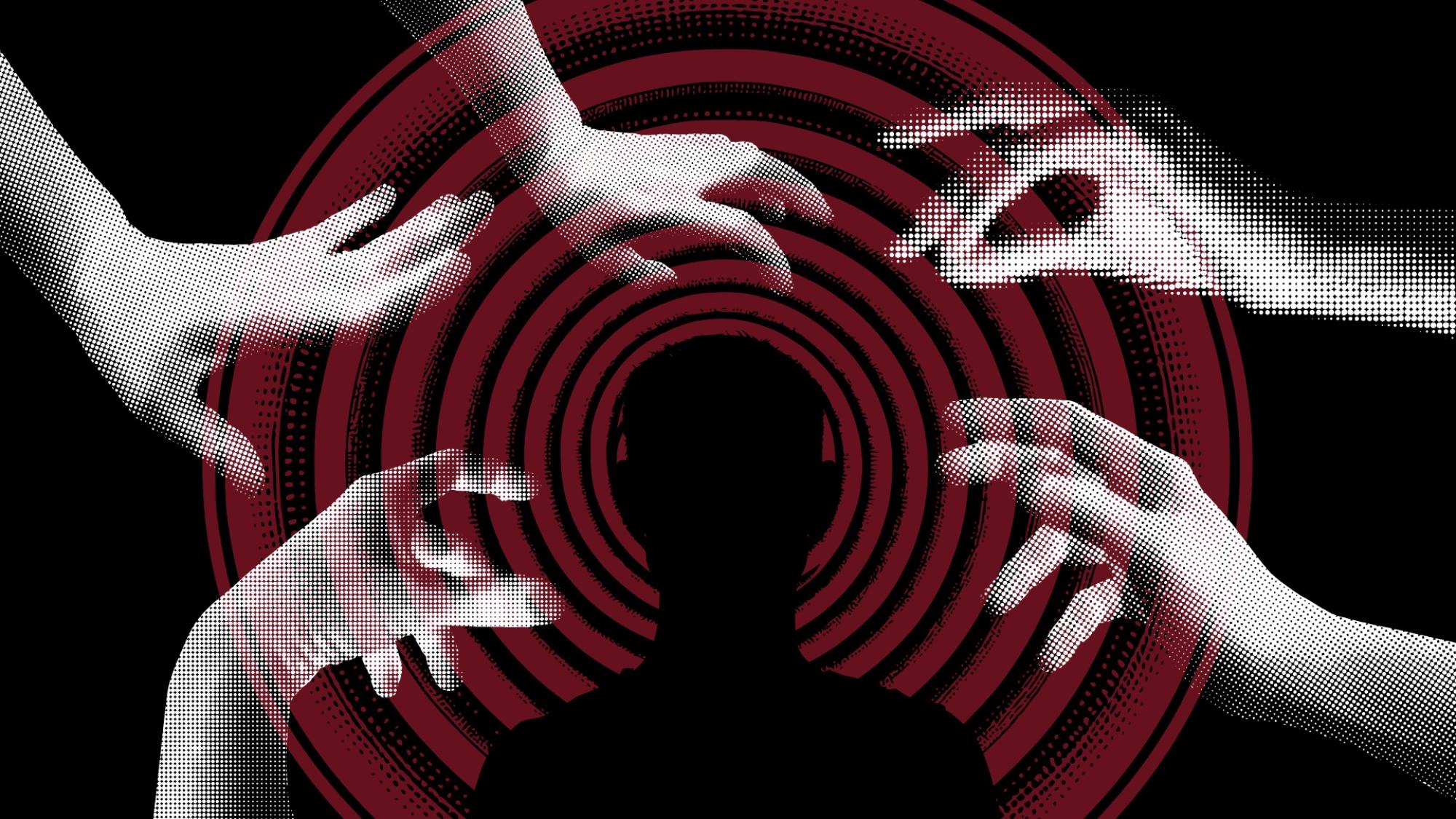
On Jan. 28, 2024, Noland Arbaugh became the first person to receive a brain chip implant from Neuralink, the neurotechnology company owned by Elon Musk. The implant seemed to work: Arbaugh, who is paralyzed, learned to control a computer mouse with his mind and even to play online chess. The device is part of a class of therapeutics, brain-computer interfaces (BCIs), that show promise for helping people with disabilities. A new discussion paper from the Carr Center for Human Rights welcomes the potential benefits but offers a note of caution. "In the past, there have been actors who were interested in controlling people's minds," [said] Lukas Meier, the paper's author. "It's not implausible that in the future there will be such actors, at whichever level, state or private sector, who might attempt the same but with improved technology." Meier speculates that in addition to decoding our thoughts, BCIs could be used to change our behavior. He describes research showing that some patients receiving deep brain stimulation for Parkinson's disease experience manic symptoms, including a 2006 case in which a patient with no previous criminal record broke into a parked car when the stimulator was activated, then returned to normal when the stimulation stopped. "Making somebody without any criminal record break into a car seems to be a pretty strong interference," he said. "Technological innovations which are becoming available ... are at high risk of being misused in order to gain an advantage."
Latest
Latest News
Each news summary is created according to strict standards. Here's how we do it.
Each summary is created using a consistent editorial procedure. The target length is approximately 16 lines of 11-point Arial text in a 650-pixel-wide column. Up to 25% of a summary may be set in bold to emphasize the most important ideas. Summaries are composed of verbatim excerpts presented in the same sequence as they appear in the original news source, with very minor editorial additions. Where material has been omitted between excerpts, the omission is indicated with ellipses (...). Any words added by an editor for clarity or context appear in [brackets]. Our original news editor was Fred Burks. Tod Fletcher edited most summaries from 2007 through 2014, and Mark Bailey has served as news editor since 2014.