

















Toxic Chemicals News Articles
Below are key excerpts of revealing news articles on the toxic chemicals that we're exposed to in our food, household products, environment, and more. If any link fails to function, a paywall blocks full access, or the article is no longer available, try these digital tools.
For further exploration, delve into our comprehensive Health and Food Corruption Information Center.

The Department of Defense relies on hundreds, if not thousands, of weapons and products such as uniforms, batteries, and microelectronics that contain PFAS, a family of chemicals linked to serious health conditions. Now, as regulators propose restrictions on their use or manufacturing, Pentagon officials have told Congress that eliminating the chemicals would undermine military readiness. PFAS, known as “forever chemicals” because they don’t break down in the environment and can build up in the human body, have been associated with such health problems as cancer. In July, a new federal study showed a direct link between testicular cancer and PFOS, a PFAS chemical that has been found in the blood of thousands of military personnel. In a report delivered to Congress in August, Defense Department officials pushed back against health concerns raised by environmental groups and regulators. According to the report, most major weapons systems, their components, microelectronic chips, lithium-ion batteries, and other products contain PFAS chemicals. These include helicopters, airplanes, submarines, missiles, torpedoes, tanks, and assault vehicles; munitions; semiconductors and microelectronics; and metalworking, cooling, and fire suppression systems. Beyond cancer, some types of PFAS have been linked to low birth weight, developmental delays in children, thyroid dysfunction, and reduced response to immunizations.
Note: If the above link fails, you can read the article here. PFAS are linked to serious health conditions: cancer, liver damage, hormonal disruption, reproductive issues, reduced sperm count, reduced immune response, and more. PFAS have also been found in 45% of US tap water. Read more on how war is hazardous to our health and environment in our Military-Intelligence Corruption Information Center.
Every day, farms across the country use a potentially cancer-causing chemical that is in the world’s most common weedkillers. And data shows that it’s most used in the Midwest and parts of the South. Glyphosate, the active ingredient in many herbicides, has been in use for nearly 50 years. The World Health Organization’s International Agency for Research on Cancer concluded in a 2015 report that the chemical “is probably carcinogenic to humans.” Glyphosate’s main use is in agriculture. Weedkillers containing it are used on nearly half of all planted acres of corn and soybeans in the U.S. They’re also used on acres of farmland where wheat, oats, fruits and cotton are grown. Pesticide residue testing from the FDA found glyphosate residues on a wide variety of crops, including oats, soybeans, cranberries, grapes, raisins, oranges, apples, cherries and beans. A 2020 Department of Health and Human Services report notes that the greatest potential exposure is among farm workers and gardeners that use glyphosate-based herbicides and those who live near farms, manufacturing plants ... and hazardous waste disposal sites. For the general public, the report notes that exposure to glyphosate typically comes by touching or eating food or water containing residues. Some studies have found a link between increased cancer rates and higher levels of exposure. Several peer-reviewed studies have also suggested that herbicides containing glyphosate may disrupt hormones and alter the gut microbiome.
Note: Don't miss the interactive map of glyphosate usage available at the link above. For more along these lines, see concise summaries of deeply revealing news articles on food system corruption and health from reliable major media sources.
Our food and our health are deeply connected. American healthcare spending has ballooned to $3.5tn a year, and yet we are sicker than most other developed countries. Meanwhile, our food system contains thousands of chemicals that have not been proven safe and many that are banned in other countries. Instead of potentially hazardous substances being banned from our food, as they are in, say, Europe, chemicals of concern are typically considered innocent until proven guilty. As a result, we are the guinea pigs in our own experiment. For decades weve operated on the principle that if we can selectively kill off the unwanted parts of the natural world, we can control our futures. Farmers operate that way, but also homeowners, highway crews and landscapers. We spread herbicides, fungicides, pesticides, insecticides, fertilizers, antibiotics, hormones and various other toxins which kill everything around. Even good things. Were becoming aware of the loss of what we can see: bees, butterflies, the diverse plant life of our ecosystems. We also need to worry about the invisible microbiome and fungi in the soil that nurture life above, store carbon and absorb water. By trying to control crops with herbicides, antibiotics and pesticides, weve actually bred bugs, weeds and diseases that are resistant to our control. And our chemical onslaught will have long-term effects. Our fertilizers and pesticides leach into groundwater and streams, head out to sea and create dead zones. They also leach into our drinking water.
Note: For more along these lines, see concise summaries of deeply revealing news articles on food system corruption from reliable major media sources.
In Kargi, a remote desert village in the far north of Kenya, cancers of the digestive tract plague the population at unusually high rates. The disease most often attacks the esophagus, though stomach cancer is also common. Some patients think it’s a punishment from God. The evidence on the ground suggests it’s more likely from a multinational oil company. In the 1980s, foreign work crews dressed like astronauts descended on the village of Kargi and the surrounding Chalbi Desert to drill for oil. They spent five unsuccessful years boring nearly a dozen wells thousands of feet into the ground. The men were from Amoco, an American oil company now owned by BP. To mark their presence was a dry white substance scattered on the ground, close to the water wells used by residents and their livestock. The substance the company left behind contained heavy metals and known carcinogens. When locals discovered the flaky substance around the wells, many believed it was natural salt and started using it to cook their food. The water was contaminated. High levels of carcinogenic toxic chemicals, namely nitrates, had seeped into surrounding boreholes and wells — the only water supply in the desert. Animals began dying in the thousands. And people started getting cancer. By the early 2000s, the cancer rate in the community was three times the national average. No official cleanup has ever been done. The community has lost hope in getting answers.
Note: For more along these lines, read our concise summaries of news articles on corporate corruption and toxic chemicals.
Pesticides banned years ago in the European Union are drifting through the skies and turning up in clouds above France, raising concerns about how long these toxins persist and how far they can travel, with potentially harmful global health impacts, according to a pathbreaking new study. The research ... is the first to detect dozens of agricultural chemicals—including insecticides, herbicides, fungicides, and other substances—suspended in cloud water droplets. That means pesticides not only linger in the environment but also move through the atmosphere and fall back to Earth in rain or snow, sometimes at levels exceeding European safe drinking water limits. The study found that clouds can carry current-use pesticides, long-banned compounds, and “emerging contaminants“—industrial chemicals that either build up in the environment or form when older pesticides break down. Some even transform into new compounds in the atmosphere itself, beyond what regulators have known to consider. Researchers estimate that French skies alone may contain anywhere from a few tons to more than 100 tons of pesticides at any given time—most carried in from distant sources. Out of 446 possible chemicals screened—including pesticides, biocides (compounds that kill harmful organisms), additives, and transformation products (breakdown products of pesticides)—researchers found 32 different compounds in cloud water.
Note: Across the US, a powerful legislative push is underway to protect pesticide manufacturers from being held accountable for the harms caused by their products. Check out our latest Substack, "The Pesticide Crisis Reveals The Dark Side of Science. We Have The Solutions to Regenerate."
U.S. private equity firms have bought up producers and distributors of a chemical compound known to cause brain damage, cancer and other illnesses. Blackstone and American Securities LLC, which control assets worth billions of dollars, have in recent years acquired operations in Canada and elsewhere that sell lead chromate, a toxic powder used in paint, on roads and machinery, and even in food. Studies have shown declines in safety practices following private equity investment, including more workplace accidents and deaths. Health experts and others focused on corporate accountability say private equity’s expansion into the lead chromate industry is concerning. "These firms set up structures for ownership to have zero legal responsibility for what happens at that company,” said Justin Flores, campaign director at the Private Equity Stakeholder Project, a U.S. nonprofit research and advocacy organization. Lead chromate in paint covers parking lots, children’s playgrounds, and hospitals from Mexico to Greece, studies show, raising concerns over what happens when the pigment breaks down, leaching lead into dust, soil and water runoff. Earlier this year, the U.S. Food and Drug Administration confirmed that lead chromate was found in cinnamon applesauce pouches that sickened hundreds of children. The tainted applesauce sailed through loopholes and food safety systems around the world.
Note: For more along these lines, see concise summaries of deeply revealing news articles on financial system corruption and toxic chemicals from reliable major media sources.
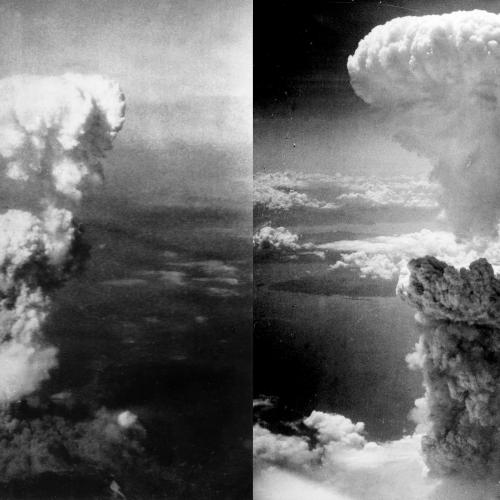
The 43,000 tons of radioactive waste and soil came from a top-secret initiative: The Manhattan Project, which built the atomic bombs America dropped on Japan in 1945. In 1973, that waste ended up in an unlined landfill in Bridgeton, Missouri, a St. Louis suburb. Workers spread it to cover trash and construction debris. In 1990, the U.S. Environmental Protection Agency declared the West Lake Landfill one of the nation’s most contaminated sites requiring cleanup. [In 2012], residents mobilized, spotlighting stories of children dying from cancer. And they pressed waste-management giant Republic Services, the dump’s owner, to remove the radioactive waste. In refuting neighbors’ complaints, Republic tapped an unlikely ally that U.S. corporations have leaned on for decades: a federal health agency set up to protect people from environmental hazards just like the West Lake dump. A 2015 report by that small bureaucracy, the Agency for Toxic Substances and Disease Registry (ATSDR) ... declared that the landfill posed no health risk to the community. Deborah Mitchell grew up ... less than a mile from the dump. She lost both parents to cancer and battled the disease herself. Dozens of neighbors have similar stories. Three cancer researchers told Reuters the number of cases in the neighborhood is worrisome. “You just feel like you’re being gaslighted by your own government,” Mitchell said of the ATSDR’s role.
Note: For more along these lines, see concise summaries of deeply revealing news articles on government corruption and toxic chemicals from reliable major media sources.
Plastic producers have known for more than 30 years that recycling is not an economically or technically feasible plastic waste management solution. That has not stopped them from promoting it, according to a new report. “The companies lied,” said Richard Wiles, president of fossil-fuel accountability advocacy group the Center for Climate Integrity (CCI), which published the report. “It’s time to hold them accountable for the damage they’ve caused.” Plastic, which is made from oil and gas, is notoriously difficult to recycle. Doing so requires meticulous sorting, since most of the thousands of chemically distinct varieties of plastic cannot be recycled together. That renders an already pricey process even more expensive. Another challenge: the material degrades each time it is reused, meaning it can generally only be reused once or twice. The industry has known for decades about these existential challenges, but obscured that information in its marketing campaigns. The report does not allege that the companies broke specific laws. But Alyssa Johl, report co-author and attorney, said she suspects they violated public-nuisance, racketeering and consumer-fraud protections. The industry’s misconduct continues today. Over the past several years, industry lobbying groups have promoted so-called chemical recycling, which breaks plastic polymers down into tiny molecules. But the process creates pollution and is even more energy intensive than traditional plastic recycling.
Note: For more along these lines, see concise summaries of deeply revealing news articles on corporate corruption from reliable major media sources.
Vinyl chloride entered the spotlight after the Feb. 3 Ohio train derailment. But the hazardous substance has been around for decades and is everywhere — from buildings and vehicle upholstery to children's toys and kitchen supplies — and factories have been emitting the EPA-designated toxic chemical into the air for years. The train that derailed had the manmade and volatile compound on board, prompting temporary evacuations. But the derailment isn't the first time vinyl chloride has alarmed experts. Experts say that the volatile compound, "used almost exclusively by the plastics industry," has "leached into groundwater from spills, landfills, and industrial sources," and that people who live around plastic manufacturing facilities "may be exposed to vinyl chloride by inhalation of contaminated air." According to the EPA's Toxics Release Inventory (TRI), which "tracks the management of certain toxic chemicals that may pose a threat to human health and the environment," there are 38 TRI facilities in 15 states — mostly around the Gulf of Mexico and the eastern U.S. — that use vinyl chloride, emitting about half a million pounds of the substance every year. The problem begins at vinyl chloride's origins. It's generated from ethane, which is obtained through fracking natural gas. The U.S. Energy Information Administration said ethane production hit a monthly record last year of more than 2.4 million barrels per day. The global PVC market is expected to become a $56.1 billion industry within the next 3 years.
Note: For more along these lines, see concise summaries of deeply revealing news articles on corporate corruption and health from reliable major media sources.
A widely used pesticide could be placing frog populations in danger by diminishing their ability to reproduce properly. Not only does exposure to the chemical linuron a potato herbicide reduce male frog fertility, it skews the sex ratios of growing tadpoles significantly towards females. The devastation pesticides have caused to insect populations has been well documented, with German scientists warning of an ecological Armageddon when they found numbers had plummeted by 75 per cent in the countrys nature reserves. Knock-on effects further up the food chain are thought to be behind the disappearance of many bird species from the European countryside. But pesticides can have toxic effects on other animals too, and there has been a distinct lack of research into their effects on amphibians. To improve this situation, ecotoxicologist Dr Cecilia Berg of the University of Uppsala and a team of ... researchers set out to investigate the effects of linuron in the West African clawed frog. They found that the tadpoles grew ovaries substantially more than they grew testicles, an effect the team attributed to the endocrine disrupting or hormone disrupting properties of linuron, which could hinder production of testosterone. The male frogs exposed to the chemicals as tadpoles were less fertile and had certain feminine characteristics. While linuron is not licensed for use in the UK ... it is widely used in other parts of the European Union (EU) and North America.
Note: Don't forget that humans drink the water contaminated by these chemicals, too. For more along these lines, see concise summaries of deeply revealing news articles on food system corruption and health.
The Supreme Court on Thursday restricted a massive wave of lawsuits claiming the chemical giant Monsanto had a duty to warn consumers of alleged cancer risks from the world’s most popular weed killer, Roundup. The justices ruled that federal law preempts cancer victims from bringing lawsuits against Monsanto in state courts, where most such claims are filed. The justices [also] ruled Monsanto was not required to offer a warning because the Environmental Protection Agency holds that Roundup’s active ingredient, glyphosate, is not a cancer risk. “EPA has not required glyphosate-based pesticides like Roundup to include a cancer warning on their labels,” Justice Brett M. Kavanaugh wrote for the majority. “Therefore, as a matter of federal law, Monsanto legally must use a label without a cancer warning unless and until EPA approves or requires a change.” Monsanto has marketed Roundup as safe to spray in a t-shirt and shorts. The EPA has repeatedly found that glyphosate, which was first marketed in the 1970s, does not cause cancer. Glyphosate is used on about 300 million acres of farmland in the United States. In 2015 the International Agency for Research on Cancer, which is associated with the United Nations and World Health Organization, found glyphosate was “probably carcinogenic to humans.” The agency found a likely link between non-Hodgkin lymphoma and glyphosate.
Note: Our Substack, "The Pesticide Crisis Reveals The Dark Side of Science. We Have The Solutions to Regenerate," uncovers the scope of Bayer/Monsanto's media propaganda machine and the widespread conspiracy to poison our food, air, and along with the powerful remedies and solutions to this crisis. For more along these lines, read our concise summaries of news articles on government corruption and toxic chemicals.
Cory Kreft began working on a honey farm at 15 years old ... eventually buying the business from his former boss. But in 2021, his bees suddenly began dying. He lost 85 percent of his hives. The losses continued the next year, and the next. After extensive testing, he identified the culprit: a relatively new class of pesticides called neonicotinoids, often shortened to neonics. Thanks in part to a federal regulatory loophole, the use of neonic-treated seed has quietly exploded in recent years, with little regulation or oversight. Almost all conventional corn and more than half of soy seed in the U.S. is now treated with neonics. When bees encounter neonic-contaminated pollen, the neurotoxin disrupts the neurological functions they rely on to navigate, forage, and survive. The hive then slowly declines and dies. “Over the last five years, we’ve seen between 60 to 85 percent hive mortality each year,” said Kreft. “It’s about a million dollars in losses for us annually.” While the harm neonics inflict on pollinators is well documented, their effects on humans remain less certain. A recent study found that over 95 percent of pregnant women had neonics in their bodies. The chemicals have been linked to neurological, reproductive system, and developmental harms. Because neonics are now so widespread in food and water ... exposure has become nearly constant. “It’s everywhere now,” [researcher Jennifer Sass] said. “It’s in breast milk, tap water, even in baby food.”
Note: For more along these lines, read our concise summaries of news articles on toxic chemicals and mass animal deaths.
The US Environmental Protection Agency (EPA) is failing to put warnings on pesticides linked to cancer — even when the agency itself determined a product’s ingredients are carcinogenic, according to two new analyses of federal data. The EPA has put cancer warnings on 1.4% — 69 of 4,919 — of pesticide labels for products that contain an active ingredient that the agency itself has designated “probable” or “likely” to cause cancer, the analyses found. In addition, just 1.1% — 242 of 22,147 — of pesticide labels that contain ingredients with “possible” or “suggestive” links to cancer have cancer warnings from the EPA. The analyses ... come as one of the world’s top pesticide manufacturers, Bayer, seeks to rid itself of costly litigation over whether its glyphosate-based herbicides cause cancer. The company is pushing the US Supreme Court to rule the EPA should have sole authority over pesticide cancer labels — a ruling that would have far-reaching implications for pesticide labeling. For years Bayer, alongside more than a hundred other agricultural organizations, has also been lobbying for state laws that bar people from suing pesticide manufacturers for failing to warn them of health risks, as long as the product labels are approved by the EPA. Two states — Georgia and North Dakota — passed such laws. The 2026 Farm Bill ... would force uniform pesticide labels across the country, which preempts state or local governments from mandating stricter labels.
Note: Read our Substack investigation into the pesticide crisis and how it reveals the dark side of science. For more along these lines, read our concise summaries of news articles on government corruption and toxic chemicals.
The House Committee on Agriculture passed the “Farm, Food, and National Security Act of 2026” on March 5. The 800-page document is being praised by Big Agriculture and industry groups. But public health advocates warn that the bill is set to further erode well-being and health in the U.S., further deepening the hypocrisy of Secretary of Health and Human Services (HHS) Robert F. Kennedy Jr.’s repeated promise to “Make America Healthy Again.” “Rather than address the economic crises facing America’s family farmers, this Farm Bill is a thinly veiled gift bag for Big Ag and pesticide manufacturers. It’s a massive slap in the face to people ... demanding a healthier food system,” said [agriculture campaigner] Jason Davidson. Section 10205 blocks consumers and farmers harmed by pesticides from suing companies over inadequate safety labeling. Section 10206 would overturn all state and local laws that protect food safety. Section 10207 would repeal federal statutes created to protect people and animals from pesticides. Rep. Chellie Pingree ... introduced an amendment that would have stripped these sections from the bill, but the effort was rejected. “This Farm Bill is a gift to Big Chemical, plain and simple. It delivers exactly what giants like Bayer have spent years lobbying for: blanket immunity from lawsuits and the power to gut the state warning label laws that protect families, farmers, and children,” said the congresswoman in a statement.
Note: Read our Substack investigation into what the pesticide crisis reveals about the dark side of science. For more along these lines, read our concise summaries of news articles on food system corruption and toxic chemicals.
The White House invokes the Defense Production Act to guarantee supplies of elemental phosphorus and glyphosate-based herbicides. Regulators reapprove dicamba, a Bayer herbicide twice blocked by federal courts, and clear the way for new pesticides containing toxic, persistent PFAS “forever” chemicals. And the U.S. Justice Department urges the U.S. Supreme Court to erase billions of dollars of Bayer’s liability for its glyphosate-based Roundup weed killer – placing the weight of the executive branch on the side of a foreign company against thousands of Americans who say Bayer’s products caused their cancers. Over the past year, the administration under President Donald J. Trump has delivered a string of victories to Bayer, the German agrichemical and pharmaceutical giant that merged with Monsanto in 2018 to become the world’s leading manufacturer of genetically modified seeds and pesticides. These favors to Bayer clash with Trump’s promise to “Make America Healthy Again,” which many supporters understood as a pledge to confront industries linked to chronic disease. Our review of Bayer’s access in Washington found 22 key administration officials with ties to Bayer’s lobbying or legal network. Bayer and its lobbyists have access to people in power at the White House, U.S. Department of Agriculture, the Environmental Protection Agency and even those in high level positions closest to Trump.
Note: In addition to increasing cancer risk by 41%, glyphosate is linked to severe depression and cognitive decline. Our latest Substack, "The Pesticide Crisis Reveals The Dark Side of Science. We Have The Solutions to Regenerate," uncovers the scope of Monsanto's media propaganda machine and the widespread conspiracy to poison our food, air, and along with the powerful remedies and solutions to this crisis. For more along these lines, read our concise summaries of news articles on government corruption and toxic chemicals.
Poisonous dust falls from the sky over the town of Ogijo, near Lagos, Nigeria. It coats kitchen floors, vegetable gardens, churchyards and schoolyards. The toxic soot billows from crude factories that recycle lead for American companies. With every breath, people inhale invisible lead particles and absorb them into their bloodstream. The metal seeps into their brains, wreaking havoc on their nervous systems. It damages livers and kidneys. Toddlers ingest the dust by crawling across floors, playgrounds and backyards, then putting their hands in their mouths. As the United States tightened regulations on lead processing ... finding domestic lead became a challenge. So the auto industry looked overseas to supplement its supply. In doing so, car and battery manufacturers pushed the health consequences of lead recycling onto countries where enforcement is lax, testing is rare and workers are desperate for jobs. Seventy people living near and working in factories around Ogijo volunteered to have their blood tested. Seven out of 10 had harmful levels of lead. Every worker had been poisoned. More than half the children tested in Ogijo had levels that could cause lifelong brain damage. Manufacturers that use Nigerian lead make batteries for major carmakers and retailers such as Amazon, Lowe’s and Walmart. All this is avoidable. Lead batteries can indeed be recycled as cleanly as advertised. But that requires millions of dollars in technology.
Note: This exposé reveals a brutal human and environmental toll behind cobalt used in batteries for phones and electric vehicles, where men, women, and children in the Democratic Republic of the Congo dig toxic, uranium-laced earth with bare hands and face deadly tunnel collapses, widespread disease, miscarriages, birth defects, sexual violence, and extreme poverty—while much of this suffering remains hidden within global supply chains. For more along these lines, read our concise summaries of news articles on toxic chemicals.
For decades, Khoji Wesselius has noticed the oily scent of pesticides during spraying periods when the wind has blown through his tiny farming village in a rural corner of the Netherlands. Now, after volunteering in an experiment to count how many such substances people are subjected to, Wesselius and his wife are one step closer to understanding the consequences of living among chemical-sprayed fields of seed potato, sugar beet, wheat, rye and onion. “We were shocked,” said Wesselius ... who had exposure to eight different pesticides through his skin, with even more chemicals found through tests of his blood, urine and stool. “I was contaminated by 11 sorts of pesticides. My wife, who is more strict in her organic nourishment, had seven sorts of pesticides.” Regulators closely monitor dietary intake of pesticides when deciding whether they are safe enough for the market, but little attention has been paid to the effects of breathing them in or absorbing them through the skin. According to a new study, even people who live far from farms are exposed to several different types of pesticides from non-dietary sources. The researchers got 641 participants in 10 European countries to wear silicone wristbands continuously for one week to capture external exposure to 193 pesticides. In laboratory tests, they detected 173 of the substances they tested for, with pesticides found in every wristband and an average of 20 substances for every person who took part.
Note: Our latest Substack, "The Pesticide Crisis Reveals The Dark Side of Science. We Have The Solutions to Regenerate," uncovers the scope of Monsanto's media propaganda machine and the widespread conspiracy to poison our food, air, and along with the powerful remedies and solutions to this crisis. For more along these lines, read our concise summaries of news articles on food system corruption and toxic chemicals.
Top regulatory officials met with agricultural and chemical industry representatives dozens of times in the first few months after President Donald Trump took office. [The meetings] were followed by a series of regulatory rollbacks and a downplaying of pesticide concerns by the administration’s “Make America Healthy Again” (MAHA) Commission. From February to mid-May, Environmental Protection Agency (EPA) leaders accepted meetings with representatives from at least 50 industry associations and companies, including agricultural and chemical giants such as Bayer, Corteva, BASF, Dow and the agrichemical lobbying group CropLife America, as well as the American Soybean Association, the National Cotton Council and others. Critics of the agrichemical industry said corporate influence in regulatory matters was underscored earlier this month when the Trump administration’s “Make America Healthy Again” (MAHA) Commission released its long-anticipated report on how to address chronic disease and clean up the food supply. The final version was significantly more friendly to the agricultural industry than a May MAHA report that cited the health risks posed by the widely used farm chemicals glyphosate and atrazine. The September report took aim at synthetic dyes and junk food, among other things, but deleted references to glyphosate and atrazine and made no mention of pesticide exposure routes or risks.
Note: For more along these lines, read our concise summaries of news articles on government corruption and toxic chemicals.
Pesticides once appeared to be a clear target for Robert F. Kennedy Jr.’s desire to “make America healthy again.” Before becoming the health secretary, he described Monsanto, the maker of the glyphosate-based herbicide Roundup, as “enemy of every admirable American value,” and vowed to “ban the worst agricultural chemicals already banned in other countries.” Since he came to power, many of Kennedy’s fans have waited eagerly for him to do just that. Kennedy has yet to satisfy them: In the latest MAHA action plan on children’s health, released last week, pesticides appear only briefly on a laundry list of vague ideas. The plan says that the government should fund research on how farmers could use less of them, and that the government "will work to ensure that the public has awareness and confidence” in the EPA’s existing pesticide-review process, which it called “robust.” Several studies have found neurological impacts associated with pesticides. UC Davis’s MIND Institute put out a study in 2014 that found autism risk was much higher among children whose mothers had lived near agricultural-pesticide areas while pregnant. A 2017 paper found that zip codes that conducted aerial spraying for mosquitoes—a pesticide—had comparatively higher rates of autism than zip codes that didn’t. Others have linked pesticides to a range of behavioral and cognitive impairment in children.
Note: For more along these lines, read our concise summaries of news articles on government corruption and toxic chemicals.
When it comes to pesticides, the Trump administration’s Make America Healthy Again, or MAHA, Commission has a serious problem: The Commission’s newly released strategy for addressing childhood chronic disease is better for the pesticide industry than for people. The US currently uses over a billion pounds of pesticides annually on our crops, about one-third of which is chemicals that have been banned in other countries. Many have been linked to serious health problems from cancer to infertility to birth defects. Those pesticides contaminate our air, our water, and our bodies. One cancer-linked pesticide, glyphosate, is now found in 80% of adults and 87% of children. [The Commission] barely mentions organic farming, despite the fact that organic is the clearest pathway to transforming our food system into one that is healthy and nontoxic. The US Department of Agriculture organic seal prohibits more than 900 synthetic pesticides allowed in conventional agriculture. Just one week on an organic diet can reduce pesticide levels in our bodies up to 95%. Synthetic food dyes—a key issue for the MAHA movement—are all prohibited by the organic seal, along with hundreds of other food additives and drugs. The Commission’s strategy ignores organic. Instead, it leans into promoting industry-friendly “precision agriculture”—the use of AI, machine learning, and digital tools on farms to optimize inputs—which primarily benefits corporate giants like Bayer.
Note: For more along these lines, read our concise summaries of news articles on government corruption and toxic chemicals.
Important Note: Explore our full index to revealing excerpts of key major media news articles on several dozen engaging topics. And don't miss amazing excerpts from 20 of the most revealing news articles ever published.