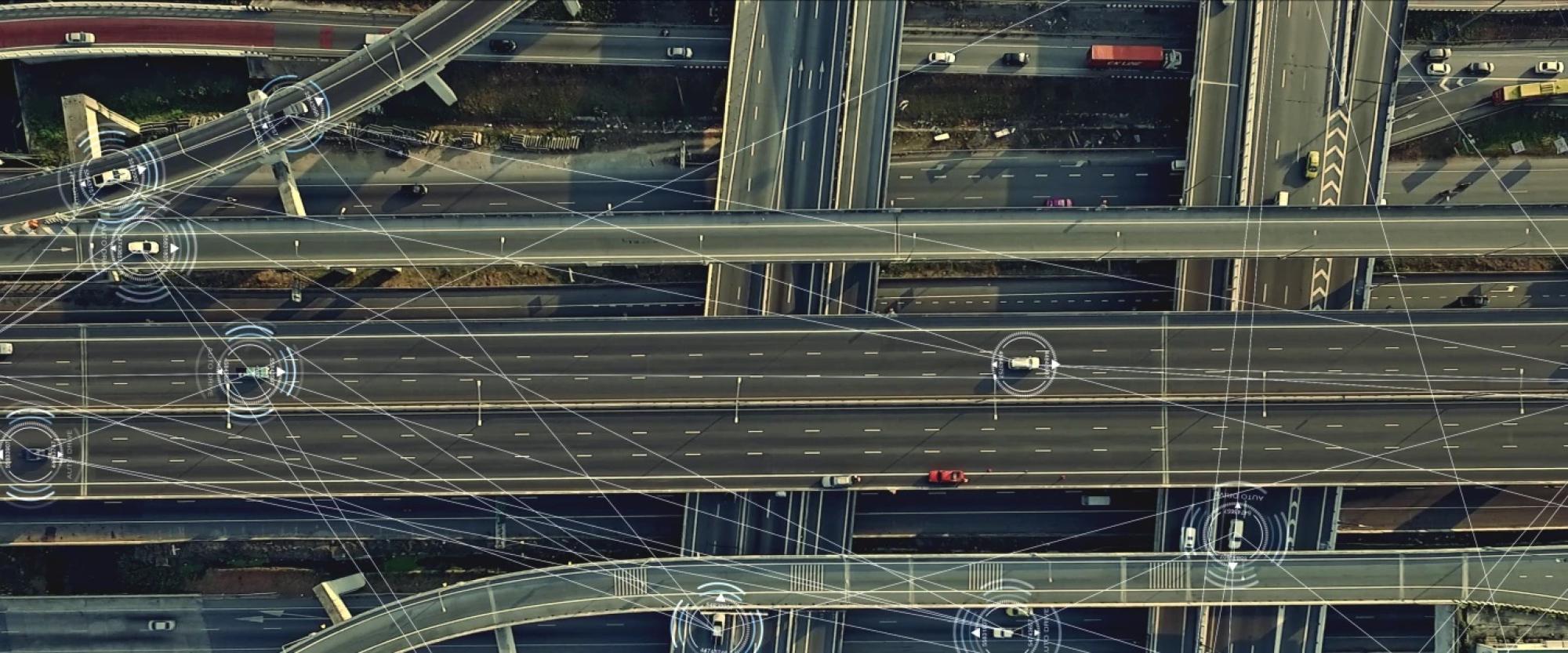
Federal and state Homeland Security grants allow local law enforcement agencies to surveil American citizens with technology more commonly found in war zones and foreign espionage operations. At least two Texas communities along the U.S.-Mexico border have purchased a product called "TraffiCatch," which collects the unique wireless and Bluetooth signals emitted by nearly all modern electronics to identify devices and track their movements. The product is also listed in a federal supply catalog run by the U.S. government's General Services Administration, which negotiates prices and contracts for federal agencies. Combining license plate information with data collected from wireless signals is the kind of surveillance the U.S. military and intelligence agencies have long used, with devices mounted in vehicles, on drones or carried by hand to pinpoint the location of cell phones and other electronic devices. Their usage was once classified and deployed in places like Afghanistan and Iraq. Today, similar devices are showing up in the streets of American cities. The Supreme Court has said that attaching a GPS tracking device to a car or getting historical location data from a cell carrier requires a search warrant. However, law enforcement has found ways around these prohibitions. Increasingly, as people walk around with headphones, fitness wearables and other devices ... their data can be linked to a car, even after they have ditched the car. Courts have not definitively grappled with the question: Under what circumstances can law enforcement passively capture ambient signal information and use it as a tracking tool?
Latest
Latest News
Each news summary is created according to strict standards. Here's how we do it.
Each summary is created using a consistent editorial procedure. The target length is approximately 16 lines of 11-point Arial text in a 650-pixel-wide column. Up to 25% of a summary may be set in bold to emphasize the most important ideas. Summaries are composed of verbatim excerpts presented in the same sequence as they appear in the original news source, with very minor editorial additions. Where material has been omitted between excerpts, the omission is indicated with ellipses (...). Any words added by an editor for clarity or context appear in [brackets]. Our original news editor was Fred Burks. Tod Fletcher edited most summaries from 2007 through 2014, and Mark Bailey has served as news editor since 2014.