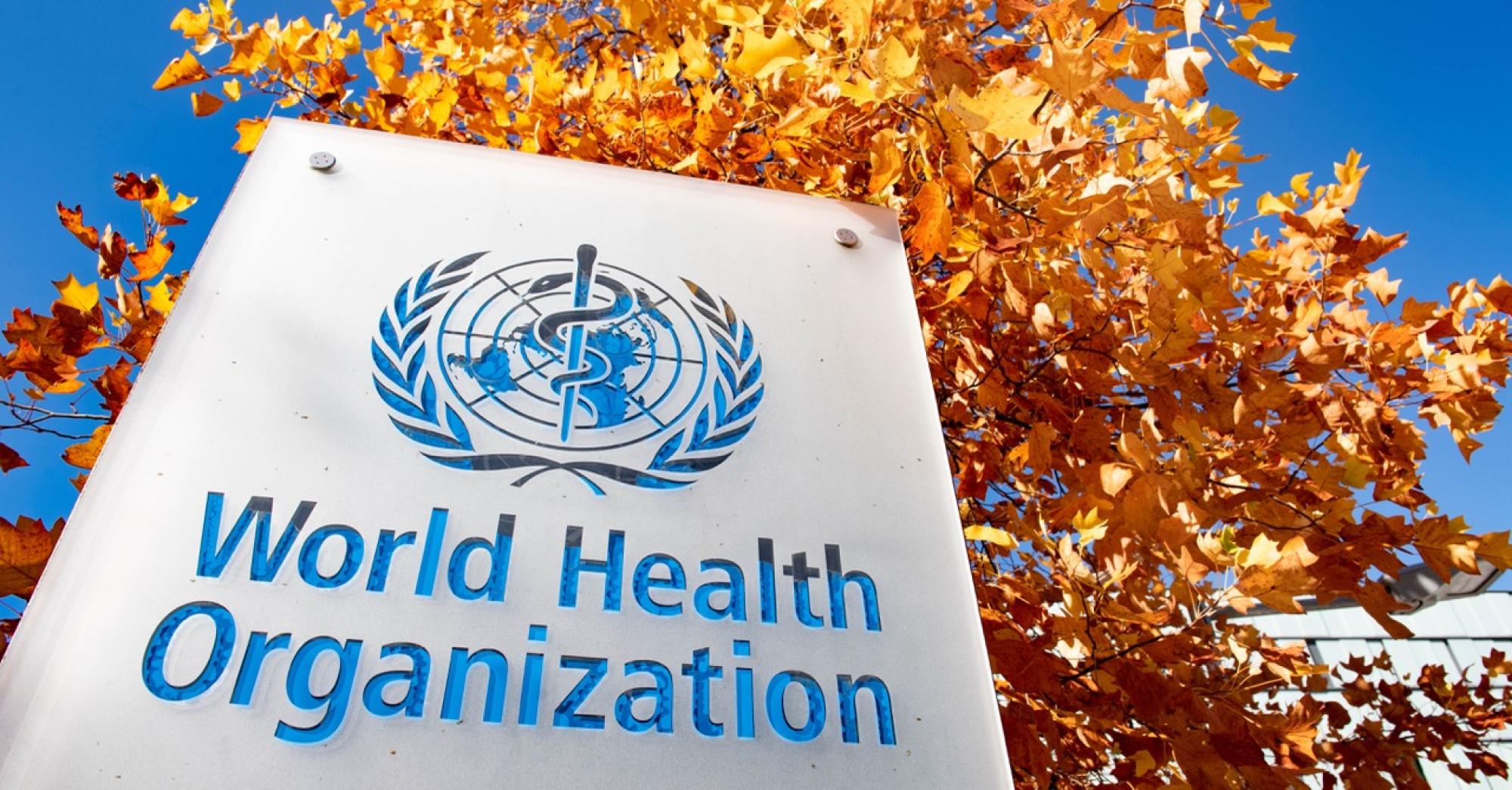
The transparency of donations to the World Health Organization (WHO) Foundationan independent body that seeks funds from across industry, civil society and governments, and awards grants to the WHO " has plummeted over its first 3 years of operations, a new analysis has found. The analysis found that the majority of donors are not publicly disclosed, including some unnamed gifts as big as $11 million, which raises concerns about the potential "level of outside influence and role of commercial interests in setting WHO priorities," the researchers wrote. In 2020, the foundation was set up to solicit funds from a wider range of donors than the WHO can directly accept, including wealthy individuals and corporations. Some academics and civil society organizations are concerned that accepting donations from industry, such as businesses selling alcohol and infant formula, poses a conflict of interest. Evidence suggests that some companies use donations "as opportunities to distract or reframe product harms.., and assist wider lobbying efforts against public health regulation," wrote the authors of the new analysis. Using a scale to judge transparency in donations developed by Open Democracy, an independent international media platform, the researchers gave the WHO Foundation a D grade. This grade is for organizations that only name a minority of funders and not in a systematic way, putting it on par with some 'dark money' think tanks.
Latest
Latest News
Each news summary is created according to strict standards. Here's how we do it.
Each summary is created using a consistent editorial procedure. The target length is approximately 16 lines of 11-point Arial text in a 650-pixel-wide column. Up to 25% of a summary may be set in bold to emphasize the most important ideas. Summaries are composed of verbatim excerpts presented in the same sequence as they appear in the original news source, with very minor editorial additions. Where material has been omitted between excerpts, the omission is indicated with ellipses (...). Any words added by an editor for clarity or context appear in [brackets]. Our original news editor was Fred Burks. Tod Fletcher edited most summaries from 2007 through 2014, and Mark Bailey has served as news editor since 2014.