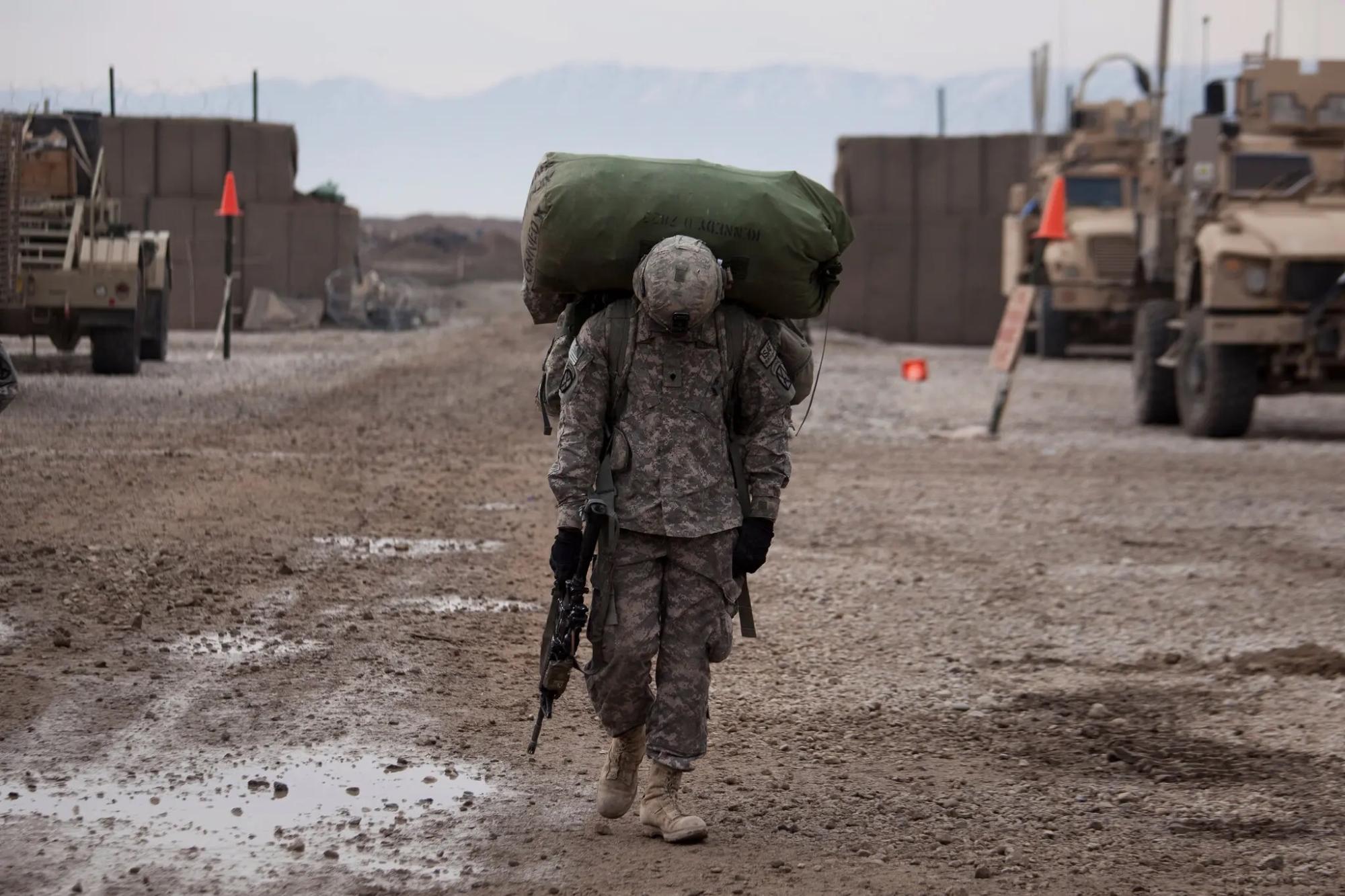
As the special inspector general for Afghanistan reconstruction since 2012, my staff and I have audited and investigated U.S. programs and spending to rebuild Afghanistan. We have detailed a long list of systemic problems. One general told us that he faced a challenge: How to spend the remaining $1 billion from his annual budget in just over a month? Returning the money was not an option. Another official we spoke to said he refused to cancel a multimillion-dollar building project that field commanders did not want, because the funding had to be spent. The building was never used. The entire system became a self-licking ice cream cone: More money was always being spent to justify previous spending. Important information for measuring the success of initiatives was at times deliberately " hidden from Congress and the American public. Since 2021 the United States has funneled $3.3 billion to Afghanistan through public international organizations, mainly United Nations offices, for humanitarian purposes. Some of this money helps the Afghan people, and some goes to the Taliban. Between the American withdrawal in August 2021 and this past May, U.S.-funded partners paid at least $10.9 million in taxes and fees to Taliban authorities. In July, we reported that two out of five State Department bureaus were unable to show that their contractors working in Afghanistan in 2022 had been vetted sufficiently to ensure their work was not benefiting terrorist organizations.
Latest
Latest News
Each news summary is created according to strict standards. Here's how we do it.
Each summary is created using a consistent editorial procedure. The target length is approximately 16 lines of 11-point Arial text in a 650-pixel-wide column. Up to 25% of a summary may be set in bold to emphasize the most important ideas. Summaries are composed of verbatim excerpts presented in the same sequence as they appear in the original news source, with very minor editorial additions. Where material has been omitted between excerpts, the omission is indicated with ellipses (...). Any words added by an editor for clarity or context appear in [brackets]. Our original news editor was Fred Burks. Tod Fletcher edited most summaries from 2007 through 2014, and Mark Bailey has served as news editor since 2014.