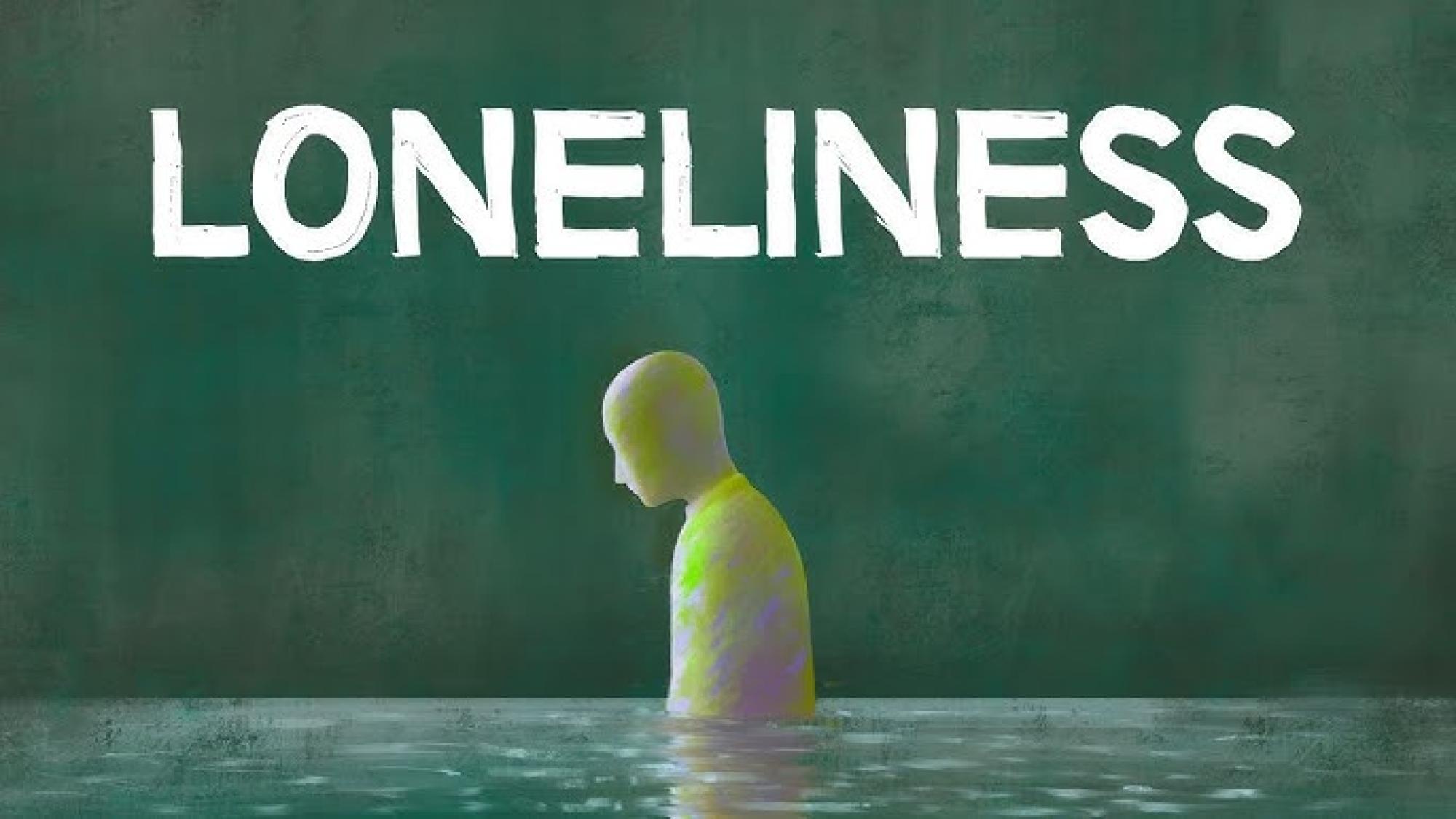
Loneliness not only affects how we feel in the moment but can leave lasting imprints on our personality, physiology, and even the way our brains process the social world. A large study of older adults [found] that persistent loneliness predicted declines in extraversion, agreeableness, and conscientiousness"traits associated with sociability, kindness, and self-discipline. At the same time, higher levels of neuroticism predicted greater loneliness in the future, suggesting a self-reinforcing cycle. Although social media promises connection, a large-scale study published in Personality and Social Psychology Bulletin suggests that it may actually fuel feelings of loneliness over time. Researchers found that both passive (scrolling) and active (posting and commenting) forms of social media use predicted increases in loneliness. Surprisingly, even active engagement"often believed to foster interaction"was associated with growing disconnection. Even more concerning was the feedback loop uncovered in the data: loneliness also predicted increased social media use over time, suggesting that people may turn to these platforms for relief, only to find themselves feeling even more isolated. Lonely individuals also showed greater activation in areas tied to negative emotions, such as the insula and amygdala. This pattern suggests that lonely people may be more sensitive to social threat or negativity, which could contribute to feeling misunderstood or excluded.
Latest
Latest News
Each news summary is created according to strict standards. Here's how we do it.
Each summary is created using a consistent editorial procedure. The target length is approximately 16 lines of 11-point Arial text in a 650-pixel-wide column. Up to 25% of a summary may be set in bold to emphasize the most important ideas. Summaries are composed of verbatim excerpts presented in the same sequence as they appear in the original news source, with very minor editorial additions. Where material has been omitted between excerpts, the omission is indicated with ellipses (...). Any words added by an editor for clarity or context appear in [brackets]. Our original news editor was Fred Burks. Tod Fletcher edited most summaries from 2007 through 2014, and Mark Bailey has served as news editor since 2014.